Hated By Some | Latest Mumbai Mirror Film | 2014 - Ad Analysis

AI Editor notes
Straight from the gut!!
“This is a gutsy, brilliant piece of work. Flipping the perspective to let the villains condemn themselves is a masterstroke. It avoids the preachy tone of many 'purpose-driven' ads and instead lands its point with the force of a punch. The line 'Hated by some. Thankfully.' is just perfect. This is how you build a brand with teeth.”
Quick Summary
This film's core message is that for a newspaper dedicated to uncovering uncomfortable truths, being hated by criminals, the corrupt, and the cruel isn't a liability—it's the ultimate badge of honor and proof of its effectiveness.
Executive Summary
In 2014, Mumbai Mirror and Taproot India faced a classic advertising challenge: how to follow up a massively successful, award-winning campaign? Their previous 'I Am Mumbai' film gave a voice to the victims of the city's systemic failures. For the sequel, 'Hated By Some,' they didn't just repeat the formula; they inverted it. This decision moves the work from merely good to truly great, creating a powerful statement on the role of journalism.
The core insight is profound in its simplicity: a journalist's impact isn't measured by accolades, but by the enemies they make. If you are angering the right people—the corrupt, the criminal, the cruel—you are doing your job. The campaign embraces the hatred of these figures not as a negative consequence, but as the very proof of its success.
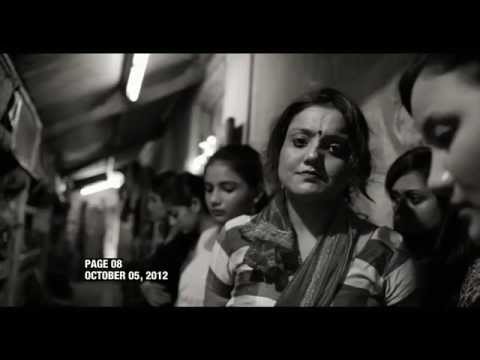
The execution follows a classic Setup-Turn-Payoff structure, deployed with cinematic flair by director Abhinay Deo. The Setup introduces us to a series of aggrieved individuals, shot in gritty, sympathetic black-and-white. A man complains of being beaten, a woman laments over 'girls she raised like daughters,' a doctor sighs that saving lives has become a 'sin.' For a moment, the audience is positioned to feel for them. The Turn is a slow, sickening reveal. Their justifications expose their true nature: the 'beating' was retribution for molestation, the 'daughters' are part of a sex trafficking ring, and the 'life-saving' was an illegal organ harvesting business. The audience's empathy curdles into revulsion. The Payoff is twofold. First, we see these figures facing justice, intercut with a montage of proud citizens declaring 'I Am Mumbai,' powerfully reclaiming the city's identity from those who defile it. Second, the final super: 'Hated by some. Every morning. Thankfully.' This tagline, combined with the image of the newspaper burning, brilliantly reframes the entire narrative. The hatred isn't a problem; it's the point.
The debrief for any brand team watching this is clear. First, true brand purpose isn't about platitudes; it's about proof. Mumbai Mirror didn't just say it was brave; it showed the results of its bravery through the anger of its targets, based on real stories it had published. [5] Second, don't be afraid to make your audience uncomfortable. The emotional journey from sympathy to disgust is jarring but incredibly effective and memorable. Finally, the bravest creative choices often come from inverting the expected narrative. By giving the microphone to the villains, Mumbai Mirror made a more powerful case for itself than any victim's testimony could.
Theme Keywords
Brand Position
The unapologetic, truth-telling conscience of Mumbai.
Brand Archetype
Outlaw
Creative Game Plan
We will prove our journalistic integrity by showing the very people we've exposed complaining about us, turning their hatred into our badge of honor.
Diagnosis: Issues & Solutions
Primary Issue: Emotional Connection
The Problem:
The ad's primary strength is its powerful, if abrasive, emotional arc. The biggest risk was making the antagonists too sympathetic initially, potentially confusing the message or alienating viewers before the 'turn' becomes clear.
The Solution:
The execution deftly avoids this pitfall, but a less skilled director could have failed. The key is ensuring the villains' dialogue contains seeds of their depravity from the very beginning, so the audience's discomfort starts early, even if they can't pinpoint why.
Secondary Issue: Clarity of "What's Next?"
The Problem:
The ad is purely a brand-building piece, lacking any direct call-to-action like 'Buy the paper' or 'Visit our website'. For a campaign focused solely on equity, this is a strength, but a client focused on short-term metrics might see it as a flaw.
The Solution:
No improvement is needed for this specific execution, as its goal is clearly brand positioning. However, for a broader campaign, this film could be the 'air cover' for more direct-response digital ads that drive subscriptions, using the established brand character as a foundation.