Justin Bieber - Calvin Klein Underwear Spring 2015 - Ad Analysis

AI Editor notes
Straight from the gut!!
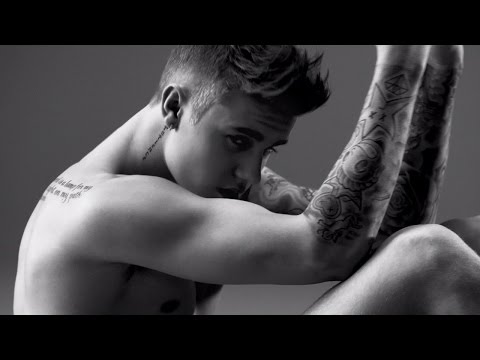
“This feels like a perfect, almost too-obvious play. Take the most talked-about young star on the planet, put him in his underwear, and shoot it in the classic CK style. It's a direct callback to the Marky Mark era. The strategy is so simple it's almost blunt: use raw celebrity power to generate buzz. Is it creative? Not really. Is it effective? Absolutely. They knew exactly what they were doing here.”
Quick Summary
Calvin Klein reignited its cultural relevance by tapping Justin Bieber for its '#mycalvins' campaign, expertly using his controversial, 'bad-boy' persona and massive social reach to provoke conversation and connect with a younger generation. This wasn't just about selling underwear; it was a calculated move to reclaim the brand's iconic, edgy status from the '90s for the social media age.
Executive Summary
The 2015 Calvin Klein campaign featuring Justin Bieber wasn't an attempt at subtle persuasion; it was a masterclass in leveraging celebrity for brand revitalization. At its core, this campaign was built on a simple, powerful insight: in the nascent age of the social media superstar, cultural relevance is currency. By selecting Justin Bieber, a figure at the peak of his fame and notoriety, Calvin Klein wasn't just choosing a model; they were harnessing a cultural phenomenon to inject a bolt of energy into their iconic brand DNA.
The execution is a direct and intentional echo of Calvin Klein's most famous work from the 1990s, particularly the Mark Wahlberg and Kate Moss ads. [10] The creative approach is best understood through the lens of 'Fame, Feeling, and Fluency.' The 'Fame' element is Bieber himself—an instantly recognizable face guaranteed to generate headlines and social media chatter. [9] The 'Feeling' is one of raw, confident, and slightly rebellious sex appeal. This is conveyed through the frantic drumming, the direct-to-camera stares, and the high-contrast, black-and-white visuals that highlight his physique and tattoos. There's no complex story; the feeling is immediate and visceral. 'Fluency' is achieved through the use of established brand codes: the minimalist studio setting, the monochromatic color palette, and, most importantly, the prominent display of the iconic 'Calvin Klein' waistband. The ad is short, rhythmic, and built for repetition on platforms like YouTube and Instagram, making the brand's key assets easily recognizable and memorable.
The debrief from this campaign is a lesson in the power of strategic provocation. The brand understood that the reaction to Bieber would be polarized, but that the volume of the conversation was more important than its sentiment. It proved that legacy brands could successfully tap into modern celebrity culture and social media mechanics to refresh their image for a new generation. [1, 6] The inclusion of the '#mycalvins' hashtag was a clever move, turning a traditional, top-down ad campaign into a participatory event, encouraging consumers to become creators and amplify the brand's message on their own terms. It was a perfectly executed refresh of a classic formula.
Theme Keywords
Brand Position
The original, iconic symbol of effortless, modern sex appeal.
Brand Archetype
The Lover (with elements of the Rebel)
Creative Game Plan
Use a global music icon to reboot our legendary, provocative advertising formula for the social media generation.
Diagnosis: Issues & Solutions
Primary Issue: Emotional Connection
The Problem:
The ad is exceptionally effective at generating buzz but creates little to no lasting emotional bond. Its reliance on celebrity cool and provocation leaves it feeling transactional. The viewer might talk about it, but they don't necessarily feel anything for the brand itself beyond a surface-level association with fame.
The Solution:
Future campaigns could retain the confident aesthetic while weaving in a hint of vulnerability or a more relatable human story. This would add a layer of emotional depth beyond pure aspirational cool, making the brand feel more accessible and less like an exclusive celebrity club.
Secondary Issue: Strategic Sense
The Problem:
The strategy risks being overly reliant on a specific moment in a celebrity's fame cycle. The choice of Bieber was potent in 2015 because of his 'bad boy' transition, but such a strategy has a short shelf-life and can feel dated once the cultural moment passes.
The Solution:
Complement celebrity-driven 'tentpole' campaigns with evergreen content that focuses on the product's intrinsic qualities or timeless stories of confidence. This builds a more resilient brand identity that isn't solely dependent on the fluctuating relevance of a celebrity partner.
Additional Notes
Related Links
Credits
Share this Analysis
More Calvin Klein ad breakdowns
- Cara Delevingne in Calvin Klein | Holiday 2024Calvin Klein
- Calvin Klein Concept 2013 Commercial -- Debuted During the Super BowlCalvin Klein
- UNLOCKED IN #MYCALVINS WITH IRINA SHAYK | CALVIN KLEIN FALL 2019 HANDBAGSCalvin Klein
- Calvin Klein – LoveCalvin Klein Underwear
- Hanes Originals | The Great Softening - Long FormHanes
- Stanfield's Canadian Pride (extended) October 2016Stanfield's Limited
- Bonds OvarianCancer TV30 ONLINEBonds
- Lil' Ol' Granny - Granny Got Pants SS19 (feat. sloggi)sloggi