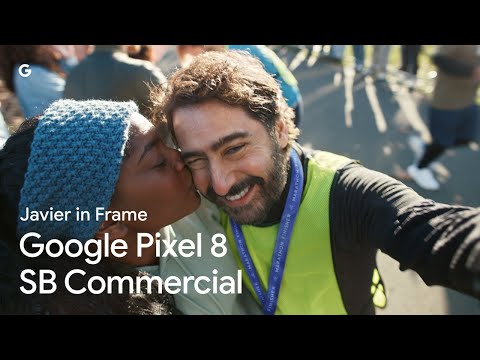
Javier in Frame | Google Pixel SB Commercial 2024 - Ad Analysis

AI Editor notes
Straight from the gut!!
“This is textbook Google at its best. It’s a tear-jerker designed to win the Super Bowl, and it probably did for a lot of people. Using a blind director is a smart, authenticating move that heads off any potential criticism of exploiting a disability for marketing. [3, 7] The blur-to-focus mechanic is a clever way to visualize the product benefit, even if it gets a little repetitive. It’s effective, emotional, and makes the brand look great.”
Quick Summary
This isn't an ad about an accessibility feature; it's a powerful demonstration of Google's core brand promise. It uses a specific piece of technology—Guided Frame—to tell a universal human story, positioning Google's AI not as complex tech, but as a simple, empathetic tool that helps people connect and live fuller lives.
Executive Summary
Google’s “Javier in Frame” is a masterclass in turning a product demonstration into a profound piece of brand storytelling. At its core, the ad operates on a simple, yet powerful, human insight: the desire to capture our lives is universal, but for people with disabilities, technology can often be a barrier instead of an enabler. Google positions its Pixel phone not just as a device, but as a bridge over that barrier. The ad follows a clear Problem-Solution narrative structure, made effective through its unique creative execution.
The setup immediately establishes the problem with a direct title card and a disorienting, blurry visual style. [7] We are literally placed in the shoes of Javier, a man with low vision, experiencing the world as he does. This creative choice is the ad's strongest element. It builds empathy instantly. The audio from the AI-powered Guided Frame, clean and clear against the fuzzy visuals, introduces the solution. The payoff comes in the recurring transition from Javier's blurry point-of-view to the sharp, perfectly composed photos he is able to take. Each photo represents a victory—a moment of connection captured that might otherwise have been missed. The montage effectively demonstrates the feature's capability to recognize not just one face, but also pets and multiple people, building the product case organically within the emotional narrative. [10]
The emotional arc crescendos with the birth of Javier’s child. Here, the technology facilitates the capture of one of life's most significant moments. When the AI voice announces “Three faces in frame,” the line carries immense emotional weight. The final tagline, “Capture life, no matter how you experience it,” solidifies the campaign's central theme. The decision to hire Adam Morse, a blind director, lends the entire project an unassailable authenticity that elevates it beyond typical corporate storytelling into something that feels genuinely considered and respectful. [3, 12] The debrief for any brand watching is clear: the most effective way to showcase a technological feature is to ground it in a fundamental human need. Don't sell the 'what' (AI-powered framing); sell the 'why' (so you never miss a moment).
Theme Keywords
Brand Position
The most helpful, human-centric, and accessible smartphone.
Brand Archetype
The Sage and Caregiver.
Creative Game Plan
Demonstrate how Google's AI makes photography accessible to the blind and visually impaired by telling one man's emotional life story through the photos he's finally able to take himself.
Diagnosis: Issues & Solutions
Primary Issue: Strategic Sense
The Problem:
The ad is so successful at building goodwill for the master brand, Google, that it may underperform in driving specific consideration for the Pixel phone. Viewers leave feeling warm towards Google's innovation and values, but the connection to 'buy a Pixel' might be secondary to the broader 'Google is good' message.
The Solution:
To improve hardware attribution, future ads could create a more distinct and memorable sensory cue—like a unique sound or animation—that is inextricably linked to the Pixel device itself, reinforcing the hardware's role in delivering the magical experience.
Secondary Issue: Emotional Connection
The Problem:
While highly emotional, the life-story montage (meeting, moving in, having a baby) is a very conventional narrative arc in advertising. It's a proven formula, but it trades a degree of originality for its universal appeal.
The Solution:
A future iteration could explore a less-trodden story. By focusing on how Guided Frame unlocks a unique personal passion, a specific career, or a non-traditional family moment, the ad could achieve the same emotional depth while feeling more surprising and distinctive.
Additional Notes
Related Links
Credits
Share this Analysis
More Google Pixel ad breakdowns
- Google Pixel 10 | SoonGoogle Pixel
- Google Pixel: Made for the Beautiful Chaos (France)Google Pixel
- #BestPhonesForever: CoachellaGoogle Pixel
- #BestPhonesForever: That's A WrapGoogle Pixel
- #BestPhonesForever: Circling AroundGoogle Pixel
- Google Pixel Presents: Minty Refresh With @itsalivingGoogle Pixel
- #BestPhonesForever: Pass the BatonGoogle Pixel
- #BestPhonesForever: The Break UpGoogle Pixel