Google Pixel Presents: Minty Refresh With @itsaliving - Ad Analysis

AI Editor notes
Straight from the gut!!
“Okay, this is a classic 'borrowed equity' play. Can't sell a color? Sell a vibe. Partner with a cool, authentic creator and hope their coolness rubs off. It's a bit predictable—every tech brand does this. Still, the execution is solid. The idea of painting *over* their own ads is a nice little twist that feels smart and slightly disruptive.”
Quick Summary
To launch a new phone color, Google bypassed a typical product ad and instead filmed a mini-documentary with a street artist, effectively borrowing his creative credibility to give the 'Mint' color a story and a soul. The strategy is to sell the phone not on specs, but as a lifestyle accessory aligned with creativity and authenticity.
Executive Summary
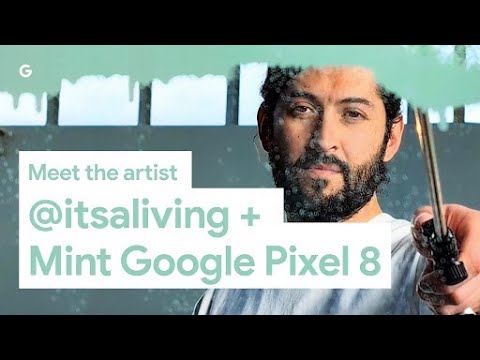
This piece from Google Pixel is a smart, contemporary example of how to market a minor update—in this case, just a new color—as a significant cultural event. Instead of a traditional ad, Google and their production partner Bespoke Digital opted for a short-form documentary, a format that thrives on social media platforms by feeling more like content and less like a commercial. [1]
The Core Insight here is that for many consumers, especially in a saturated smartphone market, the device's color is a primary form of self-expression. It’s a style choice as much as a tech choice. Google understands that to sell a color, you need to sell the story and feeling behind it. They're not just selling a mint green phone; they're selling creativity, authenticity, and a philosophy.
The execution follows a clean 'Behind-the-Scenes' narrative. It opens with a strong visual hook: close-ups of mint green paint being mixed and rolled, set to an energetic, rhythmic soundtrack. This is pure sensory bait. The ad then introduces the protagonist, street artist Ricardo Gonzalez (@itsaliving), who immediately establishes his credibility and his personal philosophy: 'do what you love'. By casting a real artist, Google grounds the campaign in authenticity. The central 'Turn' of the ad is the reveal that Google has commissioned him to paint over their existing billboards. This is a clever strategic move. It positions Google not as a faceless corporation, but as a patron of the arts that's confident enough to play with its own image. The Payoff is the seamless connection between the artist's work, his philosophy, the mint green color, and finally, the Pixel 8 itself. The brief, understated mention of the camera's quality serves as a subtle product demo without breaking the documentary feel.
The Debrief for the marketing team is that this playbook works. When launching an aesthetic-focused product, partnering with a credible cultural figure is an effective way to transfer their 'cool factor' and story directly onto the product. This approach generates more authentic engagement than a simple product showcase. It turns a hardware update into a piece of shareable, culturally relevant content. The campaign extended beyond this video to a live mural event and custom merchandise, showing a well-integrated strategy. [1]
Theme Keywords
Brand Position
The smart, creative, and authentic choice in smartphones.
Brand Archetype
The Creator
Creative Game Plan
Lend cultural legitimacy to a new product color by framing its launch through the eyes and work of an authentic street artist.
Diagnosis: Issues & Solutions
Primary Issue: Strategic Sense
The Problem:
The 'brand x artist collaboration' is an overused trope in modern marketing, especially in tech and fashion. While the execution here is high-quality, the core concept risks being perceived as generic and getting lost in a sea of similar content from competitors like Apple and Adobe.
The Solution:
To break the pattern, the collaboration needs a deeper, more innovative link to the product's technology. Imagine if the artist had used the Pixel's AI features to generate the patterns he painted, or used Magic Editor to conceptualize the mural in real-time. This would have transformed the ad from 'artist uses our color' to 'artist uses our tech to create,' making the strategic link to Google's core strengths much stronger.
Secondary Issue: Clarity of "What's Next?"
The Problem:
The video does a great job of building interest and positive brand association but is weak in directing viewer action. It relies entirely on a link in the YouTube description, with no verbal or strong visual call-to-action at the end of the video itself.
The Solution:
A simple text overlay in the final 5 seconds saying 'The Mint Pixel 8. Shop the color now.' or a voiceover from the artist saying 'See the new color at the Google Store' would provide a clearer, more powerful nudge toward conversion without compromising the ad's authentic tone.
Additional Notes
Related Links
Credits
Share this Analysis
More Google Pixel ad breakdowns
- Google Pixel 10 | SoonGoogle Pixel
- Google Pixel: Made for the Beautiful Chaos (France)Google Pixel
- #BestPhonesForever: CoachellaGoogle Pixel
- #BestPhonesForever: That's A WrapGoogle Pixel
- #BestPhonesForever: Circling AroundGoogle Pixel
- Javier in Frame | Google Pixel SB Commercial 2024Google Pixel
- #BestPhonesForever: Pass the BatonGoogle Pixel
- #BestPhonesForever: The Break UpGoogle Pixel