It’s Your Life. Until you share it. Story 3 - Ad Analysis

AI Editor notes
Straight from the gut!!
“This is genuinely chilling. The slow, methodical monologue from the predator's POV is a smart, disturbing choice. It's not a lecture; it's a horror film in 80 seconds. It makes you physically uncomfortable, which is exactly the point. The final reveal—that this is based on a true story—is a gut punch. This is how you make a PSA that people actually remember and talk about.”
Quick Summary
This ad powerfully demonstrates that the seemingly innocent details we share online create a breadcrumb trail that can lead real-world danger right to our door. By dramatizing a true story from the predator's point of view, it transforms the abstract concept of 'online risk' into a tangible, terrifying threat, making the message to '#PostWisely' unforgettable.
Executive Summary
This ad from du isn't just a commercial; it's a short-form psychological thriller. Operating as a public service announcement, its primary function is to serve as a stark warning about the perils of online oversharing. The piece eschews typical advertising techniques for a narrative approach that prioritizes atmosphere and tension, making its social message far more potent than a simple informational campaign.
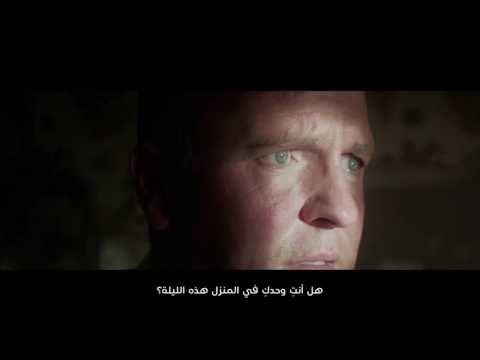
The creative strategy hinges on a single, powerful device: perspective. By placing the viewer in the predator's world and forcing us to listen to his methodical, creepy monologue, the ad makes the danger feel immediate and personal. We aren't told that a predator is gathering information; we are watching him do it in real-time. The mundane setting—a cluttered, dimly lit apartment—grounds the horror in reality. This isn't a monster from a movie; it's an ordinary man whose weapon is the target's own social media feed.
The execution follows a classic Setup-Turn-Payoff structure. The Setup is the one-sided conversation. We hear a man making comments that are slightly too personal ('My mum would never let me wear a dress like that'), establishing a sense of unease. The Turn occurs as his comments become more specific and targeted—he knows her school, her age, and asks if she's home alone. The tension escalates dramatically. The Payoff is twofold and devastating. First, the camera reveals the source of his information in the reflection of his eye: a public social media profile. This is the crucial link between the victim's actions and the predator's intent. The second payoff is the stark, silent text on screen: 'Based on a true story. A 14 year old girl was murdered after posting #Homealone on social media.' This final element elevates the ad from a cautionary tale to a memorial, grounding the cinematic horror in unbearable fact.
The debrief for any team watching this is clear: emotional truth, delivered through powerful storytelling, is more effective than any list of safety tips. The ad doesn't tell you to be scared; it makes you feel scared. For a brand like du, whose business is connecting people, this campaign is a smart, responsible counter-narrative. It acknowledges the inherent risks of the digital world it helps build and positions the brand not just as a provider, but as a protector. It's a masterclass in how to tackle a sensitive subject with gravity and impact.
Theme Keywords
Brand Position
The responsible digital citizen's choice.
Brand Archetype
Caregiver
Creative Game Plan
Dramatize the chilling perspective of an online predator to make the abstract danger of oversharing feel terrifyingly real.
Diagnosis: Issues & Solutions
Primary Issue: Clarity of "What's Next?"
The Problem:
The campaign's call to action, '#PostWisely,' is a memorable tagline but a weak directive. After successfully generating intense fear and a desire to act, the ad fails to channel that energy into a specific, helpful action. Viewers are left with anxiety but no immediate, tangible solution offered by the brand.
The Solution:
Accompany the hashtag with a URL (e.g., du.ae/PostWisely) that leads to a resource hub. This hub should offer simple, actionable guides on how to check and strengthen privacy settings on major social platforms, tips for talking to teens about online safety, and links to support organizations.
Secondary Issue: Strategic Sense
The Problem:
The ad's power comes from its basis in a true story, but it relies on the final text card to deliver this punch. The connection could feel slightly disconnected from the du brand itself, which only appears after the emotional climax.
The Solution:
Integrate the brand more subtly within the solution. For instance, the resource hub could feature tools or partnerships offered by du to enhance online safety, making the brand an active part of the solution, not just the messenger of the problem.
Additional Notes
Related Links
Credits
Share this Analysis
More du ad breakdowns
- du: Two for one - Too Sillydu
- Too Boring - du Tuesdaydu
- Look Behind YouVerizon
- Virgin Mobile Campaign keeps it simple and bets on good vibes themeVirgin Mobile
- Meet India's most unique auto driver | Fast & Curious | Ep. 1Airtel
- Good restaurant or Good Wi-Fi? – Get Airtel International Roaming!Airtel
- Airtel Platinum Postpaid | Upgrade to the Platinum LifeAirtel
- Shahrukh convinces Salman to port his number. Watch Salman react.Jio