du: Two for one - Too Silly - Ad Analysis

AI Editor notes
Straight from the gut!!
“This is a solid, clever piece of work. The bait-and-switch from the cheesy 70s film to the lone viewer in the cinema is a classic structure, but the execution of the parody is what makes it work so well. It's a long walk for the punchline at 40 seconds, which is risky for online viewing, but it's perfect for its likely intended placement: a cinema pre-roll, where the audience is captive and in the right mindset.”
Quick Summary
This ad sells a simple 'buy one, get one free' movie ticket offer by creating a pitch-perfect, hilariously awful B-movie parody. It lands the core insight that some experiences, especially the silly ones, are fundamentally better when they're shared, making the 2-for-1 deal feel less like a discount and more like an essential part of the fun.
Executive Summary
The du 'Too Silly' ad is a textbook example of how to make a simple sales promotion feel like entertainment. Instead of just announcing a deal, the campaign wraps its '2-for-1 tickets' offer inside a compelling piece of content—a strategy that respects the audience's intelligence and earns their attention. The core insight is potent in its simplicity: the joy of watching a truly terrible, 'so-bad-it's-good' movie is a communal experience. The laughter is better when shared. The ad brilliantly leverages this human truth to give its promotional offer an emotional purpose.
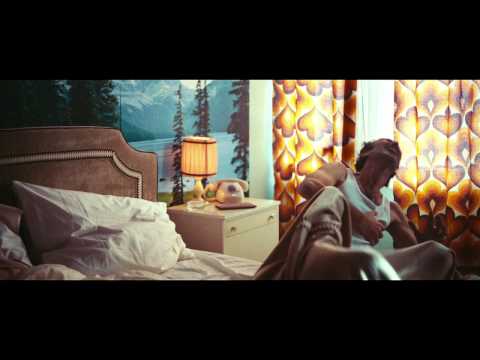
The execution follows a classic Setup-Turn-Payoff structure. The 'Setup' is nearly 40 seconds long, a bold choice that commits fully to creating a pitch-perfect parody of a 70s-era, poorly-dubbed European crime film. Every detail, from the wood-paneled motel decor and rotary phone to the grainy film quality and over-the-top acting, is meticulously crafted. This long setup builds a world and draws the viewer in, making them wonder what they're watching. The 'Turn' arrives at 0:41, with a sudden cut to a young man watching this film alone in a cinema, a smile of amusement on his face. This single shot reframes the entire preceding narrative as a film-within-a-film. The 'Payoff' is delivered through text on screen: 'Some films are too SILLY to watch alone.' This line connects the setup to the insight, and is immediately followed by the offer: 'With du Tuesday get TWO TICKETS for the price of one.' The structure works because the parody is entertaining in its own right, making the final brand message feel like a satisfying conclusion rather than an unwelcome interruption.
The key takeaway for the brand and agency is the power of the 'Trojan Horse' creative strategy. By hiding the sales message within a genuinely funny and well-crafted piece of content, they transformed a standard BOGO (Buy One Get One) offer into a highly decorated and memorable campaign. [2] It demonstrates that to sell a service tied to an experience (like movies), you don't need to show the service itself (a phone); you need to sell the emotional benefit of the experience it enables (sharing a laugh with a friend).
Theme Keywords
Brand Position
The telecom brand that adds value to your social life.
Brand Archetype
The Jester
Creative Game Plan
Illustrate the value of a shared experience by creating a movie parody so absurd that it proves some things are just too silly to enjoy alone.
Diagnosis: Issues & Solutions
Primary Issue: Strategic Sense
The Problem:
The ad's effectiveness is highly dependent on its viewing context. Its 40-second, unbranded setup is perfect for a captive cinema audience but is a significant risk on skippable digital platforms like YouTube, where branding is delayed until the final moments.
The Solution:
For digital placements, create a 6-second or 15-second version that establishes the 'movie-in-a-movie' concept much faster. Start with the shot of the lone viewer, intercut with the silliest moments of the parody, and deliver the offer quickly to avoid the skip button.
Secondary Issue: Emotional Connection
The Problem:
The emotional benefit of the offer—sharing the experience with a friend—is implied by the tagline but not visually paid off. The protagonist remains alone throughout the ad, leaving the core emotional reward to the viewer's imagination.
The Solution:
Add a final shot after the offer reveal, showing the protagonist now sitting with a friend, both laughing at the screen. This would visually confirm the 'better together' premise and make the emotional benefit more explicit and satisfying.
Additional Notes
Credits
Share this Analysis
More du ad breakdowns
- It’s Your Life. Until you share it. Story 3du
- Too Boring - du Tuesdaydu
- Look Behind YouVerizon
- Virgin Mobile Campaign keeps it simple and bets on good vibes themeVirgin Mobile
- Meet India's most unique auto driver | Fast & Curious | Ep. 1Airtel
- Good restaurant or Good Wi-Fi? – Get Airtel International Roaming!Airtel
- Airtel Platinum Postpaid | Upgrade to the Platinum LifeAirtel
- Shahrukh convinces Salman to port his number. Watch Salman react.Jio