Intermarché I Je Désire Être avec Vous (VA) - Ad Analysis

AI Editor notes
Straight from the gut!!
“This is brave. Really brave. At a time when other brands were making noisy ads about 'being in this together' with user-generated content or cheesy Zoom calls, Intermarché did the opposite. They embraced the silence and the loneliness. Using only empty rooms and a haunting Nina Simone track is a confident, mature move. It respects the audience's intelligence and their real feelings, making the final promise of a shared meal feel earned, not opportunistic.”
Quick Summary
By showing nothing but empty doorways, Intermarché and Romance created a powerful film that perfectly captured the collective feeling of lockdown—separation and a deep desire for reunion—and brilliantly positioned the brand as the quiet enabler of the moment that matters most: the first meal back together.
Executive Summary
Intermarché's 'Je Désire Être avec Vous' is a masterclass in strategic restraint and emotional intelligence. Released in May 2020, as France was emerging from its first major COVID-19 lockdown, the ad had the difficult task of speaking to a nation grappling with isolation and uncertainty. Instead of offering platitudes or showing idealized scenes of connection, the agency, Romance, made the daring choice to focus on the emptiness itself.
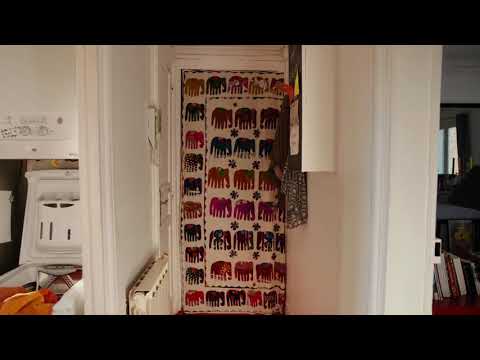
The core insight is simple yet profound: in the absence of human contact, we don't just miss big events; we ache for the simple, fundamental ritual of sharing a meal. The ad is built on this singular truth. The execution uses a simple but incredibly effective structure. It opens with a powerful hook: the haunting, repetitive lyrics of Nina Simone's 'Je suis seule mais je désire être avec vous' ('I am alone, but I desire to be with you'). This immediately sets a tone of melancholy and longing. The subsequent montage of empty entryways and front doors serves as the emotional core of the film. Each door, from a city apartment to a country house, acts as a portrait of a family in isolation, creating a powerful sense of a shared national experience. The pacing is deliberate, allowing the viewer's own feelings of separation to resonate with the images on screen. This isn't just showing an empty room; it's holding up a mirror to the entire country's experience. The climax is the turning point from isolation to hope. The music stops, replaced by the sounds of nature, and a visitor arrives. The final on-screen text—'At last. We'll be there the day you'll organize that first dinner'—serves as the payoff. It's not a call to buy groceries tomorrow; it's a patient promise. It positions Intermarché not as a mere retailer, but as an essential partner in the moment of joyful reunion that everyone was dreaming of.
The key lesson from this work is the power of subtraction. By removing people, products, and dialogue, the message became stronger. It demonstrates that a brand doesn't always need to provide the solution in its advertising. Sometimes, the most powerful thing it can do is show it understands the problem, deeply and sincerely. This ad didn't sell groceries; it sold empathy, and in doing so, built a level of brand equity that a dozen promotional flyers could never achieve. [12]
Theme Keywords
Brand Position
The supermarket that understands and facilitates the emotional moments that make life meaningful.
Brand Archetype
Caregiver
Creative Game Plan
Capture the universal feeling of lockdown loneliness to promise that Intermarché will be there to facilitate the joyful reunion dinners that will follow.
Diagnosis: Issues & Solutions
Primary Issue: Strategic Sense
The Problem:
The ad's effectiveness is heavily reliant on the viewer being familiar with Intermarché's established brand platform of emotional, cinematic storytelling. For an audience unfamiliar with their previous award-winning campaigns like 'L'amour L'amour', the connection might feel less potent until the final logo reveal.
The Solution:
Incorporate a subtle, recurring visual motif or 'easter egg' from the previous campaigns into one of the empty rooms. This would reward loyal viewers and strengthen the 'saga' narrative without distracting from the core message of this specific film.
Secondary Issue: Clarity of "What's Next?"
The Problem:
The call to action is purely emotional and long-term, which was strategically sound for the moment. However, it completely forgoes any immediate transactional opportunity, such as promoting their delivery services, which were highly relevant during the pandemic.
The Solution:
A slightly modified end card for digital placements could have added a single, unobtrusive line like 'Until then, we deliver to your door.' This would have preserved the film's artistic integrity while providing a practical, immediate next step for interested customers.
Additional Notes
Related Links
Credits
Share this Analysis
More Intermarché ad breakdowns
- Intermarché I Je T'aime Trop (VA)Intermarché
- Intermarché - Le Mal-Aimé (The Unloved)Intermarché
- BILLA - TURN TRASH INTO CASH (EN)BILLA
- SMART HOUSE – ENGLISH VERSION – REMA 1000REMA 1000
- Be Super Ready For Summer With LidlLidl
- IGA, at your service!IGA
- Tesco | Aldi Price Match | Can't Argue with ThatTesco
- Get the Asda Price Feeling this Easter with AsdaAsda