Honda - The Centaur - Ad Analysis

AI Editor notes
Straight from the gut!!
“This is heavy. It's got a dark, poetic, almost menacing tone for a motorcycle ad. Are they selling bikes or an existential struggle? It feels more like a Guinness or a Nike spot than something from an automotive brand. It's beautiful, but I wonder if the average weekend rider feels this level of inner turmoil before hitting the trail.”
Quick Summary
This ad brilliantly equates the grueling ordeal of the Enduropale race with a mythic battle, positioning Honda not just as a machine, but as the other half of a modern-day Centaur—a perfect fusion of man and machine required to conquer fear itself. It's not selling a motorcycle; it's selling the transcendence of human limits, with Honda as the essential catalyst.
Executive Summary
Honda's 'The Centaur' isn't just an ad; it's a two-minute piece of cinematic folklore. It elevates a product—a motorcycle—into a mythological partner. The film was created for Honda's French motorcycle division to pay homage to the riders of the Enduropale du Touquet, a notoriously brutal beach race. Instead of focusing on speed, specs, or shiny features, the ad dives deep into the psychology of endurance, making this a powerful piece of brand storytelling.
The core insight is a profound human truth: true courage isn't the absence of fear, but the act of facing it down and becoming something stronger than it. The ad understands that for these riders, the internal battle is just as significant as the physical race. Honda positions its machine not as a tool, but as an integral part of the rider's transformation into a being capable of confronting that fear.
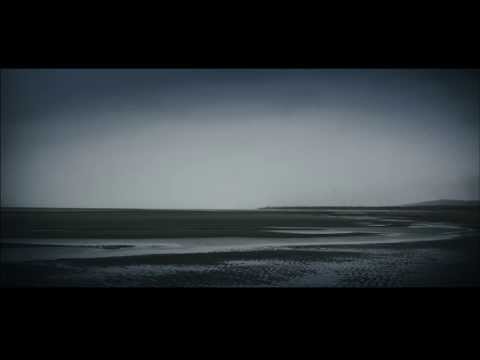
The execution follows a classic Setup-Turn-Payoff structure. The first act sets up fear as an antagonist, a 'monster' lurking in a desolate, somber landscape. The gravelly voiceover and bleak visuals create an oppressive atmosphere of dread. The 'Turn' happens at the 45-second mark with the question, 'Who knows no fear?'. The focus shifts from the monster to the rider and machine. The script cleverly suggests the bike itself is the key, the 'she' that is 'colder than fear.' This is where the central metaphor is born: the rider and bike must merge to become a 'centaur.' The Payoff is the cathartic release of the race itself. The rider, now fused with the machine, declares, 'Fear is a monster. I am a monster.' It’s a powerful conclusion: you don't run from your demons; you become a bigger, badder demon. The final shots of hundreds of riders charging down the beach, a horde of modern centaurs, provide an epic sense of scale and shared struggle, all under the banner of Honda.
The debrief for the creative team would be a positive one. This film successfully created a powerful and ownable myth for Honda in the demanding world of enduro racing. It moved the conversation from engineering to emotion, from product features to human spirit. The decision to use a dark, poetic tone was a risk that paid off, setting Honda apart from competitors' more conventional high-octane advertising. It's a textbook example of how to build a brand by sponsoring an event and telling its innermost story, rather than just putting logos on banners.
Theme Keywords
Brand Position
Honda is the essential, reliable partner that fuses with you to conquer your ultimate challenge.
Brand Archetype
The Hero
Creative Game Plan
Transform the motorcycle and rider into a single, mythological hero—The Centaur—to dramatize the inner battle against fear that defines endurance racing.
Diagnosis: Issues & Solutions
Primary Issue: Strategic Sense
The Problem:
The ad's intense, almost intimidating focus on the elite, grueling nature of the Enduropale risks alienating the much larger market of casual or weekend riders who might find the 'monster' narrative unrelatable to their own experience.
The Solution:
Complement this epic brand film with a series of shorter, more accessible social assets that show how the same engineering spirit and reliability ('conquering the monster') translates to making a weekend trail ride more enjoyable and worry-free.
Secondary Issue: Clarity of "What's Next?"
The Problem:
The call to action is purely emotional and brand-level ('Follow us'). It doesn't give the inspired viewer a clear next step to engage further with the brand or its products in this category.
The Solution:
The end card could be more effective by including a specific URL (e.g., honda.fr/enduropale) that leads to a landing page with stories from the race, information on the CRF line of bikes, and behind-the-scenes content from the film.