Havas London - Optrex - Actimist (April 2018) - Ad Analysis

AI Editor notes
Straight from the gut!!
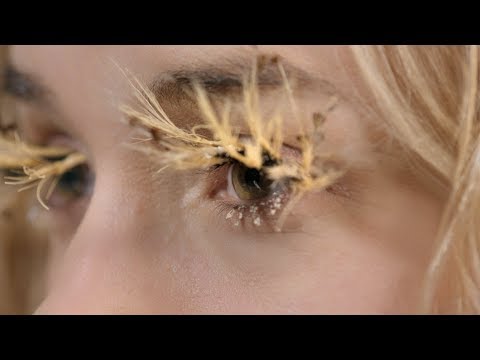
“It's a classic pharma ad. The plant-eyelash visual is clever and gets the point across instantly, but it’s also a little off-putting. It’s a very direct, no-frills approach. It does the job of communicating the problem and solution in under 20 seconds, which is efficient, but it has all the charm of a medical diagram. Effective, but forgettable.”
Quick Summary
This ad's effectiveness hinges on a single, striking visual metaphor: replacing human eyelashes with the actual pollen and plants that cause hay fever. This creative choice makes the invisible misery of seasonal allergies tangible and slightly grotesque, creating a memorable problem that the product then neatly and quickly solves.
Executive Summary
In the world of pharmaceutical advertising, clarity often trumps creativity. This Optrex campaign from Havas London is a prime example of that principle, built on a classic Problem-Solution framework that's executed with clinical precision. Its strategic goal isn't to be loved, but to be understood instantly by a very specific audience at a very specific time: hay fever sufferers at the start of spring. [3]
The Core Insight is the simple human truth that for millions, the beauty of spring is overshadowed by the invisible, internal misery of allergies. It's a frustrating, distracting, and isolating feeling. The ad's primary achievement is making this invisible feeling visible.
The Execution follows a tight Problem-Solution structure, perfectly suited for its 20-second runtime. The Problem is established immediately with a surreal and arresting visual metaphor: people whose eyelashes have been replaced by the very things causing their suffering—pollen, grass, flower parts. [3] This isn't just a dramatization; it's a visceral interpretation of the feeling that nature itself is physically attacking your eyes. It's a powerful hook that is both strange and instantly relatable to the target audience. The Solution is presented with equal directness. A woman calmly retrieves the Optrex ActiMist spray from her bag—a key detail suggesting on-the-go convenience—and applies it to her closed eyelids. The ad briefly explains the mechanism ('repairs the eye's lipid layer'), adding a touch of scientific credibility. The Payoff is swift and clear. The 'Later on' title card leads to a shot of the same woman, now comfortable and smiling subtly. Her eyes are clear, and the tagline, 'Open your eyes to spring,' elegantly summarizes the ultimate benefit: the freedom to enjoy the season without suffering.
The Debrief for the team would be that a powerful visual metaphor can do the heavy lifting for an entire campaign. The plant-eyelashes concept is the only truly creative element here, but it's so effective at communicating the problem that the rest of the ad can afford to be simple and direct. This spot demonstrates that for a functional product with a clear seasonal use-case, a memorable dramatization of the problem is often more effective than a complex emotional narrative. It's a reminder that sometimes, the best strategy is to simply be the clearest solution to a well-defined problem.
Theme Keywords
Brand Position
The expert, scientifically-proven solution for everyday eye irritation.
Brand Archetype
The Sage / Caregiver
Creative Game Plan
Make the invisible misery of hay fever unforgettably visible to position our convenient spray as the fastest, simplest solution.
Diagnosis: Issues & Solutions
Primary Issue: Emotional Connection
The Problem:
The ad successfully conveys relief from a physical problem, but the emotional payoff is muted. The 'after' shot shows a woman looking placidly comfortable, which is a missed opportunity to show her actively *enjoying* the spring she has reclaimed.
The Solution:
Instead of a simple portrait shot for the resolution, show the character genuinely engaging in a spring activity she couldn't before—laughing with friends at a picnic, for example. Connect the product's relief to a tangible, joyful human experience.
Secondary Issue: Strategic Sense
The Problem:
The ad is strategically sound but creatively safe, adhering strictly to category conventions. While the visual is unique, the overall format feels like every other pharma ad, potentially limiting its ability to break through the clutter beyond its core audience.
The Solution:
Introduce a small element of wit or humor. Could the characters with plant-eyelashes interact in a slightly comedic way, acknowledging the absurdity of their situation before finding relief? A touch of personality could make the brand more likable and distinct.