Get Out of Deep Water | Write Better, Faster, and Clearer With Grammarly - Ad Analysis

AI Editor notes
Straight from the gut!!
“This is smart, well-executed work. The flooded office is a strong, sticky visual that I won't forget. It's relatable without being boring. The runtime is a bit long for a casual viewer, but the central gag is compelling enough to keep you watching. It perfectly balances a product demo with genuinely funny storytelling. It feels like an ad made by people who actually understand the internet.”
Quick Summary
This ad succeeds by turning a universal workplace anxiety—the feeling of being 'underwater'—into a literal, high-concept visual metaphor. It powerfully lands the message that Grammarly is not just a grammar checker, but an indispensable tool for staying afloat and in control of your work, making the abstract benefit of 'better communication' feel like a tangible rescue.
Executive Summary
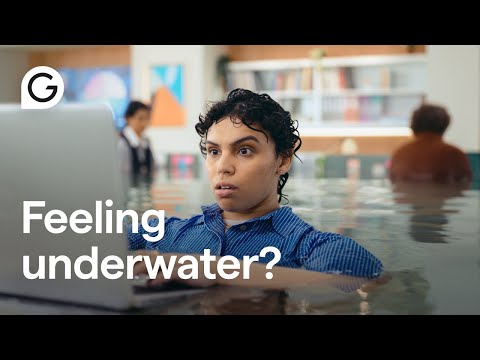
Grammarly's 'Get Out of Deep Water' ad is a sharp piece of strategic communication that understands a fundamental rule: the best way to sell a solution is to first make the audience feel the problem. The campaign is built on a simple, universal insight: the modern knowledge worker is drowning in a sea of emails, messages, and documents. Instead of just saying it, the ad shows it, translating the corporate idiom 'I'm underwater' into a vivid, surreal, and deeply funny reality.
The execution follows a classic Problem-Solution structure, amplified by a clear narrative arc. The Setup immediately establishes the central metaphor: an office literally flooded with water, where employees treat the absurd situation as a mundane inconvenience. This visual gag is the ad's hook, instantly grabbing attention and making the feeling of professional overwhelm tangible. The dialogue, with lines like 'I'm already so pruney,' grounds the surrealism in relatable workplace chatter, making the concept work. The Turn occurs when a colleague introduces Grammarly as the fix. The ad then smartly pivots into a product demo, but one that's seamlessly integrated into the story. We see the AI rewriting messages for a confident tone, simplifying jargon, and identifying missing information in a proposal—all while the characters interact and advance the plot. Each use of the product feels like a step toward salvation. The Payoff is both dramatic and satisfying. Upon resubmitting the Grammarly-improved proposal and getting instant approval, the lead character triumphantly declares they'll 'never be underwater again,' and the floodwaters magically recede. This moment provides a powerful visual catharsis, directly linking the product to the resolution of the initial overwhelming problem. The final celebratory dance reinforces the feeling of joyful relief.
The key lesson from this campaign is how to execute a product demo without creating a boring tutorial. By wrapping the feature walkthroughs inside a compelling, humorous narrative, Grammarly makes its value proposition entertaining. The audience learns what the product does in the context of solving a problem they've just been made to feel acutely. The ad isn't just selling features; it's selling the feeling of control, clarity, and ultimate relief from the daily deluge of digital communication. It's a solid strategy that respects the viewer's intelligence while clearly landing its message.
Theme Keywords
Brand Position
The indispensable AI partner that empowers you to communicate with confidence and efficiency, saving you from the overwhelm of modern work.
Brand Archetype
The Magician
Creative Game Plan
Visually dramatize the common workplace phrase 'I'm underwater' to create a memorable, relatable metaphor for the problem that our product solves.
Diagnosis: Issues & Solutions
Primary Issue: Strategic Sense
The Problem:
The ad's 1:39 runtime is its biggest liability in a digital environment. While the story is engaging, it demands significant viewer commitment and may suffer from high drop-off rates in contexts like YouTube pre-roll, potentially losing a large portion of the audience before the key payoff and CTA.
The Solution:
Develop a suite of shorter, 15- and 30-second cuts. Each short ad should focus on resolving a single, specific pain point shown in the long-form version (e.g., one ad about 'sounding confident,' another about 'removing jargon') to ensure the core message is delivered quickly and effectively across different platforms.
Secondary Issue: Clarity of "What's Next?"
The Problem:
The primary call to action is to 'Download for free,' but the ad showcases a range of features (tone adjustment, clarity rewrites) that feel like premium offerings. This might create a slight disconnect for new users who download the free version and find that the most powerful tools shown are behind a paywall.
The Solution:
Subtly differentiate the free vs. premium features within the ad itself, perhaps with a small visual cue or a line of dialogue. Alternatively, the CTA could be adjusted to 'Try Grammarly's AI features' to better set expectations about the full product suite.
Additional Notes
Related Links
Credits
Share this Analysis
More Grammarly ad breakdowns
- Save Hours a Day With GrammarlyGrammarly
- Communicate Effectively Every Time | Do Your best Work With GrammarlyGrammarly
- Blow Your Workload Out of the Water | Find Your Flow With GrammarlyGrammarly
- Get IT-Approved AI for your Team | Grammarly for BusinessGrammarly
- Words That Work | Communicate Clearly With GrammarlyGrammarly
- Write A Winning Essay | Better Grades With GrammarlyGrammarly
- Write With Clarity and Confidence | Do Your Best Work With GrammarlyGrammarly
- Write in a Few Clicks, Not a Few Hours | Grammarly for BusinessGrammarly