From 5-star chef to feeding millions of those in need | Rakho Iraade Fresh - Ad Analysis

AI Editor notes
Straight from the gut!!
“So, we're selling cooking oil by telling a story about food waste and charity. It's a well-trodden path. The execution is solid, but the connection feels a bit forced. Does using Simply Fresh oil really equate to this level of social good? It feels like they're borrowing a powerful true story to give a generic product some much-needed soul. I'm left wondering if the average consumer will connect the dots or just remember the nice story and forget the oil.”
Quick Summary
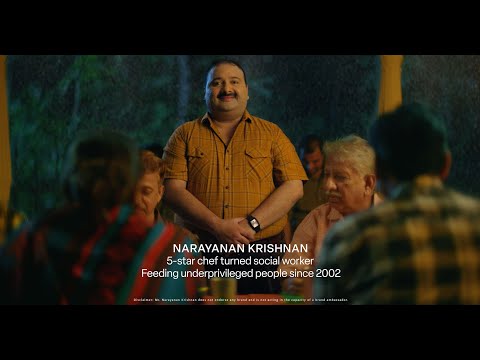
This ad successfully links the brand's name, 'Simply Fresh,' to a higher-order emotional concept: 'fresh intentions.' By dramatizing the true story of chef Narayanan Krishnan, who repurposes 'imperfect' food for the needy, the brand aligns itself with purpose, compassion, and the idea that true quality isn't about superficial perfection. It's a clever attempt to build brand equity in a commoditized category by owning an emotion rather than just a functional benefit.
Executive Summary
In the crowded and largely undifferentiated cooking oil market, Simply Fresh makes a strategic move to stand apart not on product features, but on purpose. The 'Rakho Iraade Fresh' campaign is a textbook example of brand storytelling, using a real-life hero's journey to imbue the product with a deeper meaning. The ad avoids talking about purity, health benefits, or taste—the category's common battlegrounds. Instead, it focuses on building an emotional surplus for the brand by linking it to the powerful themes of compassion and eliminating food waste.
The core insight is potent: true value isn't in superficial perfection, but in the goodness within. This is cleverly externalized through the narrative of the cosmetically imperfect vegetables. They are deemed worthless by the standards of a 5-star kitchen but are invaluable to the hungry. This simple, visual metaphor serves as the foundation for the entire film.
The execution follows a classic Setup-Turn-Payoff structure. The Setup establishes the conflict in the sterile, high-pressure kitchen. The head chef's dialogue, "If the ingredients aren't perfect, how will the dish be perfect?" defines the flawed worldview that the ad intends to challenge. The Turn is Narayanan's decision. His secret act of salvaging the vegetables, captured via CCTV, marks him as a quiet rebel acting on a higher principle. This builds intrigue and positions him as the protagonist we root for. The Payoff is the emotional release when we see him feeding the needy. The reveal that his former boss is watching, now with a look of admiration, completes the character arc and validates Narayanan's 'fresh intentions.' The brand only appears after this emotional peak, positioning itself as a supporter of this philosophy. The tagline 'Rakho Iraade Fresh' neatly ties the brand name to the story's central theme, creating a direct, if somewhat tenuous, link between the product and the purpose.
The debrief for the team would be that this approach works for building brand affinity. It successfully made a commodity feel like a choice you can feel good about. However, the connection is fragile. The brand is a supporter of the story, not the hero of it. The disclaimer at the end—stating Narayanan Krishnan is not a brand ambassador—is legally necessary but further weakens the link. The long-term success of this strategy depends on consistent reinforcement of this purpose-driven identity across all brand communications, otherwise, it risks being a memorable one-off story that fails to translate into sustained brand preference.
Theme Keywords
Brand Position
The cooking oil that celebrates and supports the power of fresh, positive intentions to do good.
Brand Archetype
The Caregiver
Creative Game Plan
Align the brand 'Simply Fresh' with the higher-order value of 'fresh intentions' by telling an inspiring, true story of social good.
Diagnosis: Issues & Solutions
Primary Issue: Strategic Sense
The Problem:
The link between the powerful human story and the product itself is the weakest part of the ad. The brand simply 'salutes' the hero's actions, which positions it as a passive admirer rather than an active enabler. A consumer could easily love the story but see no compelling reason why buying Simply Fresh oil supports this cause.
The Solution:
Strengthen the connection by demonstrating a tangible brand commitment. For example, the campaign could be tied to a pledge: 'For every bottle sold, we donate a meal' or 'We partner with organizations like Akshaya Trust to reduce food waste.' This would turn the brand from a storyteller into a participant, making the consumer's purchase an act of contribution.
Secondary Issue: Clarity of "What's Next?"
The Problem:
The ad inspires feeling but doesn't prompt action. After feeling moved by Narayanan's story, the viewer is left with a product pack shot. There's no clear next step, whether it's learning more, donating, or even a compelling reason to choose the product on their next shopping trip beyond a vague feeling of goodwill.
The Solution:
Incorporate a soft but clear call to action. On digital platforms, this could be a link to learn more about the #RakhoIraadeFresh initiative or the featured social workers. Even a simple line like 'Choose the oil that believes in fresh intentions' would provide a clearer bridge from the story to the purchase decision.
Additional Notes
Related Links
Credits
Share this Analysis
More Simply Fresh ad breakdowns
- #NewYear | Simply Fresh | BN GroupSimply Fresh
- #DiwaliKeBaadKiSafai | Happy Diwali | BN GroupSimply Fresh
- #HarLadkiDurga | Simply Fresh | BN GroupSimply Fresh
- #HappyHoli | Simply Fresh | BN GroupSimply Fresh
- #KaroSabsePyaar | Simply Fresh | BN GroupSimply Fresh
- झांझ दे शुद्धता का विश्वास, पतंजलि कच्ची घानी सरसों का तेल।Patanjali
- Karisma and Oleev urge women to beat insecurities and do what's right for them!Oleev
- Freedom - India's No. 1 Sunflower Oil | Yash & Radhika | HindiFreedom Healthy Oil