Free HD Set-Top Box, Remote और Installation – सिर्फ Tata Play धमाका ऑफर के साथ - Ad Analysis

AI Editor notes
Straight from the gut!!
“A talking donkey feels like a creative device from another era, but it works here because it's self-aware. The ad anticipates the eye-roll and leans into it, using a common Indian idiom ('gadha'/donkey) to build a quick, humorous rapport with the audience. It's not high art, but it's a ruthlessly efficient piece of sales communication that respects the viewer's skepticism.”
Quick Summary
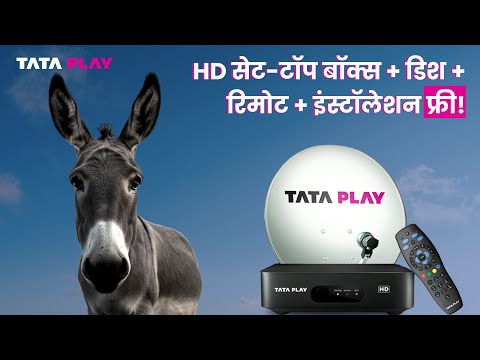
This ad uses a talking donkey to directly confront and dismantle the biggest customer objection—the upfront cost. By having the animal voice the audience's skepticism ('Do you think I'm a donkey?') and then clearly reframing the ₹3600 payment as a usable deposit, not a fee, it cleverly transforms a potential point of friction into a validation of the customer's intelligence for choosing the 'smart' deal.
Executive Summary
In a market saturated with complex pricing and skeptical consumers, Tata Play’s “Samajhdar Bano” campaign opts for radical simplicity, using a talking donkey to disarm and educate its audience. The core insight is potent: potential customers hate feeling like they're being tricked, especially by 'free' offers that require an upfront payment. They feel like they're being treated as a 'gadha'—the Hindi word for donkey, a colloquialism for a fool. The campaign, conceptualized by Ogilvy India, brilliantly weaponizes this very insight, making the donkey the spokesperson who not only voices the audience's skepticism but also expertly dismantles it. [5]
The execution follows a classic Problem-Solution structure, but with a self-aware twist. It begins by presenting the 'problem': the offer itself, which sounds too good to be true. The donkey immediately vocalizes the viewer's internal monologue: "Give ₹3600? Free? Do you think I'm a donkey?" This moment is critical; it acknowledges the objection and validates the viewer's intelligence, creating an instant rapport. The 'solution' phase then reframes the entire proposition. The ₹3600 isn't a fee, it's a deposit—a wallet for future channel purchases. This simple clarification, supported by clean on-screen graphics, turns the confusing offer into a transparent, logical deal. The final payoff comes with the donkey's punchline about his intelligence being 'hereditary,' a wink that reinforces the central theme: choosing Tata Play is the smart, not foolish, decision. The use of Gen-AI to create the characters adds a modern production layer to a classic creative trope. [11]
The debrief for the team is a lesson in the power of confronting objections head-on. Instead of using glossy lifestyle imagery to distract from the price point, the campaign leans into the most difficult part of the sales pitch. It proves that when you respect a customer's intelligence and address their concerns with clarity and a bit of humor, you can turn a major barrier into a reason to believe. For a direct-response campaign, this approach is far more effective than vague brand promises. It’s a solid, functional piece of advertising that understands its audience and its objective perfectly.
Theme Keywords
Brand Position
The smartest and most transparent choice for comprehensive home entertainment.
Brand Archetype
Sage
Creative Game Plan
Use a self-aware talking animal to personify and dismantle customer skepticism about our promotional offer, proving it's the smartest choice.
Diagnosis: Issues & Solutions
Primary Issue: Emotional Connection
The Problem:
The ad is so effective at its rational task of explaining the offer that it completely bypasses any emotional payoff. The viewer is left feeling smart, but not connected to the brand or the experience it provides.
The Solution:
After the donkey explains the smart deal, briefly cut to a warm, relatable shot of a family enjoying a movie night, made possible by their 'smart' choice. This would attach an emotional reward to the rational decision.
Secondary Issue: Strategic Sense
The Problem:
The final joke—'Actually, it's hereditary'—makes the donkey (the brand's messenger) the 'smart' one. This slightly undercuts the core message, which should be about empowering the customer and making them feel smart.
The Solution:
Adjust the final line to have the donkey tell the viewer, 'See? Now you're the smart one.' This would shift the focus of the compliment from the brand to the customer, closing the loop on their initial skepticism.
Additional Notes
Related Links
Credits
Share this Analysis
More Tata Play ad breakdowns
- Tata Play X Chimp&z Inc | World TV Day 2023 #HarTVJinagalalaTata Play
- Tata Play Dhamaka Offer—Deposit ₹3600 & Get Amazing Benefits! Watch full video to know all the perksTata Play
- Tata Play Wishes You A Happy World TV Day #tvTata Play
- This World TV Day, discover why TV is still India’s most powerful social network #sachmeinsocialhojaTata Play
- Celebrating 20 Years of Life JingalalaTata Play