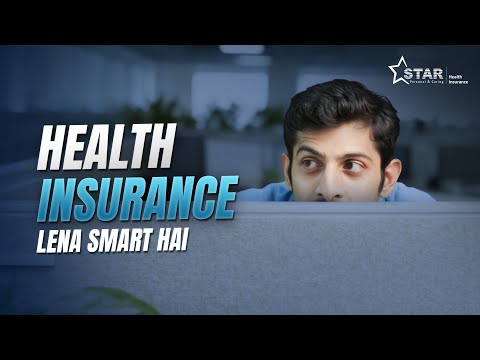
For the Hustlers Like Kapil | Health Insurance Lena Smart Hai | Star Health Insurance - Ad Analysis

AI Editor notes
Straight from the gut!!
“Okay, the 'hustle culture leads to burnout' angle is pretty well-trodden territory. It feels a little like a strategy memo came to life. But I get it. It's direct, it's clear, and it targets a specific vulnerability in millennials and Gen Z. The switch from office frenzy to a sterile hospital room is a classic, if obvious, scare tactic. The fact it's AI-generated is interesting, but it doesn't change the formulaic creative.”
Quick Summary
This ad effectively taps into the 'hustle culture' zeitgeist to create a sense of urgency around health insurance for young, ambitious professionals. By framing insurance not as a cost but as a 'smart' component of a successful career plan, it repositions the product as a necessary tool for maintaining momentum rather than just a safety net for disaster.
Executive Summary
Star Health Insurance’s 'For the Hustlers Like Kapil' is a direct and disciplined piece of advertising that diagnoses a specific cultural ailment to sell a cure. The campaign is built on a clear and simple insight: the very ambition that drives young professionals makes them uniquely vulnerable. By portraying 'hustle culture' not as a badge of honor but as a direct path to a hospital bed, the ad reframes health insurance as an essential component of a successful career, not just a precaution for old age.
The execution follows a classic Problem-Solution narrative, executed with digital-first pacing. The first half of the 36-second spot establishes the Problem through a rapid montage. We see Kapil, our millennial protagonist, embodying the 'hustler'—typing like a 'rocket', multitasking like a 'champion', and mainlining caffeine. The quick cuts and upbeat music mirror the frenetic energy of his life. This part of the ad is designed for relatability; the audience is meant to see themselves in Kapil's relentless drive. The Turn is swift and brutal. The music stops, and the voiceover announces, 'Until... body said, enough now, no more!' We are immediately cut to a silent, sterile hospital room. This jarring transition is the ad's core persuasive tool, forcing the viewer to confront the consequences of their own hustle. The Solution is then presented simply. As Kapil lies in bed, he has an epiphany: 'before taking on a world full of hustle, it is smart to take health insurance.' Star Health is positioned as the 'smart' choice, a pragmatic tool for the ambitious. The ad ends with a quiet smile of relief from Kapil, signifying peace of mind.
The debrief for the creative team would be straightforward: the ad works because it is relentlessly focused. It doesn't try to be funny or overly emotional. It identifies a target (the young hustler), an insight (their feeling of invincibility is a liability), and delivers a clear, logical reason to buy. While it may not win awards for groundbreaking creativity, its strategic clarity is its greatest strength. It functions less as a piece of art and more as a sharp, persuasive argument, which is often exactly what's needed in a category like insurance.
Theme Keywords
Brand Position
The smart, caring safety net for India's ambitious achievers.
Brand Archetype
The Caregiver
Creative Game Plan
Dramatize the inevitable burnout of 'hustle culture' to make health insurance feel like a non-negotiable tool for long-term success.
Diagnosis: Issues & Solutions
Primary Issue: Emotional Connection
The Problem:
The ad presents a clinical, observable problem rather than an emotional one. We see Kapil in the hospital, but we don't feel the weight of his situation—the fear, the regret, or the impact on his family. This makes the resolution feel logical but not deeply resonant.
The Solution:
Instead of just showing Kapil in the hospital bed, add a 2-second shot of his concerned family looking at him through the door, or have him glance at a photo of his child on his phone. This would instantly ground the stakes in human terms and elevate the emotional payoff.
Secondary Issue: Brand Distinctiveness
The Problem:
The 'hustle culture' trope is so common in marketing to millennials that the ad feels somewhat generic. Without the final logo, it could easily be for a competing insurance company, a coffee brand, or even a wellness app.
The Solution:
Integrate a brand-specific element earlier. For instance, if Star Health has a unique digital-first feature, show Kapil using the app to manage his claim from his hospital bed, linking the brand directly to the solution in a tangible way.
Additional Notes
Related Links
Credits
Share this Analysis
More Star Health Insurance ad breakdowns
- Health Insurance Abhi Lena SMART Hai | Get the RIGHT health insurance on your side | Star HealthStar Health Insurance
- For the Wanderers Like Shreya | Health Insurance Lena Smart Hai | Star Health InsuranceStar Health Insurance
- For Every Foodie Like Varun | Health Insurance Lena Smart Hai | Star Health InsuranceStar Health Insurance
- Munnabhai and Circuit | ACKO Health InsuranceACKO
- Munnabhai and Circuit | ACKO Health Insurance | Sanjay Dutt | Arshad WarsiACKO
- Mary Aunty and the BiscuitsGeneral Insurance Council
- Cigna "The Casting Call"Cigna
- Walk 10,000 Steps a day, Get Up to 30% Discount* on Care Supreme Renewal Premium!Care Health Insurance