Farmed and Dangerous Official Trailer - Ad Analysis
 Pixloop Studio
Make ads like this in Pixloop Studio.

Create motion design videos you can edit.
Want an ad like this for your brand?
Pixloop Studio writes the script and generates the video. Sign up free and get 50 credits. No card needed.

AI Editor notes
Straight from the gut!!
“This is an audacious, high-risk, high-reward play. Instead of a 30-second spot, they made a whole TV show. It's a massive flex. The satire is a bit on the nose—exploding cows aren't exactly subtle—but it's a smart way to get people talking. It feels like they're preaching to the choir, but it's a very effective way to arm that choir with talking points and make them feel like they're part of a movement, not just customers.”
Quick Summary
Chipotle created a piece of entertainment, not an ad, to make its core marketing message—that industrial agriculture is bad and its 'Food with Integrity' is the heroic alternative—feel like a cultural truth. By turning their competitors' practices into the villain of a satirical comedy series, they sidestepped traditional advertising to build brand affinity with an audience that is skeptical of it. [4, 9]
Executive Summary
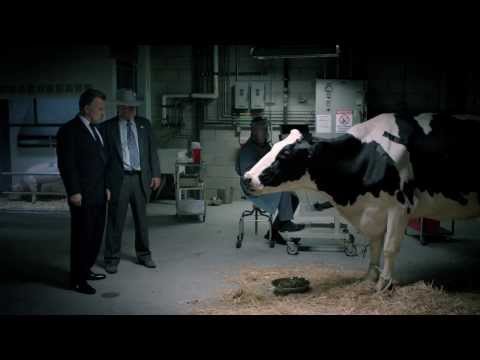
Chipotle’s ‘Farmed and Dangerous’ is a masterclass in aggressive brand positioning disguised as entertainment. Released in 2014, this wasn't an advertisement in the traditional sense; it was a Trojan horse. Chipotle's business goal was to cement its identity as the ethical, thoughtful alternative in a fast-food landscape dominated by faceless giants. The trailer, and the series it promotes, achieves this not by praising its own burritos, but by creating a satirical, sinister caricature of its competition: industrial agriculture. [4]
The Core Insight here is that consumers, particularly Millennials, are inherently suspicious of 'Big Food.' They sense a disconnect between the pastoral imagery on packaging and the industrial reality of their food's origin. 'Farmed and Dangerous' latches onto this suspicion and amplifies it to a comedic, conspiratorial extreme. The simple human truth is: people like to feel they are on the right side of a clear moral choice, and they love a David vs. Goliath story.
The Execution of the trailer follows a classic attention-grabbing narrative arc. It opens with the Setup: a shadowy corporation called 'Animoil' has created 'Petro-pellets,' a petroleum-based cattle feed. [2] This immediately establishes the villain and their absurdly evil plan. The Turn happens with the 'side effect': a cow explodes, and the security footage goes viral. This ignites the central conflict, pitting the slick corporate spin doctor, Buck Marshall (played by Ray Wise), against the heroic independent farmer, Chip Randolph. The Payoff is twofold. For the viewer, it’s a trailer for a genuinely entertaining-looking satirical series. For the brand, the payoff is the final card: 'An Original Chipotle Series.' In that moment, Chipotle isn't just a restaurant; it’s the storyteller, the truth-teller, and the patron of the hero. The choice of a satirical thriller format is clever, as it allows them to make damning accusations without the somber, preachy tone of a documentary. [3]
The Debrief for any marketing team watching is clear: if your brand has a genuine, deeply-held conviction, don't just state it—dramatize it. Chipotle didn't say, 'Our competitors use questionable methods.' They created a world where the competition feeds cows oil and makes them explode. [11] By externalizing the conflict and wrapping their message in a genuinely engaging, humorous story, they created content people chose to watch and share, achieving a level of engagement and influence that a standard 30-second spot could never match. [5]
Theme Keywords
Brand Position
The conscientious champion of real food, fighting against a corrupt industrial food system.
Brand Archetype
The Rebel
Creative Game Plan
Dramatize the evils of industrial agriculture as a satirical corporate conspiracy to make Chipotle's 'Food with Integrity' philosophy the heroic protagonist of the story.
Diagnosis: Issues & Solutions
Primary Issue: Emotional Connection
The Problem:
The reliance on satire and caricature, while effective for humor, keeps the audience at an intellectual distance. The 'good guys' (the farmers) feel more like handsome archetypes than real, struggling people, which limits the potential for a deeper emotional bond.
The Solution:
Intersperse the satire with moments of genuine, documentary-style earnestness. Show the beauty and hardship of real sustainable farming to ground the comedy in authentic emotion, making the stakes feel more personal and less like a cartoon.
Secondary Issue: Clarity of "What's Next?"
The Problem:
The campaign successfully drives viewers to watch a show on Hulu, but the bridge from being entertained by the show to eating at a Chipotle restaurant is largely unbuilt. The brand risks creating a successful piece of entertainment that doesn't fully translate into commercial action.
The Solution:
Integrate the campaign more tightly with the in-store or digital customer experience. The show's website could have featured a 'Find your nearest ethical burrito' locator, or a QR code in restaurants could have unlocked exclusive behind-the-scenes content from the show, closing the loop between content and commerce.
Additional Notes
Related Links
Credits
Share this Analysis
More Chipotle Mexican Grill ad breakdowns
- A Future Begins - A Short Film Supporting FarmersChipotle Mexican Grill
- BRE - Just BraggingChipotle Mexican Grill
- The Parked Car featuring Roman Kemp | Nando's UKNando's
- Phone DownFreddy's Frozen Custard & Steakburgers
- Madero and Hospital Angelina Caron - September 27th - National Organ Donation Day CampaignMadero
- Nando's Window LickNando's
- Panda Express' Chinese New Year Collaboration with Artist Jing WeiPanda Express
- Habit Burger & Grill: The Chicken Club - Fresh Like ThatHabit Burger & Grill