ELEC CITY TOWN Bus | Yakushima Japan - Ad Analysis

AI Editor notes
Straight from the gut!!
“This is a beautiful, earnest corporate halo piece. It feels more like a sponsored segment on the National Geographic channel than a traditional ad. The strategy is clear: build brand love through CSR. But at nearly three minutes, it’s a long, gentle journey. Does it make me want to buy a Hyundai car? Not directly. Does it make me think Hyundai is a thoughtful company? Yes. It's so polite it almost forgets to be an ad.”
Quick Summary
Hyundai isn't just selling an electric bus; it's positioning itself as a key partner in building a sustainable future. By embedding its product in the pristine, symbolic landscape of a Japanese UNESCO World Heritage site, the brand uses a soft-sell documentary approach to prove its 'Progress for Humanity' ethos, letting the story of community and environmental harmony do the selling.
Executive Summary
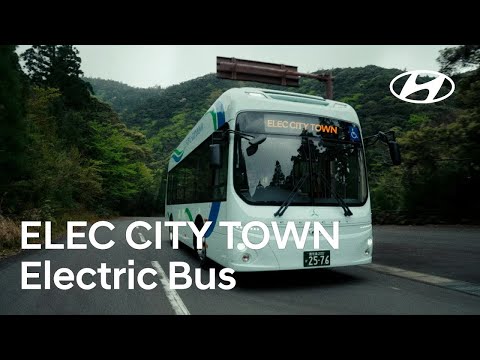
This film from Hyundai is less of an advertisement and more of a corporate documentary, a strategic choice that aims for credibility over immediate commercial impact. The core of the piece is not the ELEC CITY TOWN bus itself, but the story of Yakushima—a UNESCO World Heritage site that embodies the fragile balance between humanity and nature. By placing its product in this revered setting, Hyundai positions itself as a respectful enabler of a sustainable future, rather than just a manufacturer of vehicles. This is a classic brand-building play, targeting a global audience that values corporate ethics and environmental responsibility.
The execution follows a patient, testimonial-driven documentary format. It opens by establishing the stakes: the unique beauty and ecological purity of Yakushima, an island powered almost entirely by hydroelectricity. The arrival of Hyundai's electric bus is framed as the next logical step in the island's journey toward complete harmony with nature. The narrative is carried by the authentic voices of the community: high school students who represent the future generation's hope, a trekking guide who provides a tangible benefit (quieter tours that don't disturb wildlife), a proud bus driver, and local leaders who articulate the project's strategic vision of 'coexistence and circulation.' This approach lends the film an authenticity that a traditional, corporate-voiced ad could never achieve. The bus is the hero, but it’s a quiet hero, enabling the real protagonists—the people and the island—to thrive. The final montage cleverly broadens the narrative, connecting the specific story of Yakushima to Hyundai's global deployment of eco-friendly commercial vehicles, reinforcing the idea that this is not an isolated stunt but part of a worldwide mission.
The team behind this should learn that for CSR initiatives, showing is infinitely more powerful than telling. Letting genuine stakeholders carry the narrative builds trust that no amount of ad spend can buy. However, this approach has its trade-offs. The film is long, and its branding is subtle. While highly effective for a dedicated audience on a platform like YouTube, its value in a paid media environment that demands brevity and strong brand recall would be limited. It succeeds as a piece of reputation management and brand storytelling, creating a deep, positive association for those who invest the time to watch it.
Theme Keywords
Brand Position
Hyundai is the thoughtful technology partner enabling a future where human progress and nature coexist in harmony.
Brand Archetype
The Sage
Creative Game Plan
Demonstrate Hyundai's commitment to sustainability by showing how its technology empowers a real community to protect its priceless natural heritage.
Diagnosis: Issues & Solutions
Primary Issue: Strategic Sense
The Problem:
The film is so successful at celebrating Yakushima that it risks making the Hyundai brand a footnote. The story feels more like a UNESCO promotional film that Hyundai sponsored, rather than a story that could only have been told by Hyundai. Its lack of a distinct brand personality makes it less defensible against competitors.
The Solution:
Subtly thread Hyundai's core brand identity, 'Progress for Humanity,' throughout the narrative. An opening or closing title card stating 'In Yakushima, we found a partner in Progress for Humanity' would connect this specific action to the larger, ownable brand platform without feeling like a hard sell.
Secondary Issue: Clarity of "What's Next?"
The Problem:
The film inspires a positive feeling toward the brand but fails to provide any outlet for that goodwill. There is no call-to-action, leaving the viewer's journey at a dead end after the video finishes.
The Solution:
Incorporate a simple, non-intrusive end-card with a clear next step. A simple URL like 'Hyundai.com/Sustainability' or a message like 'Follow our journey toward a carbon-free future' would give engaged viewers a place to continue their interaction with the brand.
Additional Notes
Related Links
- ヒョンデ、世界自然遺産・屋久島に電気バスを納車、町と包括連携協定を締結 - PR TIMES✓ Validated9/10AI Source
Credits
Share this Analysis
More Hyundai ad breakdowns
- Hyundai IONIQ 5 | Ultimate CampingHyundai
- The all-new NEXO Global Unveil – Clearly Committed | Main FilmHyundai
- IONIQ5-based Robotaxi l Innovation Begins, from Very Human Things Ep.1 shortHyundai
- Hyundai Mobility Adventure | Jump into the Epic Journey (Trailer)Hyundai
- Best of Both Worlds | SANTA FE Hybrid | HyundaiHyundai
- El reflejo de un mundo mejor - HEVolución HíbridaHyundai
- Hyundai INSTER. Small car. Big energy.Hyundai
- Hyundai IONIQ 5 | 5 Min ChallengeHyundai