COSTA LEO 45s ENGLISH VERSION - Ad Analysis

AI Editor notes
Straight from the gut!!
“Finally, a travel ad that feels real. Using a kid's post-vacation meltdown is a clever, potent move. It's the kind of moment every parent recognizes. It makes the whole proposition feel less like a corporate sales pitch and more like a shared human experience. My only question: is this a one-off viral hit or the start of a brave new platform? Because if they can keep finding these true moments, they're onto something big.”
Quick Summary
By swapping polished production for raw, user-generated footage, Costa found a simple, powerful truth: the most convincing proof of an amazing vacation is the genuine sadness of a child who doesn't want it to end. This ad works because it trades staged perfection for authentic emotion, making the brand's promise feel more real than any glossy competitor's ad.
Executive Summary
In the world of travel advertising, a universe saturated with sun-drenched, slow-motion shots of perfectly curated happiness, Costa Cruises' 'Leo' ad lands with the force of a documentary. It's a sharp, effective pivot from aspiration to authentication. The campaign, which marked a new direction for the brand under the agency Herezie, wisely stakes its claim not on the promise of a good time, but on the emotional aftermath of one. [1, 4] This shift from showing the vacation to showing the effect of the vacation is the ad's central strategic pillar.
The core insight is simple and profoundly human: the truest measure of a great experience is how much it hurts to leave it behind. Instead of telling us we'll have fun, Costa shows us the undeniable proof in the tears of a three-year-old boy. This isn't just advertising; it's evidence. The choice to use raw, unstaged smartphone footage is critical. [5] It provides an immediate layer of credibility that a high-budget production could never achieve. The vertical format, the shaky camera, the authentic family dialogue—it all signals to the viewer that this is real life, not an ad set.
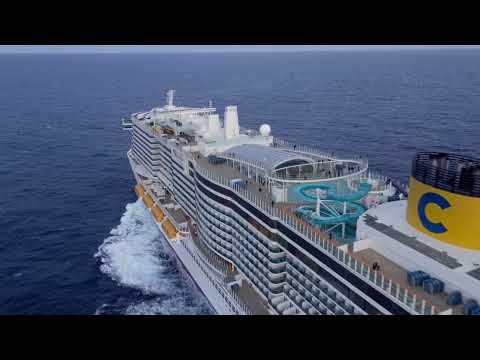
The execution follows a classic Setup-Turn-Payoff structure. The Setup is the intimate, slightly mundane scene in the car. It establishes a relatable context for any parent: the drive home from a trip. The Turn is Leo's emotional breakdown when he sees the ship. This is the narrative hook—it's unexpected and piques curiosity. Why is this child so upset? The Payoff is twofold. First, the on-screen text explicitly connects his emotion to the brand: 'If you miss a holiday this much, it can only be Costa.' Second, the montage that follows serves as the justification for his tears, showcasing a flurry of joyful, authentic-looking moments from his trip, all set to the optimistic track 'I'm a Believer.'
The debrief for the marketing team is clear: authenticity is the new premium. In an era of deep-seated skepticism toward advertising, demonstrating a truth is far more powerful than declaring it. The brand surrenders control over the polished aesthetic and in return, gains a huge amount of credibility. This ad doesn't just sell a cruise; it sells a feeling that feels earned and, most importantly, real.
Theme Keywords
Brand Position
The cruise that creates memories so powerful, they're unbelievable.
Brand Archetype
The Innocent
Creative Game Plan
Prove the unparalleled joy of a Costa cruise by showing the genuine, unscripted sorrow of a child leaving it.
Diagnosis: Issues & Solutions
Primary Issue: Strategic Sense
The Problem:
The ad's greatest strength—its reliance on a single, authentic moment—is also a potential weakness. It's so effective it risks being perceived as a one-off viral video rather than the foundation of a new brand platform.
The Solution:
Commit fully to the 'Believe Your Eyes' platform by launching an integrated campaign that actively solicits and features a continuous stream of authentic guest stories, turning this single ad into the first chapter of a larger brand narrative built on real experiences.
Secondary Issue: Clarity of "What's Next?"
The Problem:
The ad masterfully builds an emotional high but leaves the viewer with nowhere to channel that feeling. It creates immense desire without providing a clear, immediate path to exploration or purchase.
The Solution:
In digital environments, pair the video with a simple, direct call-to-action that bridges the emotional to the rational, such as a companion banner or end-card that says, 'See the vacation Leo will never forget. Visit Costa.com.'
Additional Notes
Credits
Share this Analysis
More Costa Cruises ad breakdowns
- Presenting our new Marvelous Voyages 🚢Virgin Voyages
- Why cruise when you can CunardCunard Line
- The Mermaids | A Virgin Voyages Tale of AI, Myth & TransformationVirgin Voyages
- Safety Video for Gotland Alandia Cruises – BirkaBirka Gotland
- Love Boat by Hannah | Princess CruisesPrincess Cruises
- DiscoheadsTallink
- Pullmantur - La historia real de un tío cojonudo - Día Del CruceristaPullmantur Cruceros
- Change I Princess Cruises Short Film CommercialPrincess Cruises