Change I Princess Cruises Short Film Commercial - Ad Analysis

AI Editor notes
Straight from the gut!!
“This feels like a play straight from the luxury brand handbook. It’s beautiful, expensive, and a little generic. The 'change' concept is powerful but hard to own. Could a competitor like Holland America or even a resort chain run this? Probably. It's trying so hard to be profound that it almost forgets to be about cruising. I'm left with a feeling, but not a sharp reason to choose Princess over another option.”
Quick Summary
This ad positions Princess Cruises not as a vacation, but as a catalyst for personal transformation. By framing the journey through the eyes of a wise captain who has witnessed countless lives changed, the brand elevates itself above competitors' focus on amenities and fun, selling a deeper, more profound benefit: you won't just have a good time, you'll 'come back new.'
Executive Summary
Princess Cruises' 'Change' is a textbook example of a brand moving up the value chain, shifting the conversation from the 'what' (ships, destinations) to the 'why' (personal transformation). It’s a deliberate strategy to carve out a premium, emotionally-driven space in a crowded market that often defaults to promoting features like waterslides and buffets.
The Core Insight: The central idea is that modern travelers, particularly the target audience of 'Meaningful Travelers' identified by the brand's research, crave more than just an escape; they seek experiences that enrich and change them. [1, 2] The ad posits that a cruise is not merely a trip but a journey that facilitates profound connections—with nature, with diverse cultures, and most importantly, with loved ones and oneself. The promise isn't a collection of souvenirs, but a renewed perspective on life.
The Execution: The ad uses a classic Lifestyle/Aspirational narrative, anchored by the 'wise observer' archetype—the ship's captain. This is a smart choice. The captain serves as a credible, third-party witness to the transformations he describes, lending authenticity to the lofty claims. The structure follows a simple but effective arc:
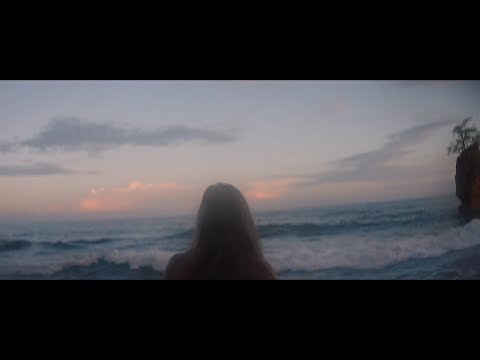
- Setup: The ad opens with breathtaking, cinematic shots of nature and people in moments of quiet wonder. The captain’s voiceover immediately introduces the theme: 'Change.' This establishes a contemplative, premium tone, far from the high-energy chaos of typical cruise ads.
- The Turn: The narrative builds by defining what this 'change' looks like. It’s not one big event, but a series of small, powerful moments: watching a glacier calve, feeling the rush of a dogsled, sharing a dance, or connecting with an animal. The montage connects these disparate experiences to the core benefit, showing how the cruise facilitates these moments.
- The Payoff: The voiceover concludes by framing this change as the ultimate return on investment. The line, 'To see people go out... and come back new,' directly pays off the brand's long-standing tagline. The final shot of the ship at sunset is the category-standard punctuation, but here it feels earned, symbolizing the journey towards that 'new' self.
The Debrief: The team behind this ad understood that to command a premium, you have to sell a premium benefit. They successfully identified a target psychographic ('Meaningful Travelers') and built a narrative that speaks directly to their desires. [2] The choice to use a 90-second 'short film' format for digital and TV was also key, allowing the emotional arc to build without feeling rushed. [3, 6] The lesson here is that when your product category is commoditized, the most powerful differentiator is often an intangible feeling. Princess isn't selling cruises; it's selling the person you'll become after the cruise.
Theme Keywords
Brand Position
The cruise line that provides enriching travel experiences that change you for the better.
Brand Archetype
The Sage/Explorer.
Creative Game Plan
Use a seasoned captain's perspective to frame a cruise as a journey that delivers personal transformation through connection with nature, culture, and people.
Diagnosis: Issues & Solutions
Primary Issue: Brand Distinctiveness
The Problem:
The ad's biggest weakness is its reliance on generic, albeit beautiful, imagery of travel. While emotionally effective, the scenes of glaciers, waterfalls, and cultural dances could belong to any premium travel brand, from a competitor cruise line to an airline or a luxury hotel chain.
The Solution:
Integrate more specific, 'only-on-Princess' moments. Instead of just showing a glacier, briefly feature a unique shore excursion or an onboard naturalist program that makes that moment possible. The captain narrator is a step in this direction; the next step is to connect the transformative moments more explicitly to the unique platform that is a Princess ship.
Secondary Issue: Clarity of 'What's Next?'
The Problem:
For a potential customer who is moved by the ad but new to cruising, the spot doesn't provide a clear entry point. The abstract promise of 'change' is compelling but might leave some viewers wondering, 'Okay, but what does that actually look like for me? Which trip do I take?'
The Solution:
Complement the high-level brand film with targeted digital creative. For example, retarget viewers with shorter, 15-second ads showcasing how specific itineraries (e.g., 'The Alaskan Change,' 'The Mediterranean Change') deliver on the promise shown in the main film, with a direct link to those booking pages.
Additional Notes
Related Links
Credits
Share this Analysis
More Princess Cruises ad breakdowns
- Love Boat by Hannah | Princess CruisesPrincess Cruises
- Presenting our new Marvelous Voyages 🚢Virgin Voyages
- Why cruise when you can CunardCunard Line
- The Mermaids | A Virgin Voyages Tale of AI, Myth & TransformationVirgin Voyages
- Safety Video for Gotland Alandia Cruises – BirkaBirka Gotland
- COSTA LEO 45s ENGLISH VERSIONCosta Cruises
- DiscoheadsTallink
- Pullmantur - La historia real de un tío cojonudo - Día Del CruceristaPullmantur Cruceros