Colgate: Water - Ad Analysis

AI Editor notes
Straight from the gut!!
“This is smart. Really smart. It doesn't sell toothpaste, it sells conscience. They took a moment they already own—brushing your teeth—and attached a powerful, world-changing idea to it. The audio work is the whole game here. It creates this deep unease. You're watching one thing and hearing another, and it forces you to pay attention. It's a solid, guilt-inducing ad in the best possible way. It makes you want to turn off the tap right now.”
Quick Summary
This ad's power comes from a brilliant audio-visual trick. It transforms the mindless, everyday act of leaving the tap on into a moment of profound global connection and responsibility. By replacing the sound of water going down the drain with the sounds of people desperately collecting it, Colgate makes an invisible problem feel immediate and personal, giving consumers a powerful reason to change their behavior and a positive feeling about the brand that told them.
Executive Summary
This Colgate ad is a textbook example of how to execute a corporate social responsibility (CSR) campaign with precision and impact. It avoids the common pitfall of vague, self-congratulatory messaging and instead focuses on a single, tangible behavior change, making it both powerful and effective.
The Core Insight here is that what is trivial to one person is vital to another. The ad operates on the simple human truth that we are often blind to the consequences of our small, habitual actions. By leaving a tap running, we don't consciously think we are wasting a precious resource; it's a mindless act. This campaign’s job is to make the mindless mindful.
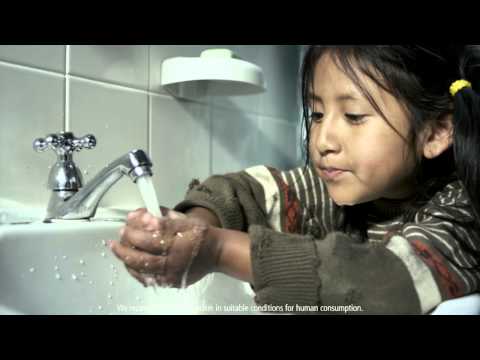
The Execution uses a classic but perfectly deployed Setup-Turn-Payoff structure. The Setup is deceptively mundane: a man goes to brush his teeth in a clean, modern bathroom. He turns on the tap. This scene is universally relatable in the developed world. The ad intentionally lulls the viewer into a state of passive observation. The Turn is executed not visually, but through audio. While the image of the running tap remains, the soundscape shifts dramatically. We hear the scrape of a cup, the slosh of water into a bowl, the desperate scooping by hands. The brief visual montage of different people—a child, an elderly person—metaphorically collecting water from this same wasteful stream is the creative linchpin. It connects our private, privileged moment of waste with the public, desperate need of others. The ad doesn't need to show a parched desert; it brings the problem right into our bathroom sink. The Payoff is delivered through stark, simple text that quantifies the waste (“over 10 liters”) and contextualizes its value (“more than many people…have in a month”). The final command, “Close the tap,” is not a suggestion but a clear, actionable solution. The Colgate logo at the end doesn't feel forced; it feels earned. The brand becomes the sponsor of this newfound awareness.
The Debrief for the team that made this is simple: focus wins. They didn’t try to solve the entire water crisis. They didn't list all of Colgate's corporate initiatives. They identified one specific moment where their brand is present and delivered one specific message to influence one specific behavior. This discipline is what makes the ad resonate instead of feeling like corporate fluff. It demonstrates that a brand can create significant value by confidently stepping away from product features to talk about shared values.
Theme Keywords
Brand Position
The oral care brand that champions responsible water use.
Brand Archetype
Caregiver
Creative Game Plan
Make the invisible consequence of a common wasteful habit emotionally and audibly tangible.
Diagnosis: Issues & Solutions
Primary Issue: Strategic Sense
The Problem:
The campaign's biggest potential vulnerability is the 'say-do' gap. The ad places the responsibility squarely on the consumer, which is effective, but risks appearing hypocritical if the parent company's own water usage and environmental policies aren't aligned with the message.
The Solution:
Proactively link the consumer-facing CTA to corporate action. The end card or a linked website should feature a simple, transparent statement about Colgate-Palmolive's own water conservation goals and achievements in its manufacturing processes, demonstrating shared responsibility.
Secondary Issue: Clarity of "What's Next?"
The Problem:
The ad does a phenomenal job of inspiring an immediate behavioral change ('Close the Tap'). However, it misses an opportunity to channel that newly-sparked consumer interest into deeper brand engagement.
The Solution:
Instead of a generic country-specific URL, use a dedicated campaign landing page (e.g., Colgate.com/EveryDropCounts, a hashtag they later used). [10] This page could offer more water-saving tips, track collective water saved by pledges, and detail Colgate's partnerships with water-focused NGOs, converting a moment of awareness into a longer-term brand conversation.
Additional Notes
Related Links
Credits
Share this Analysis
More Colgate ad breakdowns
- Colgate Total prevents dental problems before they start | English | 20 secColgate
- Colgate Active Salt | Theater | HindiColgate
- Colgate Toothpaste for Diabetics, created with Diabetes Experts | EnglishColgate
- Colgate Swarna Vedshakti. The perfect sangam.(Hin)Colgate
- Kiran Kanojia - India’s first female Blade Runner | HindiColgate
- Colgate Strong Teeth - Andar se strong - Deepika Padukone (6+30s)Colgate
- New Colgate Visible White O2, a teeth whitening revolution, that whitens teeth in just 3 days*Colgate
- Upgrade to a healthier mouth with the new Colgate Total (Hindi)Colgate