Coca-Cola - There is always something to do for the first time - Ad Analysis

AI Editor notes
Straight from the gut!!
“This is textbook heartstring-pulling, characteristic of the early 2010s 'brand-as-publisher' trend. It’s a genuinely touching story, but it feels more like a passion project from a small production house (which it was) than a major campaign from a global giant. The heart is absolutely there, but the final branding feels a little tacked on. You remember Joaquín, but the link to Coke feels secondary, which is always the risk with this kind of borrowed-interest storytelling.”
Quick Summary
This ad isn't selling a soft drink; it's selling a pure, unfiltered moment of human connection. By documenting a simple, genuine act of kindness—taking a 75-year-old man to see the ocean for the first time—Coca-Cola powerfully aligns its brand with the universal emotions of joy, discovery, and intergenerational friendship. The product becomes the symbol of a memory made, not just a beverage.
Executive Summary
This Coca-Cola spot is a prime example of the 'docu-brand' film style that gained prominence in the 2010s, moving away from glossy artifice toward perceived authenticity. The strategy is to step back from being the hero of the story and instead become the facilitator of a genuine human moment. The ad's power doesn't come from a clever script or stunning visual effects, but from the raw, unscripted emotion of its protagonist, Joaquín Antón.
The Core Insight here is that the joy of a 'first time' is a universal and profoundly moving experience that transcends age, and that enabling such a moment is the ultimate expression of connection. Coca-Cola isn't just selling a drink; it's positioning itself as a catalyst for creating cherished memories. It taps into a simple truth: we are all moved by acts of kindness, especially when they bridge generational divides.
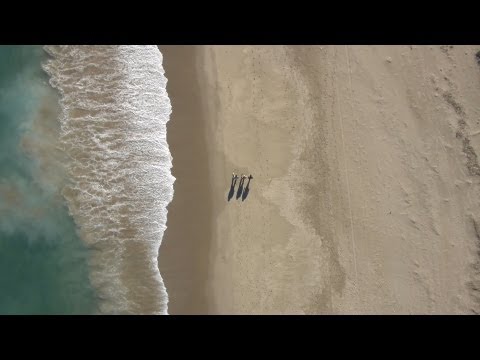
The execution follows a classic Setup-Journey-Payoff narrative structure that makes the two-minute runtime feel earned. The Setup introduces us to 75-year-old Joaquín and his lifelong, unfulfilled dream of seeing the sea, immediately establishing high emotional stakes. The Journey documents the road trip from his rural village to the coast, building anticipation while subtly showcasing the budding friendship between him and the two young filmmakers. This is where the trust is built. The Payoff is the beautiful, quiet moment of Joaquín stepping onto the beach at sunrise. The filmmakers wisely let this moment breathe, relying on the quiet power of his reaction rather than overwrought music or editing. The final scene, where they share a Coke, serves as the brand's signature on the experience—positioning the product as the beverage of choice for commemorating a moment of pure happiness.
The debrief for any team looking at this work is clear: authenticity can be more powerful than perfection. In an era of cynicism, a real story, simply told, can cut through the noise. However, the critical lesson is in the integration. While the ad is emotionally resonant, the brand's presence feels slightly peripheral until the final moments. The challenge with this style is ensuring the brand is woven into the fabric of the story from the beginning, rather than appearing as the closing credits' sponsor. It works here, but just barely.
Theme Keywords
Brand Position
The official sponsor of life's happy moments, big and small.
Brand Archetype
The Innocent
Creative Game Plan
Document a genuine act of kindness to prove that Coca-Cola is a catalyst for creating and sharing real moments of happiness.
Diagnosis: Issues & Solutions
Primary Issue: Strategic Sense
The Problem:
The ad's primary weakness is its lack of brand distinctiveness. The story is so universal that it could have been created by a travel company, a telecom, or even a different beverage brand. The Coca-Cola product feels like a conclusion to the story, not an integral part of it.
The Solution:
Integrate the brand into the narrative's midpoint. For instance, the young men could have brought Joaquín a Coke when they first met him in his village, framing the entire journey as an act of 'sharing happiness' that begins and ends with the product.
Secondary Issue: Clarity of "What's Next?"
The Problem:
The hashtag, while thematic, is too long and abstract to be an effective call to action. It doesn't inspire participation or give the audience a clear way to engage with the campaign's theme beyond passive viewing.
The Solution:
Create a more direct and participatory CTA. A campaign hub asking people to 'Share a Coke and a first time' with a shorter, more memorable hashtag (e.g., #CokeFirsts) would have transformed a passive ad into an active, user-generated campaign.
Additional Notes
Credits
Share this Analysis
More Coca-Cola ad breakdowns
- COCA-COLA | O ANO DA VIRADACoca-Cola
- Who will you Share A Coke with?Coca-Cola
- The Lost Voices | Football World Cup FandomCoca-Cola
- McVeggie + Coke Zero @ Just ₹149!Coca-Cola
- Coca-Cola | It's Magic When the World Comes Together | Paris 2024 | Global Coca-Cola
- Kıpır Kıpır Bir Coca-Cola?Coca-Cola
- Pilav Show! - #TadınıÇıkarCoca-Cola
- Coca-Cola: Te tocó nacer acáCoca-Cola