Coca-Cola: #ThatsGold, 1 - Ad Analysis

AI Editor notes
Straight from the gut!!
“It's a textbook Coca-Cola Olympics play. Safe, polished, and emotionally manipulative in the way only a big brand can be. Tying a soda to the feeling of winning a gold medal is a strategic leap, but they almost pull it off with the genuine stories. The use of a Paralympian is a smart, inclusive touch. It's competent, but not exactly brave work. It does the job, nothing more.”
Quick Summary
This ad works by redefining the exclusive feeling of winning an Olympic gold medal into a universal emotion of shared joy and achievement. By using authentic stories from both an Olympian and a Paralympian, Coca-Cola cleverly positions itself not just as a drink, but as the taste of any personal victory, big or small, making an elite concept accessible to everyone.
Executive Summary
Coca-Cola's '#ThatsGold' is a masterclass in leveraging a massive sponsorship. Instead of just slapping a logo on the Olympics, they integrated their core brand platform, 'Taste the Feeling,' into the very definition of victory. The campaign, specifically this spot featuring Ashton Eaton and Tatyana McFadden, is built on a simple, powerful insight: the feeling of winning isn't the medal itself, but the shared human joy that comes with achievement. This ad successfully democratizes an elite experience, transforming 'gold' from a rare metal into a universal emotion that, conveniently, can be experienced with a sip of Coke.
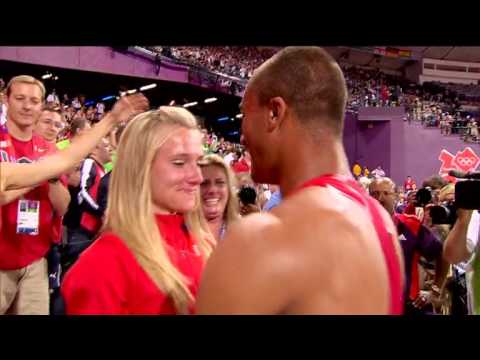
The execution follows a clean Testimonial format. It begins by hooking the viewer with a question: 'What does Gold feel like?' We see Ashton Eaton's peak athletic triumph, but his narration immediately pivots to the human element—sharing the moment with his family. This grounds the ad. The story is then mirrored by Tatyana McFadden, whose 'gold moment' isn't a medal, but a memory from childhood—making her first basketball shot. This is the strategic core of the ad. By showing both a massive public victory and a small personal one, the ad builds a bridge for the average viewer. Their own small wins—passing a test, getting a promotion—can also be 'gold.' The use of grainy, authentic archival footage adds a layer of credibility and nostalgia, making the stories feel less like a corporate script and more like genuine memories. The final supers, 'Gold is a feeling' and 'That anyone can taste,' explicitly state the strategy, linking the abstract emotion directly to the product just before the final branding slate.
The debrief for the team would be to recognize the power of this strategic framework. The campaign succeeds because it doesn't just celebrate athletes; it uses athletes to celebrate the audience. The choice to feature both an Olympian and a Paralympian was a smart, inclusive move that broadened the ad's appeal. [7] The core learning is that for a mass-market brand, the most effective strategy is to find a universal human truth within an exclusive event. The slight weakness is the predictability of the format. While effective, it's a formula Coke and other major brands have used for decades. The challenge for the future is to deliver this same universal feeling in a less expected package.
Theme Keywords
Brand Position
Coca-Cola is the official drink of life's joyful and celebratory moments, big or small.
Brand Archetype
The Innocent: seeking to spread happiness and optimism.
Creative Game Plan
Redefine 'gold' from a rare medal into a universal feeling of joy that anyone can experience, and position Coca-Cola as the taste of that feeling.
Diagnosis: Issues & Solutions
Primary Issue: Strategic Sense
The Problem:
The ad's central premise—that drinking a Coke is like winning a gold medal—is a significant logical leap. While emotionally appealing, it's a tenuous connection that relies entirely on the viewer's willingness to accept the marketing premise without question, bordering on being slightly generic for an Olympic sponsor.
The Solution:
Strengthen the link by showing non-athletic 'gold moments' from everyday people. Instead of just using athletes to tell us all moments are gold, show us a montage of those moments (a graduation, a first date) to make the bridge from the podium to the porch more visually explicit and believable.
Secondary Issue: Clarity of "What's Next?"
The Problem:
The ad does a great job of building an emotion but gives the viewer nowhere to channel it. The '#ThatsGold' hashtag is a passive call-to-action that relies on the user to do all the work, limiting engagement.
The Solution:
Create a simple digital activation tied to the hashtag. For example, a microsite or social filter where users could upload a photo of their own 'gold moment' and have it framed in a gold Coca-Cola border, making participation easy and shareable, as the broader campaign intended to do with user-generated content. [1]
Additional Notes
Related Links
Credits
Share this Analysis
More Coca-Cola ad breakdowns
- COCA-COLA | O ANO DA VIRADACoca-Cola
- Who will you Share A Coke with?Coca-Cola
- The Lost Voices | Football World Cup FandomCoca-Cola
- McVeggie + Coke Zero @ Just ₹149!Coca-Cola
- Coca-Cola | It's Magic When the World Comes Together | Paris 2024 | Global Coca-Cola
- Kıpır Kıpır Bir Coca-Cola?Coca-Cola
- Pilav Show! - #TadınıÇıkarCoca-Cola
- Coca-Cola: Te tocó nacer acáCoca-Cola