Chhoti Soch? | Urban Company - Ad Analysis

AI Editor notes
Straight from the gut!!
“This is a gutsy move. Tackling the sexualized stigma around massage therapy is something most brands would run from. It's a long ad, and it asks a lot from the viewer, but the payoff is real. My main question: Is this for the customer or for the partner? It feels like an internal HR film dressed up as a consumer ad. A necessary message, but the strategic target feels a bit blurred.”
Quick Summary
This film's power comes from confronting a specific, ugly social stigma head-on. By reclaiming the derogatory phrase 'happy ending' and redefining it as the relief and comfort her service provides, Urban Company elevates the dignity of its female professionals and positions itself as a courageous, progressive brand that stands for more than just convenience.
Executive Summary
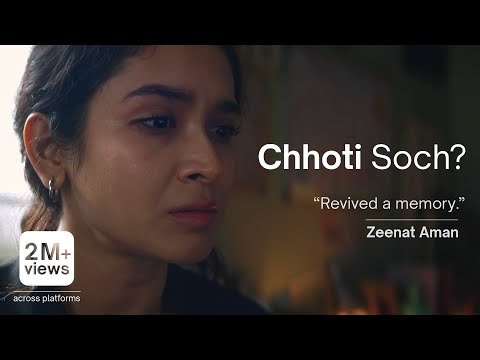
Urban Company’s “Chhoti Soch?” is less an advertisement and more a piece of social commentary, wrapped in a nearly four-minute short film. It operates as a strategic brand-building exercise, aiming to elevate the company's reputation by tackling a sensitive, culturally ingrained issue: the lack of dignity afforded to women in service professions, specifically massage therapy. The campaign, released around International Women's Day 2024, is a confident move from a market leader that understands its success is intrinsically tied to the well-being and respect of its partners. [3, 10]
The Core Insight here is that societal progress and economic empowerment for women are often met with regressive, judgmental attitudes—what the film calls 'chhoti soch' or 'small thinking.' [4] The very people who benefit from these services can harbor prejudices that cause shame and humiliation for the professionals. Urban Company identifies this hypocrisy as a barrier not just to its partners' morale, but potentially to its own business growth and talent acquisition. [8]
The execution uses a classic Setup-Turn-Payoff narrative structure to deliver its message. The Setup establishes a tense family dynamic: a young Urban Company partner comes home proud of her new car, only to find her younger brother sullen and angry. The source of the conflict is a mystery, building a quiet drama. The Turn is the film's emotional pivot, where the brother reveals he's been taunted by neighborhood boys who imply his sister bought her car by providing sexual favors, using the derogatory slang 'happy ending'. [9] This moment is unflinching; it puts the ugliest part of the stigma on full display. The Payoff is the sister’s powerful reframing of this slur. She doesn't just deny it; she reclaims it. The 'happy ending,' she explains, is the relief a tired mother feels, the comfort an elderly person receives. She confronts the prejudice head-on, concluding that as women advance, society's thinking often shrinks. This transforms her from a victim of gossip into a proud professional, restoring her dignity and educating her brother. The mother's knowing look and the authoritative final voiceover cement the brand's position.
The Debrief for the brand and creative team is clear: purpose-driven storytelling, when rooted in a genuine business problem, can be incredibly powerful. [7] The film demonstrates that a brand can lead a difficult cultural conversation, strengthening its identity in the process. However, it also highlights the challenge of balancing long-form emotional narratives with the attention spans of online audiences. While effective, the film's success relies on the viewer's willingness to invest time, a risk for any brand.
Theme Keywords
Brand Position
The platform that delivers professional, safe, and dignified at-home services.
Brand Archetype
The Hero
Creative Game Plan
Dramatize the real-world stigma faced by female massage therapists to reframe their work as a dignified, essential service.
Diagnosis: Issues & Solutions
Primary Issue: Emotional Connection
The Problem:
The film's nearly four-minute runtime is a significant barrier in a digital environment. The slow, dramatic build risks losing a large portion of the audience before the powerful emotional payoff is delivered, diluting the message's reach.
The Solution:
Create shorter, high-impact edits (60-90 seconds) that focus on the core dramatic conflict—the brother's confession and the sister's reframing of 'happy ending'—for wider, more digestible distribution on social media platforms.
Secondary Issue: Strategic Sense
The Problem:
The film is heavily focused on championing the service partner's dignity, but the value proposition for the customer is only implied. It doesn't explicitly connect the partner's professionalism and respect to a better, safer, or more reliable customer experience.
The Solution:
Add a simple on-screen text or a line in the voiceover that bridges this gap, such as: 'Respect is at the core of our service. Experience the difference professionalism makes.' This would translate the brand's values into a direct customer benefit.
Additional Notes
Related Links
Credits
Share this Analysis
More Urban Company ad breakdowns
- Chhota Kaam? | Urban CompanyUrban Company
- Chhoti Baat? | Urban CompanyUrban Company
- AC hai ya Pankha? | Foamjet AC Servicing | Urban CompanyUrban Company
- Regular Cleaning vs Shine Waali Cleaning | Professional Cleaning | Urban CompanyUrban Company
- Mrs Saini Ka Bathroom Kitna Shiny | Professional Cleaning | Urban CompanyUrban Company
- Professional Cleaning | Tamil | Puthandu | Urban CompanyUrban Company
- Safety | Hindi | Salon for Men | Urban CompanyUrban Company
- Now on Roll On | Urban CompanyUrban Company