BARBIE'S NEXT BIG MAKEOVER | The Future of Pink is Green - Ad Analysis

AI Editor notes
Straight from the gut!!
“This is a smart, almost defensive, move. They know they're a plastic company in an anti-plastic world, so they got ahead of it. The first half feels like any other energetic toy ad, but the 'switch' is well-executed. 'The Future of Pink is Green' is a solid line. My only question: is this enough? Does making dolls from 'ocean-bound' plastic really move the needle, or is this just clever corporate greenwashing to keep millennial parents buying?”
Quick Summary
This ad cleverly reframes Barbie's biggest potential liability—being a plastic toy—into a forward-looking asset. By co-opting the familiar childhood ritual of a 'makeover,' the brand pivots from a cosmetic change to a fundamental, sustainable one. The tagline 'The Future of Pink is Green' perfectly encapsulates this strategic repositioning, turning an environmental criticism into a tangible product benefit and a modern statement of purpose.
Executive Summary
Mattel’s “The Future of Pink is Green” is a sharp, strategically vital piece of communication that confronts the brand’s biggest vulnerability head-on. In an era where plastic is increasingly seen as a planetary villain, Barbie, the quintessential plastic icon, needed a new story. This ad provides one by masterfully executing a classic bait-and-switch narrative.
The Core Insight here is that kids have always given Barbie “makeovers”—it’s a fundamental, creative, and sometimes destructive part of the play pattern. The ad brilliantly borrows this user-generated concept of transformation and applies it to the brand itself. The insight is: what if Barbie’s most important makeover wasn’t one given by a child, but one made for all children by addressing its own environmental footprint? [6]
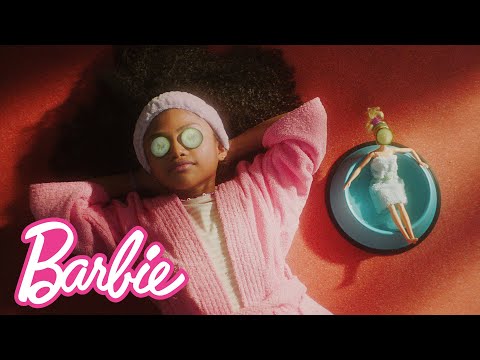
The execution follows a clean Setup-Turn-Payoff structure. The first half is the Setup: a vibrant, music-driven montage celebrating the chaotic creativity of kids. We see them cutting hair, drawing on faces, and mixing up styles. This serves to validate the audience's own experiences with the toy, creating an immediate, positive connection. It’s fun, familiar, and loud. The Turn is the ad’s sharpest moment. The music cuts, and a hand crushes a plastic milk jug which then magically reforms into a Barbie doll. This single, elegant visual redefines the entire premise. The “makeover” is no longer about a new haircut; it’s about a new material. The Payoff delivers the news with crisp on-screen text: “Introducing the first Barbie collection made from 90% recycled ocean-bound plastic.” The ad concludes with the powerful, summary tagline, “The future of pink is green,” linking the brand’s iconic color with the modern imperative of sustainability. The visual style, a mix of live-action and stop-motion, gives the ad a playful, authentic texture that feels both premium and grounded in real play. [3]
The Debrief for the marketing team is clear: when faced with a critical brand vulnerability, don’t hide from it—make it the hero of your story. Mattel successfully shifted the conversation from “Barbie is plastic waste” to “Barbie is part of the solution to plastic waste.” [4, 5] By targeting Millennial parents with a message of purpose while still appealing to kids with fun visuals, the ad works on two levels. It’s a textbook example of how a legacy brand can evolve to stay relevant in a changing cultural landscape.
Theme Keywords
Brand Position
The iconic doll that inspires limitless potential, now leading the way to a more sustainable future.
Brand Archetype
Ruler
Creative Game Plan
Co-opt the familiar childhood concept of a Barbie 'makeover' to introduce the brand's most important makeover yet: its shift to using recycled materials.
Diagnosis: Issues & Solutions
Primary Issue: Emotional Connection
The Problem:
The ad is so focused on celebrating the solution that it fails to establish the emotional stakes of the problem. The concept of 'ocean-bound plastic' is abstract, and without a visual or emotional anchor to the threat of ocean pollution, the impact of the solution feels slightly diminished and more corporate than heartfelt.
The Solution:
Before the 'switch' moment, insert a brief, beautiful, yet slightly haunting shot of a single plastic bottle floating in otherwise pristine ocean water. This would provide the 'why' and give the subsequent product reveal a much stronger emotional foundation.
Secondary Issue: Clarity of "What's Next?"
The Problem:
After successfully generating interest and announcing a new product, the ad misses the final step of telling the consumer what to do next. There is no URL, retailer information, or a clear directive to 'shop the collection,' leaving the conversion path entirely up to the viewer's initiative.
The Solution:
Add a simple, clean graphic to the final frame with a clear call-to-action, such as 'Shop the Barbie Loves the Ocean Collection' accompanied by the Barbie.com URL. This would bridge the gap between awareness and consideration.
Additional Notes
Related Links
Credits
Share this Analysis
More Barbie ad breakdowns
- Barbie | You Can Be Anything - International Women's Day 2025 | India | ADBarbie
- Charli XCX - Speed Drive (From Barbie The Album) [Official Music Video]Barbie
- Barbie | Main TrailerBarbie
- Barbie - World of Dreams | ADBarbie
- Barbie | The Album x Movie (Trailer)Barbie
- Imagine The Possibilities | @BarbieBarbie
- LEGO Rebuild the World: The Damp Knight's taleLego
- LEGO Botanicals 2025 Valentines DayLEGO