America's wild horses are under attack - Ad Analysis

AI Editor notes
Straight from the gut!!
“It's beautifully shot and the writing has a certain gravitas, but does it work? It feels heavy, almost self-important. I wonder if this somber, poetic approach inspires urgent donations or just quiet contemplation before the viewer moves on. The ambiguity of the woman—is she a real rancher, an activist, an actress?—feels like a missed opportunity to ground the story in a more concrete reality. It's playing in a very familiar sandbox for the non-profit sector.”
Quick Summary
This is a classic non-profit campaign that uses the powerful myth of the American West to create a metaphor for a social issue. By equating the plight of wild horses with a loss of our own collective freedom and spirit, the ad aims to transform a niche animal rights issue into a universal, emotional appeal for donations to protect an American ideal.
Executive Summary
Friends of Animals' 'Freedom is Under Attack' is a deliberate and well-crafted piece of advocacy advertising that leans heavily on the cultural mythology of the American West. Its core strategy is not simply to show an endangered animal, but to reframe the issue as a threat to a fundamental American value: freedom. By doing this, the organization elevates its cause from a specific animal welfare concern to a symbolic battle for the nation's soul, making the appeal broader and more profound.
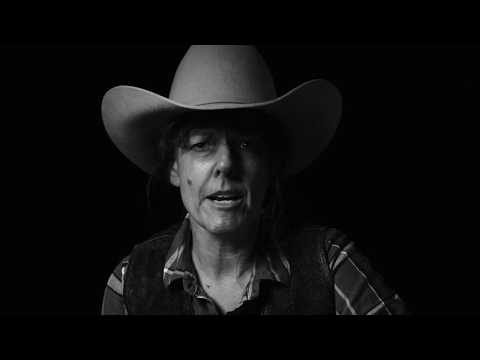
The core insight is that the image of a wild horse is inextricably linked to the American identity of independence and untamed spirit. The loss of these horses, therefore, isn't just an ecological tragedy; it's a personal loss of a dream we all share. The ad's execution follows a classic Setup-Turn-Payoff structure. The setup (0:00-0:32) establishes this powerful metaphor. Sweeping, color-saturated shots of horses are intercut with stark, black-and-white footage of a weathered woman in a cowboy hat. The narrator’s poetic opening, 'We were all wild once... unbridled and unafraid,' forges an immediate link between the viewer and the animals. This isn't about them; it's about us. The turn (0:33-0:46) comes as the narrator acknowledges this ideal feels like a 'distant memory,' a direct nod to the audience's potential cynicism or feeling of disconnect. But she immediately pivots, insisting it's 'still a reflection of our own dreams,' thereby refusing to let the viewer off the hook. The problem is cemented: this dream is fading. The payoff (0:47-1:18) is the direct and urgent call to action. Having established the stakes, the narrator implores us to 'defend the right to live wild... to save the wild horses.' The final title cards deliver the campaign's thesis—'Freedom in America is under attack'—and the clear solution: 'Donate Today.'
The debrief for this campaign would focus on its effectiveness within a specific niche. The creative team successfully created a mood piece with high production value that speaks directly to an audience that reveres the ideals of the American frontier. It's a solid, if conventional, piece of non-profit filmmaking. The strategic choice to use an anonymous but authentic-feeling 'cowgirl' figure instead of a known celebrity grounds the message in perceived reality, making it feel less like a polished ad and more like a heartfelt plea from the land itself. The ad works because it doesn't just ask for money to save horses; it asks viewers to invest in saving a piece of themselves.
Theme Keywords
Brand Position
The principled, unyielding guardian of America's wild soul.
Brand Archetype
The Rebel
Creative Game Plan
Equate the existential threat to wild horses with a direct attack on the American spirit of freedom to inspire protective action and donations.
Diagnosis: Issues & Solutions
Primary Issue: Emotional Connection
The Problem:
The ad's tone is relentlessly somber and elegiac. While this creates a sense of gravity, it risks leaving the viewer feeling contemplative but not necessarily empowered to act. There is no moment of hope or illustration of what success looks like.
The Solution:
Introduce a brief sequence showing the positive impact of the organization's work. For example, after the call to 'defend the right to live wild,' show a shot of a foal nuzzling its mother, or a previously endangered herd now thriving, to give the viewer a tangible vision of the future their donation will help create. This provides an emotional reward and makes the call to action feel more achievable.
Secondary Issue: Strategic Sense
The Problem:
The ad relies heavily on the romanticized trope of the American West, which may resonate strongly with an older demographic but could feel dated or less relevant to younger, more diverse audiences who may not share that specific cultural nostalgia.
The Solution:
To broaden the appeal, the campaign could connect the idea of 'wildness' and 'freedom' to more modern or universal contexts. For instance, intercut the horse footage with brief, evocative shots of people finding their own moments of freedom in nature—a hiker on a mountain, a swimmer in the ocean—to show that this spirit isn't confined to one historical myth.
Additional Notes
Credits
Share this Analysis
More Friends of Animals ad breakdowns
- four paws | project 2040 | tvcFour Paws
- Fondation 30 Millions d'Amis - The Cry for HelpFondation 30 Millions d'Amis
- Kristin Bauer van Straten for No-Kill Los AngelesNo-Kill Los Angeles (NKLA)
- The World's Worst SportKeep The Ban
- Uluruff CSAAMRRIC (Animal Management in Rural and Remote Indigenous Communities)
- Kevin Nealon for No-Kill Los AngelesNo-Kill Los Angeles (NKLA)
- Spot | PETA | Animals Are Not Christmas GiftsPETA