ALDI Lunchbox - Ad Analysis

AI Editor notes
Straight from the gut!!
“This is clever. It takes a real, nagging pain point for parents and blows it up into something funny and relatable. The 'shopping cart duel' is a solid visual gag. It's not trying to be epic or emotional, just smart and useful. Feels very on-brand for ALDI: no-frills, straight to the point, and focused on solving a problem to save you hassle (and money). Is an app the real answer? Maybe not, but it's a good strategic play.”
Quick Summary
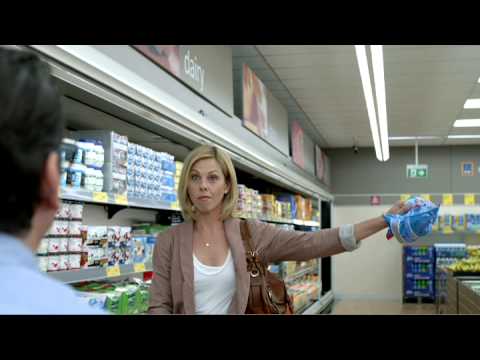
This ad successfully transforms a mundane, stressful chore—packing school lunches—into a memorable and humorous battle of wills. By exaggerating the parental frustration into a silent duel in the dairy aisle, ALDI positions its 'Lunchbox Initiative' app not just as a tool, but as a peacemaker, effectively using humor to deliver a useful, brand-building solution.
Executive Summary
ALDI's 'Lunchbox' ad is a sharp piece of problem-solution marketing that leverages humor and relatability to introduce a digital utility. Rather than just showing happy families and perfect lunchboxes, the ad focuses on the underlying tension of the task. It operates as a well-oiled machine, designed to capture a specific seasonal anxiety and channel it directly toward a branded solution.
The Core Insight here is simple but potent: for parents, the daily chore of packing a healthy, kid-approved lunchbox is a low-grade, persistent battle. It's a source of stress, negotiation, and guesswork. The ad recognizes that this isn't a life-or-death struggle, but its daily recurrence makes it a significant pain point. ALDI identifies this shared frustration and steps in not just as a grocer, but as a problem-solver.
The Execution follows a classic Problem-Solution framework, dramatized with a clever visual gag. The 'Setup' is the opening scene: a silent, tense duel between two parents in shopping carts. This immediately establishes the conflict in a visually interesting way, hooking the viewer with its absurdity. The 'Turn' occurs as the children get involved, physically pushing their parents' carts and making choices, escalating the comedic chaos and highlighting their role in the decision-making process. This visual metaphor perfectly captures the feeling of being pulled in different directions by health requirements and a child's picky tastes. The 'Payoff' is the reveal of the 'ALDI Lunchbox Initiative' app. The voiceover and on-screen text deliver the solution concisely: an app that simplifies the entire process. The final shot of the kids successfully 'driving' their parents' carts implies that the app restores harmony and gives children agency, turning a point of conflict into a collaborative activity.
The Debrief for the team would be that leveraging a universal, if minor, parental frustration with a dose of surreal humor is highly effective. The ad doesn't need to shout about low prices or product quality; instead, it builds brand equity by providing a genuinely useful tool. It demonstrates that ALDI understands its customers' lives beyond the transaction at the checkout counter. The campaign proves that utility can be a powerful marketing tool, especially when introduced in a way that is entertaining and memorable.
Theme Keywords
Brand Position
ALDI is the smart, simple, and surprisingly helpful supermarket that makes parents' lives easier.
Brand Archetype
The Everyperson/Sage
Creative Game Plan
Dramatize the mundane frustration of packing school lunches to position ALDI's new app as the simple, smart solution.
Diagnosis: Issues & Solutions
Primary Issue: Strategic Sense
The Problem:
The ad brilliantly introduces the app but stops short of showing its key benefit: generating a shopping list of ALDI products. Viewers understand the app solves the 'what to pack' problem, but the direct commercial link back to in-store purchases is only implied. The YouTube description outlines this, but the film itself could have made the connection stronger.
The Solution:
Add a 1-2 second shot showing the app generating a shopping list populated with images of ALDI's own-brand products. This would close the loop and more clearly translate the app's utility into a direct driver for store traffic.
Secondary Issue: Clarity of "What's Next?"
The Problem:
While the ad has a clear CTA to 'download the app,' it doesn't offer an immediate incentive. In the competitive app marketplace, even in 2013, asking for a download is a significant hurdle. The promise of solving the lunchbox problem is good, but a small, immediate reward could have boosted conversion.
The Solution:
Incorporate a simple offer in the end frame, such as 'Download the app and get a free [ALDI product]' or 'Your first week's lunchbox plan is on us.' This would create urgency and lower the barrier to action.
Additional Notes
Credits
Share this Analysis
More ALDI ad breakdowns
- ALDI - 60sec "Now this is Christmas" - BMFALDI
- ALDI Australia - TVC 15 Christmas Lights - Nothing Beats the Perfect Aussie ChristmasALDI
- ALDI Good Different Always On Retail - "Mandarins" - 15sALDI
- ALDI "Like Brands. Only Cheaper" - GreekALDI
- ALDI Like Brands. Only Cheaper. CockroachesALDI
- ALDI Like Brands. Only Cheaper. Pasta SauceALDI
- ALDI - Like Brands. Only Cheaper - VampireALDI
- ALDI - Surfin' SantasALDI