A Hope Story | Lung Cancer Screening - Ad Analysis

AI Editor notes
Straight from the gut!!
“The animation is beautiful, almost like a moving painting. It’s a smart way to handle a heavy topic without resorting to fear-mongering. The core strategic flip—'you did the hard part, now do the easy part'—is clever. But is getting a potential cancer diagnosis ever 'easy'? It feels like a necessary oversimplification to get people over the initial hurdle of making the call.”
Quick Summary
This PSA's core achievement is reframing a terrifying medical test into an accessible, hopeful, and logical next step. By positioning the lung cancer scan as the 'easy part' compared to the 'hard part' of quitting smoking, it empowers former smokers to complete their health journey, transforming fear into a proactive step toward the future they've earned.
Executive Summary
This 'A Hope Story' PSA is a masterclass in tackling a sensitive health issue with grace and strategic intelligence. Instead of leveraging fear, which can cause audiences to tune out, the Ad Council and Hill Holliday chose empathy. The campaign is built on a sharp understanding of the target audience: former smokers who are proud of having quit but live with a nagging fear of the damage already done.
The Core Insight here is that for someone who has conquered the monumental challenge of quitting smoking, the fear of what a lung scan might reveal is the final, paralyzing barrier. They've won the war, but are afraid to confirm the peace. The ad honors their past struggle while gently nudging them toward the final step.
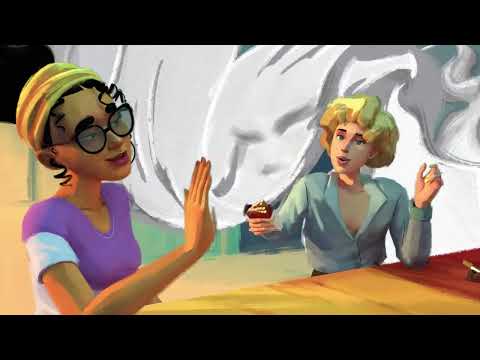
The Execution follows a classic Setup-Turn-Payoff structure, visualized through a beautiful, painterly animation style. The Setup (0:00-0:12) establishes the protagonist’s past, literally haunted by the smoke from her cigarettes. The visuals are muted, and the music is melancholic. The smoke isn't just smoke; it's a character, a physical manifestation of her addiction and anxiety that follows her everywhere. This visual metaphor is the ad's strongest creative device. The Turn (0:13) is signaled by the voiceover: 'You've done the hard part. You quit smoking.' At this moment, the visuals brighten, the music swells with optimism, and the protagonist begins to run, physically leaving the cloud of smoke behind her. This shift reframes the narrative from one of struggle to one of victory. The Payoff (0:16-0:26) presents the lung scan not as a frightening medical procedure, but as the 'easy part.' The clinical environment of the CT scanner is rendered in soft, warm colors, and the final scene of the protagonist as a healthy grandmother with her grandchild provides the ultimate emotional reward. This is the life she fought for when she quit; the scan is simply the key to unlocking it.
The Debrief for the creative and strategy teams is clear. First, for sensitive topics, emotional resonance often beats rational argument or fear-based tactics. Second, reframing the audience's perceived obstacles is a powerful strategic tool. By calling the scan the 'easy part,' the ad minimizes the psychological barrier to entry. Finally, the choice of animation was critical. [5] It allowed the creators to build a story that felt universal and timeless, avoiding the potential for viewers to dismiss a live-action actor as 'not like me,' while also handling the passage of time and the abstract concept of the 'smoke demon' with visual elegance.
Theme Keywords
Brand Position
The trusted, authoritative guide for proactive health decisions.
Brand Archetype
Caregiver
Creative Game Plan
Reframe the dreaded lung cancer scan from a terrifying medical unknown into an easy, empowering final step to secure the healthy future you've already earned by quitting smoking.
Diagnosis: Issues & Solutions
Primary Issue: Emotional Connection
The Problem:
The beautiful, almost dreamlike animation style, while a major strength, risks creating a slight emotional distance for some viewers. The story might feel more like a lovely fable than a gritty, relatable reality, potentially softening the urgency for an audience accustomed to harsher medical messaging.
The Solution:
To bridge this gap without losing the hopeful tone, the final payoff shot could have momentarily transitioned from animation to a live-action shot of a real grandmother and grandchild laughing, directly connecting the animated journey to a tangible, human outcome.
Secondary Issue: Strategic Sense
The Problem:
The campaign smartly targets former smokers, but this group may have 'health fatigue' and believe they've already done their part. The ad's gentle approach might not be enough to break through the inertia of someone who has put their smoking past behind them and doesn't want to revisit it.
The Solution:
The media placement for this spot is paramount. It must be hyper-targeted to contexts where health is top-of-mind, such as during health-related programming, in doctors' office waiting rooms, or via data-driven digital ads targeting consumers with relevant health histories or interests.
Additional Notes
Related Links
Credits
Share this Analysis
More American Lung Association ad breakdowns
- Rhode Island Department of Health | StayingHome™Rhode Island Department of Health
- Vaccinate Already? | 您打疫苗没?(Chinese)Gov.sg
- "Reflections" UU4VE Vaccination PSAUrologists United For Vaccination Education
- The Breath HolderThe Cancer Society of Finland
- AFCON 2023 TV spot to promote routine immunization and COVID-19 vaccination (Nigeria, Pidgin)Team Vaccine
- Fall in with an active crowd.ParticipACTION
- Size MattersFuck Cancer
- CNCT national commitee against tobacco: The weight of tobaccoCNCT (Comité National Contre le Tabagisme)