1991: Bajaj Sunny Zip - Ad Analysis

AI Editor notes
Straight from the gut!!
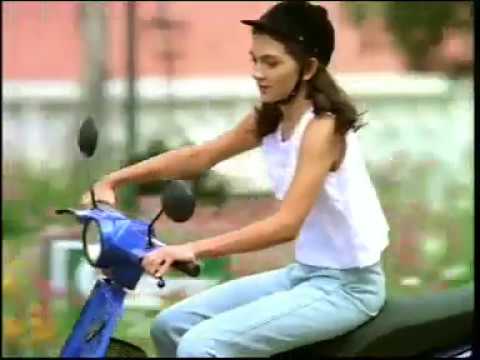
“This is a time capsule. It's so earnest and sweet. The whole 'battle of the sexes' played out over a scooter feels very of-its-time. He 'teaches' her, but she immediately takes control and leaves him in the dust. It's a simple, effective way to say 'it's so easy, she can do it instantly'. The whole thing is basically a music video, which was a very popular format back then. Solid, memorable work for its era.”
Quick Summary
This ad successfully positioned the Bajaj Sunny as more than just a vehicle; it was a ticket to freedom and independence for young Indians in the early 90s. By wrapping the scooter in a charming, boy-meets-girl narrative set to a catchy English jingle, it sold an aspirational lifestyle, making the product synonymous with youthful fun and ease, a smart move to capture the emerging market of college students and young adults.
Executive Summary
The 1991 Bajaj Sunny Zip commercial is a masterclass in lifestyle marketing from an era when India was on the cusp of economic liberalization. It understood that for its target audience—teenagers and young adults—a scooter wasn't just about transportation; it was a symbol of burgeoning freedom, romance, and modernity. The ad sidesteps the mechanical aspects of the vehicle almost entirely, focusing instead on weaving the product into a universally relatable story.
The Core Insight here is that true freedom is simple and fun. For a generation that was largely dependent on family or public transport, the ability to just get up and go was a powerful fantasy. The ad taps directly into this desire for personal mobility and the independence it represents, framing the scooter as the key enabler of this new-found liberty.
The Execution follows a classic Lifestyle/Aspirational narrative structure. It’s essentially a short, romantic music video. The setup establishes a playful dynamic between a young man and woman. He, positioned as the 'expert', shows her how to use the scooter. The 'turn' happens when she, instead of being a passive learner, immediately grasps the controls and speeds off, cheekily leaving him behind. This moment is the core of the ad's message: the Sunny is so simple to operate that mastery is instant, flipping traditional gender expectations in a lighthearted way. The payoff sees the couple reunited, now equals on the scooter, riding off together. This narrative is powered by a memorable English pop jingle, a strategic choice to lend the brand a modern, cosmopolitan feel that appealed to the aspirational youth of the 90s. The final tagline, 'Easy come. Easy go.', perfectly encapsulates both the product's ease of use and the carefree spirit of the ad.
The Debrief for any team watching this today is the power of selling a feeling, not just a feature. Bajaj wasn't just launching a scooter; it was launching an identity. [1] The campaign understood that the 'job-to-be-done' for a young person wasn't just to get from point A to B, but to feel independent and cool while doing it. The ad's success proves that when your product enables a powerful emotional outcome, leading with that emotion is far more effective than leading with the product itself. The choice of an English jingle, the aspirational setting, and the focus on a relatable human story were all deliberate elements designed to build a brand, not just move units.
Theme Keywords
Brand Position
The fun, simple, and stylish first ride to freedom.
Brand Archetype
The Innocent: The brand embodies a sense of simple, carefree joy and optimism.
Creative Game Plan
Frame the scooter as the essential accessory for a fun, free, and modern youthful lifestyle.
Diagnosis: Issues & Solutions
Primary Issue: Strategic Sense
The Problem:
The ad's greatest strength—its timeless, brand-building focus—is also its biggest vulnerability in a modern context. It relies entirely on charm and vibe, with zero product information (like mileage, price, or unique features) that a contemporary, digitally-savvy consumer might expect.
The Solution:
A modern equivalent would need to retain the emotional core but could integrate subtle proof points. For instance, a quick, elegant graphic overlay showing '60 km/L' as she rides away, or ending with a QR code leading to a customization tool, would bridge the gap between brand love and practical consideration without ruining the mood.
Secondary Issue: Emotional Connection
The Problem:
The romantic narrative, while charming for its time, might be perceived as slightly dated or cliché by a Gen Z audience. The 'boy teaches girl' setup, even when subverted, feels like a trope from a bygone era.
The Solution:
To update this, the story could start with her already being an expert rider, perhaps picking him up, or frame the story around friendship and adventure rather than pure romance. This would shift the emotional focus from a simple love story to a broader narrative of empowerment and shared experiences.