1985: Hero Honda CD100 - Young Salman Khan - Ad Analysis

AI Editor notes
Straight from the gut!!
“This is a fantastic piece of history. It’s earnest, unbelievably simple, and the jingle is a certified earworm. Seeing a baby-faced Salman Khan before he became *the* Salman Khan is a trip. The strategy is so direct it’s almost jarring today: efficiency vs. style. The twist? You get both! It feels a bit like a school play by modern standards, but for 1985 India, this was likely the coolest thing on TV.”
Quick Summary
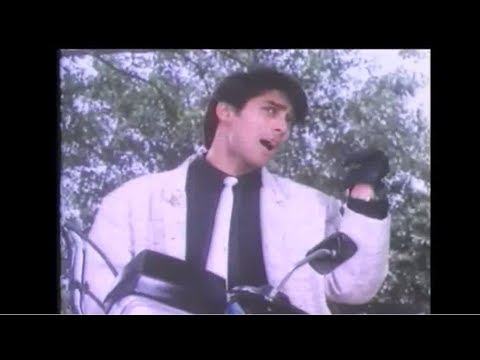
This 1985 ad campaign launched a legend, the Hero Honda CD100, and marked the public debut of a future superstar, Salman Khan. [7, 10] It brilliantly established the bike as the definitive choice for young Indian men by framing it as the solution to a core dilemma: the desire for modern style versus the need for pragmatic fuel efficiency. [12] The simple, memorable 'What a bike!' tagline and jingle cemented its place in Indian advertising history.
Executive Summary
This 1985 commercial for the Hero Honda CD100 is more than just a vintage ad; it's the foundational document for what would become one of the most successful products in Indian automotive history. Featuring a pre-fame Salman Khan, the ad's brilliance lies in its strategic simplicity, using a classic comparison framework to introduce a product that would redefine the country's motorcycle market. [10] At a time when Indian roads were dominated by heavy, fuel-guzzling 2-stroke bikes, the CD100 offered a revolutionary proposition: a lightweight, 4-stroke engine that delivered unprecedented fuel economy without sacrificing modern style. [12, 13]
The core insight driving the campaign is the fundamental tension within the young, aspirational Indian consumer of the 1980s: the pragmatic need for affordability and low running costs versus the universal desire for social status and style. The ad recognizes that a motorcycle is both a tool and a trophy. The execution tackles this head-on. The setup establishes a friendly rivalry between two friends, Sunny and Bunty, who each claim their bike is the best—one for being the 'most efficient,' the other for being the 'finest looking.' The narrative then proves both claims correct through simple vignettes: a 400km journey to Delhi demonstrates efficiency, while effortlessly impressing a pair of twins showcases its style. [11] The payoff is the revelation that they are both championing the same motorcycle. This resolves the consumer's internal conflict perfectly: with the Hero Honda CD100, you don't have to choose between being smart and being cool. The concluding tagline, 'Hero Honda. What a bike!', isn't a question but a confident declaration of its all-encompassing superiority.
The lasting lesson from this work is the power of a clear, benefit-driven message. The ad didn't get lost in abstract lifestyle imagery; it focused relentlessly on solving a problem. It identified the two most important purchasing drivers, dramatized them in a simple story, and positioned the product as the single, ideal solution. This campaign, along with the famous 'Fill it, Shut it, Forget it' slogan that followed, laid the groundwork for Hero Honda's decades of market dominance. [7, 13]
Theme Keywords
Brand Position
The smartest, most reliable choice for the modern Indian rider, delivering an unbeatable combination of fuel economy and style.
Brand Archetype
The Everyman
Creative Game Plan
Resolve the consumer's dilemma of choosing between a practical, fuel-efficient motorcycle and a stylish, desirable one by revealing the Hero Honda CD100 is both.
Diagnosis: Issues & Solutions
Primary Issue: Strategic Sense
The Problem:
The ad's structure, being a compilation of two or three different spots, makes the narrative slightly fragmented. The switch between the 'efficiency' story with racing jackets and the 'style' story with blazers is abrupt, making it clear they are separate concepts combined into one montage.
The Solution:
A more powerful execution would have been to integrate the two benefits into a single narrative. For instance, showing that the money saved from the bike's superior mileage directly enables the riders to afford the cool lifestyle (better clothes, more outings) would have created a stronger, more cohesive story.
Secondary Issue: Clarity of "What's Next?"
The Problem:
By modern standards, the ad lacks a direct call to action. It generates significant desire but doesn't explicitly tell the viewer what to do with that feeling, such as 'Visit your nearest dealer' or 'Test ride one today.'
The Solution:
Even for its time, a simple end-card with a call to action could have helped convert the high interest generated by the ad into immediate dealership footfall, shortening the path from awareness to purchase.