ZDF History / Kennedy - Ad Analysis

AI Editor notes
Straight from the gut!!
“For a moment, I was completely fooled. I thought it was a real documentary outtake. The bait-and-switch from what seems like an actual eyewitness to revealing it's just a viewer is a masterstroke. It's so simple it hurts. Why just tell people your documentaries are immersive when you can show them the emotional aftermath? This is how you sell a feeling, not a product.”
Quick Summary
This campaign's power comes from selling the *feeling* of history, not just the facts. It brilliantly transforms the passive act of watching a documentary into an active, visceral, first-person experience, making the brand promise—"As if you'd experienced it yourself"—tangible and unforgettable.
Executive Summary
This campaign from Serviceplan for ZDF History is a masterclass in strategic insight and creative execution. It fundamentally understands that the goal of a history channel isn't just to recount facts, but to make the past resonate on a human level. The core insight is that great storytelling doesn't just inform; it transports. People crave a connection to history that feels personal, not academic.
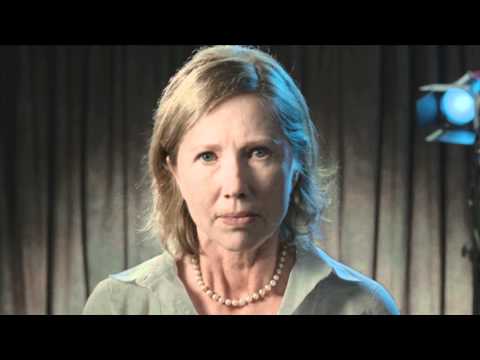
The execution uses a classic Setup–Turn–Payoff structure to perfection. The Setup (0:00-0:29) meticulously crafts the illusion of a genuine documentary testimonial. We see a woman, styled to evoke Jacqueline Kennedy, in a setting typical of historical interviews. Her initial reminiscence of a happy day in Dallas lulls the audience into accepting the premise: we are watching an eyewitness. This phase is crucial for the devastating impact of the Turn (0:30-2:22). The sudden shift in tone, marked by the sound of a 'backfire,' plunges the viewer into the chaos of the assassination. The actress's performance is the centerpiece; her shift from gentle nostalgia to raw panic and grief is utterly convincing. By narrating from a first-person perspective—'I climb onto the car's trunk,' 'John, I love you'—she forces the viewer to experience the event through her eyes. The camera remains fixed on her face, making her emotional breakdown inescapable. The Payoff (2:23) is the strategic masterstroke. After the harrowing monologue, the tagline 'As if you'd experienced it yourself' appears. This single line re-frames everything: she wasn't there, she just watched a ZDF History documentary. The ad isn't about the JFK assassination; it's a product demonstration of the most powerful kind, showing the profound emotional effect of the channel's programming.
The debrief for any team studying this work is simple: show, don't tell. ZDF could have made a standard trailer with archival footage and a dramatic voiceover. Instead, they chose to demonstrate the effect of their product on the viewer. It's a brave strategy that uses a well-known historical tragedy not for shock value, but to prove a point about the power of immersive storytelling. The campaign establishes ZDF History not as a library of facts, but as a time machine for the soul.
Theme Keywords
Brand Position
The destination where history is not just watched, but felt.
Brand Archetype
The Magician (transforming perception) combined with The Sage (providing deep knowledge).
Creative Game Plan
Demonstrate the immersive power of our documentaries by showing a viewer so absorbed that she recounts a historical event as if she lived it.
Diagnosis: Issues & Solutions
Primary Issue: Strategic Sense
The Problem:
The ad's reliance on a single, long-form narrative makes it exceptionally powerful but difficult to adapt to shorter formats without losing the core 'reveal' mechanism that makes it work.
The Solution:
For shorter digital placements, the creative would need a fundamental rethink. A 15-second version could potentially start with the intense emotional peak and immediately cut to the tagline, trading the slow-burn suspense for immediate intrigue and shock value.
Secondary Issue: Clarity of "What's Next?"
The Problem:
As a pure brand-building piece, the ad intentionally omits a direct call to action. It creates a powerful feeling but leaves the viewer to figure out how to act on it.
The Solution:
A simple, unobtrusive graphic in the final frame (e.g., 'New documentaries weekly') could have provided a clearer path for engaged viewers without diluting the artistic purity of the spot.