Wise Secret Wife - Ad Analysis

AI Editor notes
Straight from the gut!!
“It's a smart bit. The bait-and-switch from a cheating drama to a fintech ad is well-executed and memorable. It doesn't waste time explaining the 'why'; it just attacks the 'how'. This is a classic challenger brand move, punching up at the big, dumb banks. The deadpan delivery is solid and the whole thing feels native to a social media feed. I'd watch the whole thing if it popped up.”
Quick Summary
This ad uses a classic soap opera trope—infidelity—as a clever misdirect to land a simple product message: using old-school banks for international money transfers is a dumber move than getting caught cheating. By having the two 'wives' unite over the husband's poor financial choice rather than his disloyalty, Wise memorably positions itself as the only rational option for sending money abroad, effectively shaming the competition.
Executive Summary
This Wise commercial is a sharp, effective piece of advertising that understands a fundamental truth of the internet age: you have to earn the viewer's attention. It does so not by being loud or flashy, but by being clever.
The Core Insight: The simple human truth at the heart of this ad is that people hate feeling foolish, especially with their money. The pain of being ripped off by an opaque system can be more irritating than a major personal transgression. The ad brilliantly equates using a traditional bank for an international transfer with an act of profound stupidity, making the brand, Wise, feel like the obviously intelligent choice.
The Execution: The ad follows a classic Setup-Turn-Payoff structure, executed with sitcom precision.
-
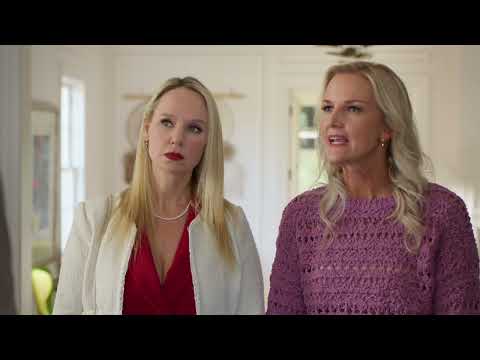
The Setup (0:00-0:06): We are dropped into a familiar, high-drama scenario. A wife confronts her husband with evidence of infidelity. The conflict is immediately recognizable: a cheating husband sending money to a secret lover. The doorbell rings, and the 'other woman' arrives, escalating the tension. The audience is hooked, expecting a dramatic confrontation.
-
The Turn (0:07-0:18): This is where the ad's genius lies. The conflict pivots entirely. The two wives aren't rivals; they're allies, united in their disgust not at the husband's infidelity, but at his financial incompetence. The secret wife's line, 'What an imbecile,' isn't about him cheating; it's about him using a bank to do it. The problem is reframed: the villain isn't the man, but the 'cheaters'—the banks that are slow and hide fees. This subversion of expectations is both funny and makes the marketing message land with surprising force.
-
The Payoff (0:19-0:31): With the problem established as 'using a bad service,' the first wife delivers the solution: the Wise app. She clearly articulates the two key benefits—it's 'faster' and 'they don't hide fees.' The husband’s final lament, 'It’s the betrayal that hurts the most,' is a perfect comedic button, as he's now sympathizing with being cheated by his bank. The ad closes with the sharp, memorable tagline, 'Be Smart, Get Wise,' directly linking the brand to the intelligence the husband so clearly lacks.
The Debrief: The key lesson here is the power of misdirection. By creating a compelling narrative hook based on a universal human drama, the ad buys itself the time to deliver a straightforward product message. The humor makes the message sticky. Viewers will remember the 'secret wife' scenario and, by extension, will recall that Wise is the 'smart' alternative to the 'dumb' banks. It’s a textbook example of how to make a potentially dry subject—financial services—entertaining and memorable.
Theme Keywords
Brand Position
Wise is the faster, cheaper, and more transparent way to send money internationally.
Brand Archetype
The Sage
Creative Game Plan
Dramatize the absurdity of using outdated financial systems by making it seem more foolish than getting caught in a scandalous love triangle.
Diagnosis: Issues & Solutions
Primary Issue: Emotional Connection
The Problem:
The ad's humor is built on a single, well-executed joke. While this makes it memorable, it creates a sense of detached amusement rather than a stronger, more relatable brand affinity. The characters are archetypes, not people.
The Solution:
Add a single, quick shot that shows a real-world consequence of the husband's financial mistake. For example, after the wife says banks are slow, cut to a flashback of the 'secret wife' in London looking disappointed at a birthday party because her money didn't arrive on time. This would ground the problem in a more relatable human experience.
Secondary Issue: Strategic Sense
The Problem:
The campaign is highly effective for those already familiar with the pain of international bank transfers, but it might be less persuasive for newcomers. It assumes a base level of knowledge about the problem.
The Solution:
Incorporate a more specific, quantifiable pain point into the dialogue. Instead of just 'slow and hide fees,' a line like, 'He wasted $50 in hidden fees on that transfer. We could have had a nice dinner!' would make the problem more tangible for a broader audience.