WINNING ISN’T FOR EVERYONE | KIMIYA ALIZADEH - Ad Analysis

AI Editor notes
Straight from the gut!!
“This is Nike getting its edge back. It's a welcome departure from the feel-good, 'everyone's a winner' stuff that's been floating around. The story is genuinely heavy. She lost her country, her rights—this isn't just about losing a match. It makes the final line about wanting to win feel earned and incredibly powerful. It's uncomfortable in a good way and reminds you what the brand stands for when it's at its best.”
Quick Summary
This ad strips away the typical glory of sports advertising to focus on the brutal cost of ambition. By using the raw, authentic story of refugee athlete Kimiya Alizadeh, Nike crafts a powerful and unforgettable statement: true winning isn't about trophies, but about the unbreakable will to compete after having lost everything else. It's a sharp, focused piece of brand storytelling that reinforces Nike's core identity.
Executive Summary
Nike's 'Winning Isn't For Everyone' spot featuring Kimiya Alizadeh is a masterclass in narrative efficiency and emotional gravity. In just thirty seconds, it eschews the celebratory tone of most sports advertising for something far more stark and powerful. This ad isn't about the glory of the finish line; it's about the brutal cost of getting to the start. It serves as a potent individual story within Nike's broader 2024 Olympic campaign, which aims to reclaim the brand's 'bold and irreverent' voice by focusing on the unapologetic, often harsh, mindset of elite competitors. [3, 6]
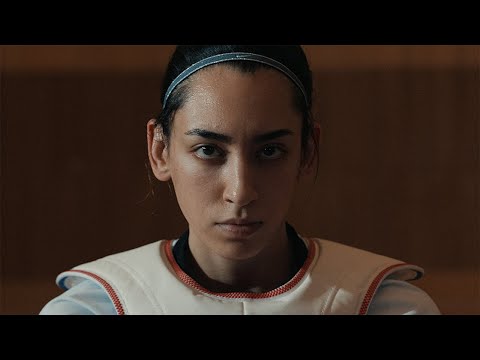
The execution follows a classic Setup-Turn-Payoff structure. The Setup is the quiet, somber visual of Alizadeh preparing in an empty gym. This visual language, paired with her opening line, 'I've lost a lot,' immediately establishes a tone of serious reflection, not hype. The ad then systematically builds on this foundation, escalating the nature of her loss. It moves from the expected sacrifices of an athlete—'fights,' 'sleep,' 'hours on the mat'—to something far more profound. The Turn happens when the script transcends sport and enters the realm of human rights: 'I've lost my voice. Lost my rights. I lost my country.' This is the moment the ad becomes unforgettable. It leverages the true story of Alizadeh, an Iranian refugee athlete, to give the narrative an authenticity and weight that fictional storytelling could never achieve. [7] The sounds of sharp, violent kicks puncturing the somber voiceover create a jarring contrast between her calm focus and the fight she's endured, both on and off the mat.
The Payoff is delivered with piercing intensity. After listing all she has surrendered, she reveals the one thing she retains: 'how bad I want to win.' This isn't a desire for fame or fortune; it's presented as the last, unbreakable core of her identity. The final, direct gaze into the camera transforms her from a subject into a challenger, forcing the audience to confront the depth of her will. The tagline, 'Winning Isn't For Everyone,' lands not as a boast, but as a solemn acknowledgment of the profound sacrifices required. For the brand, the Debrief is clear: Nike reasserts its ownership of the high-performance mindset. The learning is that in a crowded market, returning to a core, unapologetic brand truth—even if it's uncomfortable—is more powerful than trying to be everything to everyone. This spot demonstrates that the most potent brand stories are often the most specific and human ones.
Theme Keywords
Brand Position
Nike is the brand that understands and champions the ferocious, uncompromising mindset of the world's most dedicated athletes.
Brand Archetype
Hero
Creative Game Plan
Tell the most powerful story of loss possible to redefine the meaning and value of winning.
Diagnosis: Issues & Solutions
Primary Issue: Emotional Connection
The Problem:
The ad's profound story of losing one's country and rights is so powerful that it almost eclipses the brand. A viewer could be so struck by Kimiya's personal tragedy and resilience that the commercial message from Nike feels secondary or even slightly parasitic.
The Solution:
A potential improvement isn't in the film itself, which is excellent, but in the surrounding digital ecosystem. Ensure that clicking through leads to content that honors her full story, perhaps a longer-form documentary or a partnership with a refugee foundation, to make the brand's involvement feel more like genuine support than opportunistic storytelling.
Secondary Issue: Strategic Sense
The Problem:
The campaign's tagline, 'Winning Isn't For Everyone,' while edgy and memorable, risks alienating the mass market of casual athletes who form the bulk of Nike's customer base. The message could be perceived as elitist or exclusionary.
The Solution:
Mitigate this risk by ensuring other elements of the broader marketing mix continue to celebrate participation and the everyday athlete. This 'hardcore' message works for a pillar campaign like the Olympics, but it needs to be balanced with more inclusive messaging to avoid shrinking the brand's perceived accessibility.