Wine Stories - Ad Analysis

AI Editor notes
Straight from the gut!!
“This is the kind of work that makes you jealous as a strategist. It's a 'Trojan Horse' campaign. Instead of trying to bend or break the rules, they just decided to play an entirely different game. Turning the brand into a film studio is a brilliant, high-concept solution to a very real, bottom-line problem. It's less about advertising and more about intellectual property jujitsu. Very, very smart.”
Quick Summary
Faced with a legal ban on TV advertising, Teperberg Winery and its agency didn't just create a new ad; they created a new product—a feature film. By rebranding the winery as 'Teperberg Productions,' they created a legitimate piece of entertainment they could legally promote with TV trailers, which prominently featured their wine. This strategic sidestep is a masterclass in turning a crippling restriction into a creative and commercial triumph.
Executive Summary
This campaign from McCann Tel Aviv for Teperberg Winery is a textbook example of how a severe limitation can become the catalyst for truly innovative work. It's a case study in strategic thinking, demonstrating a pivot from conventional advertising to sophisticated branded entertainment. The core of its success lies not in a clever tagline, but in a fundamental re-imagining of the brand’s role from a product manufacturer to a content producer.
The Core Insight: The central insight here is not about the consumer, but about the system. When Israeli regulations shut the door on traditional TV advertising for alcohol, the team realized the rules applied to commercials, not to cultural products like movie trailers. [4, 8, 11] The human truth they leveraged is that audiences are inherently receptive to good stories. While people build defenses against ads, they actively seek out entertainment. The brand understood that if they could create legitimate entertainment, they could earn their way back onto the very screens they were banned from.
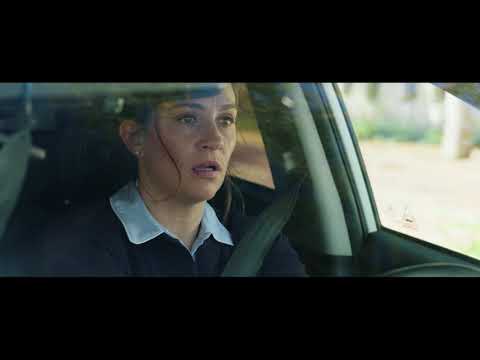
The Execution (Problem-Solution-Proof): The campaign follows a simple, powerful narrative. The Problem is established immediately: a 2015 regulation blocked wine ads on TV, severing Teperberg from its most effective channel for mass awareness. The Solution was elegant and audacious: they created 'Teperberg Productions' and financed a full-length feature film, 'Wine Stories,' composed of three shorts by respected directors. This transformed their marketing challenge. They were no longer selling wine; they were promoting a film. The Proof is in the results of this strategic shift. By creating a legitimate cinematic product, they were able to run TV trailers that, by necessity, featured the film's central themes—family, relationships, and, of course, Teperberg wine. The campaign extended beyond TV, with a cinema premiere, national screenings, and significant press coverage, culminating in a reported 120% increase in brand awareness and a 56% increase in sales. The final, cheeky tagline—'Thank You, Regulation'—perfectly encapsulates the cleverness of the entire endeavor.
The Debrief: The key takeaway is that the most powerful solutions often live outside the traditional advertising toolbox. This wasn't about making a better 30-second spot; it was about changing the context of the conversation entirely. For any brand operating in a 'dark market' (one with heavy advertising restrictions), this serves as a powerful blueprint. The lesson is to stop focusing on the ad itself and start thinking about creating cultural artifacts—be it a film, a podcast, or an event—that can be promoted in their own right, carrying the brand along for the ride.
Theme Keywords
Brand Position
The winery that understands and shares the real stories of life.
Brand Archetype
Creator
Creative Game Plan
Outsmart advertising regulations by becoming a legitimate film studio.
Diagnosis: Issues & Solutions
Primary Issue: Strategic Sense
The Problem:
The campaign's brilliance lies in its novelty, but this also presents a challenge for sustainability. The 'winery becomes a film studio' concept is a one-time masterstroke. Replicating it would yield diminishing returns as the surprise factor wears off.
The Solution:
Evolve the concept from a single event into a recurring platform. Instead of 'Wine Stories: The Movie,' launch the 'Teperberg Short Film Fund' or an annual 'Wine Stories Festival,' cementing the brand's role as a patron of the arts rather than a one-off producer.
Secondary Issue: Clarity of "What's Next?"
The Problem:
The connection between watching the film and purchasing the wine is indirect. The campaign excels at building top-of-funnel awareness but could be stronger at linking the brand experience to a purchase occasion.
The Solution:
Create a stronger bridge between content and commerce. Implement on-premise activations, such as partnering with restaurants for 'Dinner and a Movie' nights featuring Teperberg wines, or using QR codes on bottles to unlock exclusive behind-the-scenes content from the films.
Additional Notes
Related Links
Credits
Share this Analysis
More Teperberg Winery ad breakdowns
- Share in the Creation of BeyerskloofBeyerskloof
- Introducing the Elizabeth Banks Book Club from Archer Roose 📚 | Archer Roose WinesArcher Roose
- Casillero del Diablo - The Wine Legend - Full Version - EnglishCasillero del Diablo
- Columbia Crest - Juan & Juan on Spring BreaksColumbia Crest
- Award Winning WinesMorrisons
- Chateau Ksara's Original Story - The Monks (English Sub)Chateau Ksara
- DAf - Casillero del Diablo - The Wine Legend TrailerCasillero del Diablo
- The [yellow tail] Wine Orchestra Players[yellow tail]