Wicked: For Good - Imagine That - Ad Analysis

AI Editor notes
Straight from the gut!!
“This is a flex. It's the kind of ad you can only make when you own the movie studio. Using Goldblum as 'The Wizard' is a perfect, almost too-obvious move, but it works. Is linking Wi-Fi to the magic of Oz a bit of a strategic leap? Yes. Does the sheer scale, charm, and emotional power of the execution make you forget that? Also yes. It's borrowing a colossal amount of brand equity from the film, but it's done with impressive style.”
Quick Summary
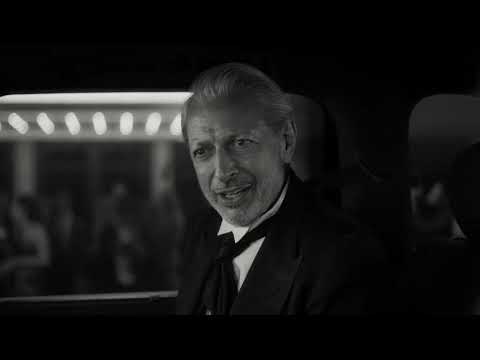
Xfinity leverages its parent company's (Comcast/Universal) ownership of a massive cultural event—the 'Wicked' movie—to frame its technology not as a boring utility, but as the source of everyday magic. By casting Jeff Goldblum as his actual movie character, the ad transforms the mundane tasks of home security, Wi-Fi, and entertainment into a wondrous, cinematic experience through the eyes of a child.
Executive Summary
This Xfinity spot is a textbook example of how a market leader with deep pockets and synergistic assets can create an unassailable piece of brand advertising. By integrating with its parent company's blockbuster film, 'Wicked: For Good,' Xfinity moves beyond the typical speeds-and-feeds messaging of the telecom category and into the realm of pure, emotional storytelling. The ad operates on a simple, effective insight: the best technology is indistinguishable from magic. For a child, a father who can control the world around him with a small black rectangle isn't just using a smart device; he's a wizard. [5]
The execution uses a classic Setup-Turn-Payoff structure, amplified by the famous black-and-white-to-color transition from 'The Wizard of Oz.' The Setup (0:00-0:17) shows Jeff Goldblum and his son leaving the 'Wicked' premiere, the magic seemingly ending as they return to a monochrome 'regular life.' This creates a relatable moment of post-experience melancholy. The Turn (0:18-0:53) is the ad's core pivot. Goldblum uses his phone, powered by Xfinity Mobile, to play the film's soundtrack. This one action transforms their reality: the car drives itself down a yellow brick road, the world floods with color, and the ordinary journey home becomes a magical extension of the movie. The Payoff (0:54-1:37) reveals the 'magic' is Xfinity's product ecosystem. The protective 'bubble' around the house is Xfinity Home security. The clear video call is the reliable Wi-Fi. Goldblum's ability to transform the living room with a voice command is the Xfinity remote. Each feature is presented not as a technical spec but as a 'spell' cast by The Wizard. The narrative culminates with father and son enjoying the very entertainment that inspired their journey, bringing the brand's role full circle.
The debrief for the team is clear: when you have an exclusive cultural asset, go all in. Xfinity didn’t just license a song; they integrated the film's star, director, composer, and visual effects team. [4, 5, 6] This level of authentic integration is what elevates the campaign from a simple tie-in to a genuine piece of entertainment. While it may be light on specific product claims, its power lies in cementing Xfinity as a premium brand that delivers not just connectivity, but wonder.
Theme Keywords
Brand Position
Xfinity is the magical platform that seamlessly connects your family to each other and the world of entertainment.
Brand Archetype
The Magician
Creative Game Plan
Equate the seamless, integrated experience of the Xfinity ecosystem with the wonder and magic of a beloved cinematic world.
Diagnosis: Issues & Solutions
Primary Issue: Strategic Sense
The Problem:
The ad does such a good job of selling the 'Wicked' universe that the Xfinity product suite can feel like a secondary character. By demonstrating so many features—mobile, security, Wi-Fi, voice remote, entertainment platform—it risks a 'kitchen sink' effect where no single product benefit truly lands with force.
The Solution:
Simplify the narrative to hinge on one core 'magical' benefit. For example, focus entirely on the seamless ecosystem—how the connection follows you from the car (mobile) to the home (Wi-Fi) to the couch (entertainment)—rather than itemizing each service as a separate 'trick'.
Secondary Issue: Clarity of "What's Next?"
The Problem:
The ad is built to generate feeling, not action. The 'Imagine That' tagline is aspirational but passive, and the final offer of a '5-year price guarantee' feels like a functional footnote tacked onto an epic emotional story, creating a slight tonal mismatch.
The Solution:
Integrate the call to action more thematically. Instead of a standard price guarantee graphic, a line like 'The Magic of Wicked. The Reliability of Xfinity.' could bridge the emotional narrative with the brand promise more smoothly, even if it remains a soft sell.