Watermarks for Water - Getty Images - Ad Analysis

AI Editor notes
Straight from the gut!!
“This is smart. Really smart. They took the one thing everyone hates—the watermark—and made it the hero. Instead of some generic CSR campaign, they found a hook that only they could use. It connects their product directly to the solution. It's a bit self-congratulatory, but it works because the central idea is so solid. I just wonder how many people actually licensed a photo versus just sharing it.”
Quick Summary
This campaign cleverly transforms Getty's most intrusive brand element—the watermark—from a barrier into a solution. By linking the commercial act of removing the watermark (licensing a photo) to the charitable act of purifying water, it creates a simple, powerful, and ownable mechanism for doing good, perfectly aligning the company's core business with a social cause.
Executive Summary
Getty Images’ “Watermarks for Water” is a masterclass in turning a brand’s most functional—and often resented—asset into a vehicle for social good. It’s a campaign that operates on a simple, elegant piece of creative judo: transforming the watermark from a symbol of protection and restriction into one of action and purification. This moves the brand beyond just supplying images and into the realm of creating tangible impact.
The Core Insight: The campaign is built on a powerful, dual insight. The first is about the brand itself: for creatives, the Getty Images watermark is a necessary evil, an impurity that must be removed (by paying) to get to the clean image underneath. The second is a stark human truth: for millions, the true impurity isn't a digital mark but the water they drink. The genius of the campaign, developed with agency FCB Chicago, is connecting these two seemingly unrelated concepts into a single, cohesive narrative. [4, 8] It posits that the simple, everyday commercial act of licensing a photo can have a profound real-world effect.
The Execution: The ad follows a classic Problem-Solution structure, framed by a documentary-style narrative.
- Setup: It opens by establishing the emotional power of photography, using quotes from its own photographers and showcasing iconic images. This grounds the ad in Getty’s core identity as a purveyor of world-changing visuals. It asks the audience to consider the potential of a photograph, setting a noble, aspirational tone.
- Turn: The narrative then pivots to a specific global problem: the water crisis. It presents stark, photojournalistic images of hardship, establishing the “impurity” that needs solving. The key turn happens when the voiceover explicitly links Getty's "iconic asset, the watermark," to this crisis. This is the 'aha' moment where the creative concept is revealed.
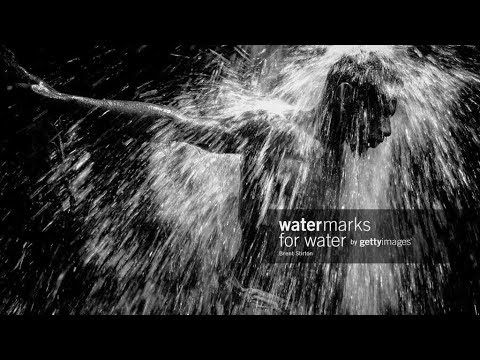
- Payoff: The solution is presented with elegant simplicity: “By removing this unique watermark, you remove impurities from water.” The campaign name, “Watermarks for Water,” appears, and the call to action is made explicit: license or share an image from the collection to contribute. [5] The final shots of people enjoying clean water provide the emotional payoff, visually connecting the customer’s action to the positive outcome.
The Debrief: The key lesson here is the power of leveraging a brand’s most intrinsic assets. Getty didn’t just write a check to a charity; it integrated the cause directly into its product and user experience. [1] This creates authenticity and distinctiveness that a generic CSR campaign could never achieve. The campaign proves that a brand's perceived liabilities (like an intrusive watermark) can be its greatest creative strengths when viewed through the right lens. It’s a powerful reminder to look inward for unique brand stories rather than just latching onto external causes.
Theme Keywords
Brand Position
The indispensable source for powerful images that not only document the world, but actively change it for the better.
Brand Archetype
The Sage and The Caregiver.
Creative Game Plan
Turn our most recognizable brand asset, the watermark, into a symbol and mechanism for providing clean water.
Diagnosis: Issues & Solutions
Primary Issue: Clarity of 'What's Next?'
The Problem:
The campaign brilliantly connects the action to the cause, but the tangible impact feels abstract. While 10% of proceeds go to charity: water, the viewer is left wondering what that specifically accomplishes. How many licenses does it take to build one well? The connection between one person's purchase and the end result is not quantified, which can slightly diminish the motivation to act.
The Solution:
Incorporate a simple, dynamic impact metric into the campaign's messaging. For example: 'Every 100 photos licensed helps provide one person with clean water for a year.' This makes the contribution feel more direct and measurable, turning an abstract donation into a concrete outcome.
Secondary Issue: Emotional Connection
The Problem:
The ad is intellectually brilliant but emotionally somewhat reserved. It uses powerful, sad imagery, but the overall tone is that of a respectful, almost detached documentary. This high-minded approach appeals to a professional audience but may not create the urgent, gut-level emotional response needed to drive mass action beyond its core target.
The Solution:
Focus one short segment of the film on a single individual's story. By briefly following one person's daily struggle for water and contrasting it with the simple click of a 'license' button, the ad could have created a more personal and potent emotional anchor without losing its strategic elegance.