Waldorf Astoria, Shanghai on the Bund: The Joy of Oysters - Ad Analysis

AI Editor notes
Straight from the gut!!
“Three minutes is an eternity in advertising. This feels less like an ad and more like a segment from a high-end travel show you'd see on a Sunday morning. It’s beautifully shot but slow. Is anyone besides a hardcore foodie or a potential Shanghai-bound millionaire watching this to the end? It's a nice piece of brand content for their owned channels, but as a pre-roll, it's a huge ask. The strategy is sound—sell the story, not the room—but the execution feels self-indulgent.”
Quick Summary
This isn't an ad; it's a three-minute mini-documentary designed to do one thing: prove that true luxury isn't just about expensive sheets, but about access to exclusive, authentic stories and craftsmanship. By focusing on the obsessive journey of a single oyster, Waldorf Astoria positions itself not as a hotel, but as a purveyor of unforgettable experiences, shifting its brand from 'old money' opulence to 'new luxury' connoisseurship.
Executive Summary
This piece from Waldorf Astoria is a classic example of a luxury brand moving from product-based advertising to storytelling. Instead of selling a hotel room, they are selling a narrative. Part of the broader 'Unforgettable Stories' campaign, this film, 'The Joy of Oysters,' operates less like an ad and more like a short documentary from a series like 'Chef's Table.' The strategy is to elevate the brand beyond mere opulence and associate it with something far more valuable to the modern luxury consumer: authentic, exclusive, and masterfully crafted experiences.
The core insight is that for affluent travelers, particularly the younger generations they were trying to attract, the definition of luxury has shifted. It’s no longer just about passive comfort; it’s about active participation in unique stories. They don't want to just stay in a nice hotel; they want to collect experiences that they can, in turn, share as stories. This film taps directly into that desire.
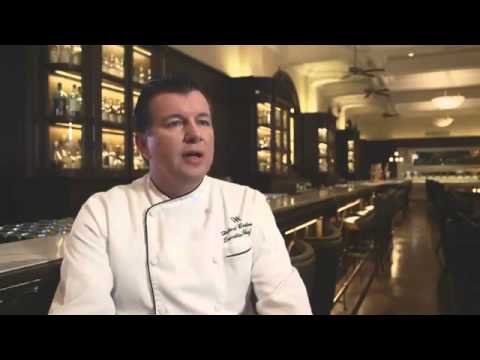
The execution is patient and documentary-style. It doesn't use actors or a contrived plot. Instead, it anchors its credibility in a real person: Executive Chef Hubert Bourdon. The narrative follows the journey of a single, premium product—the Gillardeau oyster—from the waters of France to a plate in Shanghai. This 'farm-to-table' micro-narrative serves as proof of the hotel's commitment to quality and authenticity. The cinematography is intimate and rich, with a shallow depth of field and warm lighting that romanticizes the process. By showing the obsessive care, the logistics, and the chef's passion, the ad builds a powerful sense of value and exclusivity around the experience without ever mentioning price. The final montage connecting the oysters to other craft experiences like bespoke tailoring and mixology reinforces the idea that this commitment to craft permeates the entire hotel.
The debrief for the team is that this form of branded content is a powerful tool for a niche, high-value audience. It successfully builds brand equity and desire. However, at over three minutes, its utility is limited to owned platforms (like a brand YouTube channel or website) or very targeted placements. It sacrifices the punchiness and clear call-to-action of traditional advertising for depth and authenticity. It’s a solid play for the brand-building long game, but it's not designed to fill rooms tomorrow.
Theme Keywords
Brand Position
The gateway to authentic, unforgettable luxury stories.
Brand Archetype
The Sage
Creative Game Plan
Prove Waldorf Astoria delivers unforgettable, authentic experiences by telling the obsessive, behind-the-scenes story of one perfect oyster.
Diagnosis: Issues & Solutions
Primary Issue: Clarity of "What's Next?"
The Problem:
The film does an excellent job of creating desire but completely fails to channel it. After investing three minutes in this beautiful story, the viewer is left with the vague tagline 'The Stories Begin Here.' There is no prompt to book a table, explore other 'stories,' or even visit the hotel's website, which is a significant missed opportunity to convert interest into action.
The Solution:
Add a simple, elegant end-card with a clear, low-friction next step. For example: 'Discover the story of the Long Bar. [Link]' or 'Reserve your table at the Waldorf Astoria Shanghai.' This would guide the inspired viewer without cheapening the luxury feel.
Secondary Issue: Emotional Connection
The Problem:
The film commands respect but struggles to create a deep emotional bond. The tone is one of reverent observation, making the viewer an admirer of craft rather than a participant in a feeling. The experience feels a bit sterile and distant, like looking at a beautiful object in a museum.
The Solution:
Focus more on the human element of the guest's experience. While we see a man taste the oyster, we don't feel his joy. A more relatable human reaction or a glimpse into the celebratory moment the oysters create could have added a layer of warmth and aspiration beyond just respect for the process.