Virginia DMV - I Spy: See the Rider - Ad Analysis

AI Editor notes
Straight from the gut!!
“Most motorcycle PSAs go straight for gory crash footage or preachy finger-wagging that drivers instantly tune out. This avoids that trap completely. Using a kid playing 'I Spy' to rehumanize people on bikes is smart and disarming. It lands the point without lecturing.”
Quick Summary
By reframing motorcyclists through the innocent gaze of a child playing 'I Spy,' the commercial effectively cuts through driver resentment and humanizes riders before accidents happen.
Executive Summary
The Core Insight: Drivers frequently treat motorcyclists not as individuals, but as unpredictable road hazards or reckless speed enthusiasts. This subconscious depersonalization makes drivers less vigilant and more resentful, increasing the risk of blind-spot collisions and unsafe lane changes. The core human insight here is simple: drivers protect what they empathize with, and viewing riders through the unvarnished innocence of a child dissolves adult prejudice instantly.
The Execution: The spot uses a clean Setup–Turn–Payoff narrative structure executed in thirty seconds.
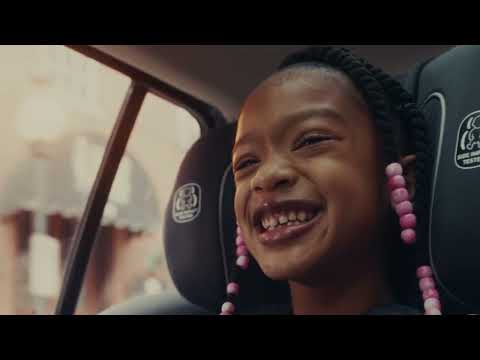
- Setup (0:00–0:06): The film opens inside a car where a mother asks her young daughter in the backseat what she is looking at out the window. The child suggests playing 'I Spy,' establishing the familiar and relatable perspective of a family drive.
- Turn (0:07–0:23): Instead of spotting ordinary objects, the child categorizes motorcyclists by who they are. First, a man on a cruiser is identified as a 'fireman' as he reveals his uniform hoodie. Next, two passengers on a classic bike become 'a boy and a girl that love each other.' Finally, a female rider who lifts her visor becomes a 'princess.' Each vignette physically strips away the intimidating exterior of riding gear to reveal an everyday neighbor.
- Payoff (0:24–0:30): The mother looks out, validates her daughter with 'I spy them too,' and the commercial lands its copy line: 'When we stop judging the ride, we start seeing the rider.' The concluding frame directs drivers to keep 'Eyes out for motorcyclists' under the Virginia DMV banner.
The Debrief: Public safety marketing often defaults to shock value—graphic collisions, screaming sirens, and guilt trips. Research repeatedly shows that audiences build defensive fatigue against fear-based messaging. This campaign demonstrates that empathy-based reframing can achieve behavioral awareness without alienating the target audience. By making vigilance feel like an act of neighborly care rather than a legal chore, the spot encourages genuine road-sharing behavior.
Theme Keywords
Brand Position
A proactive, community-focused public agency dedicated to saving lives through shared responsibility on Virginia roads.
Brand Archetype
Caregiver (Protective, Empathetic, Community-Minded)
Creative Game Plan
Use a familiar children's backseat game to strip away driver prejudice and reveal the relatable human identities beneath motorcycle helmets.
Diagnosis: Issues & Solutions
Primary Issue: Clarity of What's Next?
The Problem:
The concluding call to action 'Eyes out for motorcyclists' is emotionally compelling but remains broad in terms of practical driving habits.
The Solution:
Pair the emotional payoff with a quick, tangible driving prompt—such as 'Double-check your blind spots'—to give motorists a clear physical habit to practice.
Secondary Issue: Strategic Sense
The Problem:
The ad solely focuses on four-wheel drivers perceiving riders, missing a mutual safety reminder about riding speeds and visibility.
The Solution:
Ensure companion campaign assets explicitly address rider visibility and gear to present a comprehensive road-sharing strategy across touchpoints.