'Unbox Me' and let me tell you who I am - Ad Analysis

AI Editor notes
Straight from the gut!!
“This is smart. It avoids the preachy, sad-vertising trap that many PSAs fall into. The 'box' is a clever creative device—it's universal, nostalgic, and makes the story interactive. The pivot to an influencer campaign feels natural, not forced. My only question is whether it reaches the people who need to hear it most, or if it's primarily preaching to the choir on social media. Still, it's a solid, moving piece of work.”
Quick Summary
The campaign effectively uses a simple, culturally relevant metaphor—a child's secret treasure box—to make the abstract struggle of gender identity tangible and deeply personal. By having transgender adults revisit their childhood secrets and then inviting influencers to 'unbox' these stories for a wider audience, UNAIDS creates a powerful bridge of empathy, turning a hidden pain into a public conversation.
Executive Summary
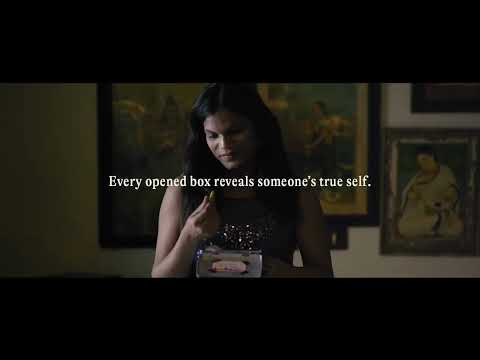
UNAIDS's 'Unbox Me' is a thoughtful and effective piece of social advocacy that sidesteps the typical pitfalls of public service announcements. Instead of relying on shock value or somber statistics alone, the campaign, created with FCB India, grounds a global issue in a simple, tangible, and culturally resonant metaphor: the childhood treasure box. [2]
The Core Insight of the campaign is the simple human truth that our secrets and true selves are often hidden in the things we treasure. For most children, a secret box is for trinkets; for a transgender child, it becomes a vault for their very identity. This insight is the engine of the entire campaign, transforming an abstract concept like gender dysphoria into a physical object that can be held, opened, and understood. The campaign leverages this to create a powerful bridge of empathy between the subjects and the audience.
The Execution follows a classic documentary narrative structure that builds in layers. It begins with the Setup, introducing the cultural context of the Indian 'dabba' or tin box and linking it to the secret lives of the transgender adults featured. The film then makes a crucial Turn, shifting from quiet nostalgia to the painful reality of rejection, fear, and abuse, punctuated by the stark statistic that '70% of Indian transgender children are forced to leave home before they are 15.' The Payoff is twofold and where the campaign truly shines. First, in a moment of genuine emotional catharsis, the participants are given recreated versions of their boxes, making their past tangible. Second, the campaign extends beyond the film by having influential personalities like Zoya Akhtar and Barkha Dutt 'unbox' these stories on social media, amplifying the message and inviting a wider audience into the conversation. [9] This transforms a passive viewing experience into an active, shareable social movement.
The Debrief for any team watching this is clear: the most potent creative ideas are often rooted in simple, universal human truths. 'Unbox Me' demonstrates that you don't need a massive budget or complex effects to create a profound impact. By finding a powerful central metaphor, telling authentic stories, and integrating a social media strategy that feels earned rather than forced, UNAIDS created a campaign that is not just seen, but felt. It proves that the goal of social advocacy advertising shouldn't just be to inform, but to create a genuine, human connection.
Theme Keywords
Brand Position
The compassionate, human-centered leader in global public health, connecting social justice to health outcomes.
Brand Archetype
Caregiver
Creative Game Plan
Use the simple, universal symbol of a childhood treasure box to tell the hidden stories of transgender individuals, making their struggle for acceptance deeply personal and relatable.
Diagnosis: Issues & Solutions
Primary Issue: Strategic Sense
The Problem:
The link between UNAIDS's core mission—combating HIV/AIDS—and the rights of transgender children is only stated in the YouTube description, not in the film itself. This is a missed opportunity to connect the social cause directly to the organization's strategic purpose for viewers who only see the film.
The Solution:
A single, brief title card within the film could have clarified the connection. For instance: 'Discrimination puts transgender people at a higher risk of HIV. Acceptance is prevention.' This would have cemented the campaign's strategic relevance to the UNAIDS brand.
Secondary Issue: Clarity of "What's Next?"
The Problem:
The campaign builds significant emotional momentum and empathy, but the call to action, 'Watch the Unboxings,' leaves the viewer feeling a bit powerless. It directs them to consume more content rather than providing a channel for their newfound empathy.
The Solution:
Supplement the existing CTA with a more tangible action. This could be a link to a resource hub, a way to donate to a partner organization on the ground, or a simple online pledge to be an ally. This would give the audience a way to convert emotion into meaningful action.