Trey Songz So Kodak: In the Studio - Ad Analysis

AI Editor notes
Straight from the gut!!
“This ad feels like a Hail Mary pass from a company that knows it's losing. They got the celebrity part right for 2010—Trey Songz, Drake, Pitbull, Rihanna were huge—but the core product idea feels desperate. A camera whose main feature is sharing to Facebook? You mean, like the phone already in my pocket? The strategy is transparent: use celebrity culture to make a point-and-shoot camera seem cool again right before smartphones ate their lunch for good.”
Quick Summary
In a last-ditch effort to stay relevant with a younger, social-media-native audience, Kodak leveraged an all-star cast of 2010's hottest musicians to launch a camera built entirely around one feature: a 'Share' button. This 15-second spot is a time capsule of a legacy brand trying to bolt social features onto a hardware product category that was already being made obsolete by the smartphone.
Executive Summary
The 'So Kodak' campaign, and this spot specifically, represents a critical moment in Kodak's history: a desperate, celebrity-fueled pivot to reclaim relevance in the digital age. By 2010, the storied brand had lost significant ground in the digital camera market it helped pioneer, having only 7% of the US market share. [8] This ad wasn't just about selling a new camera; it was an attempt to rebrand Kodak for a generation whose 'Kodak Moments' were happening on Facebook, not in photo albums.
The core insight is rooted in the explosion of social media: 'The best me is the shared me'. [11] Kodak correctly identified that for young consumers, the value of a picture was no longer just in its capture, but in its immediate distribution. This ad attempts to position the Kodak M590 as the ultimate tool for this new social currency.
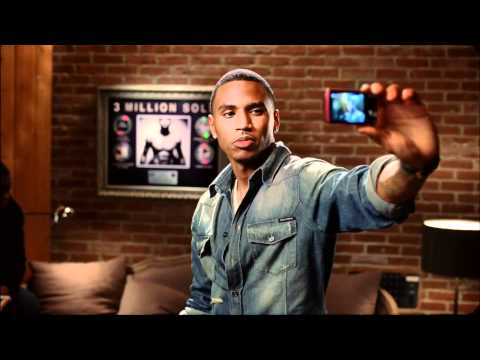
The execution follows a simple 'Product Demo' format wrapped in a 'Lifestyle/Aspirational' package. The setup is Trey Songz in his cool, creative habitat—a recording studio. The 'turn' is him using the Kodak M590 to capture a moment. The payoff is the demonstration of the camera's sole unique selling proposition: the 'Share' button. By showing the user interface with names like Rihanna and Drake, the ad quickly communicates that this camera connects you to the exclusive, celebrity world you aspire to. The entire narrative is built to make the mundane act of uploading a photo feel glamorous and instantaneous. It’s a smart, economical way to tell the story in just 15 seconds.
The debrief for the team would be a tough one. Creatively, the ad is competent. It uses celebrity star power effectively and communicates the product feature clearly and quickly. However, it's a great ad for a product with a fatal flaw. It tried to solve a software and connectivity problem with a hardware solution. The campaign bet that a dedicated device for social sharing could compete with the rapidly converging functionality of smartphones. In hindsight, we know this was a losing bet. The lesson is that no amount of celebrity endorsement or clever advertising can save a product that is on the wrong side of technological disruption. The campaign was a well-executed tactic in service of a flawed strategy.
Theme Keywords
Brand Position
Kodak is the simplest, most fun way to share your moments with the world.
Brand Archetype
The Everyman (trying to be The Jester). The brand's heritage is 'Everyman,' making photography accessible. This campaign tries to give it a playful, cool 'Jester' personality to appeal to a younger crowd.
Creative Game Plan
Use A-list music celebrities to make a point-and-shoot camera feel cool and essential for sharing your life online.
Diagnosis: Issues & Solutions
Primary Issue: Strategic Sense
The Problem:
The campaign's biggest failure was betting on a single-purpose device (a camera for sharing) at the exact moment multi-purpose smartphones were becoming dominant. The strategy was fundamentally backward-looking, trying to keep the camera relevant rather than embracing the new ecosystem.
The Solution:
Instead of focusing on hardware, Kodak should have pivoted to a software-first strategy. Imagine a 'So Kodak' photo editing and sharing app for iOS and Android that leveraged their color science legacy. This would have met consumers where they were, rather than trying to sell them another device to carry.
Secondary Issue: Emotional Connection
The Problem:
The ad successfully conveys 'cool' but fails to build any deeper emotional bond. It's a transactional message about a feature, lacking the warmth and nostalgia that 'Kodak Moment' once owned. It trades a universal human feeling for fleeting celebrity glamour.
The Solution:
The ad should have connected the 'why' of sharing (connecting with loved ones, preserving joy) with the 'how' (the camera). A more emotionally resonant story showing Trey Songz sharing a moment with his actual family, not just other celebrities, could have bridged the gap between the old 'Kodak Moment' and the new 'So Kodak' ethos.