The World's Most Claustrophobic Cinema - Ad Analysis

AI Editor notes
Straight from the gut!!
“This is pure, uncut advertising for cultural elitists, and I mean that as a compliment. It’s a beautifully executed stunt designed to be written about by the media, not to appeal to the masses. It’s so absurdly specific, so unapologetically weird, that it works. They’re not selling tickets; they’re selling a story you can tell for the rest of your life. It’s a direct shot at the comfort of Netflix from your couch.”
Quick Summary
This isn't an ad for a film; it's an ad for an ordeal. By transforming the simple act of watching a movie into an extreme, claustrophobic experience, the Göteborg Film Festival created a PR event that was impossible to ignore. It cemented its brand identity not as a place to just see films, but as a place to truly *experience* them on a physical and psychological level, demonstrating that the context of viewing can be more powerful than the content itself.
Executive Summary
The Göteborg Film Festival’s 'Claustrophobic Cinema' is less of an advertisement and more of a psychological experiment broadcast to the world. It’s a powerful piece of experiential marketing that understands a fundamental truth: in a world saturated with content, the context of the experience becomes the product. The festival wasn’t just promoting a screening of the sci-fi film Aniara; it was selling a confrontation with fear, isolation, and the very limits of cinematic immersion. [3, 5]
The Core Insight here is that for a certain segment of art lovers, comfort is the enemy of experience. The passive consumption of film on a couch, offered by streaming giants, is a threat to the communal, focused nature of cinema. [3] This campaign weaponizes that threat, taking the concept of an 'attentive audience' to its most logical and terrifying extreme. The insight is that true cinephiles don’t just want to watch a story about being trapped in space; they want to feel it. [2]
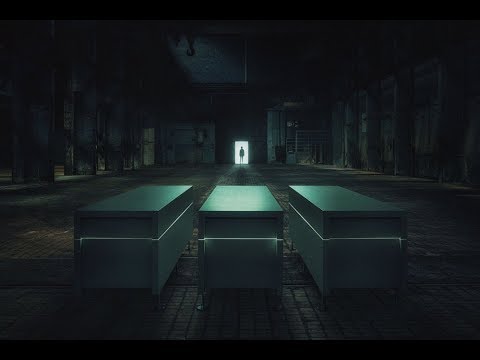
The execution follows a classic suspense narrative. The Setup introduces a lone protagonist in an unnerving, desolate environment, immediately establishing a tone of isolation. The brand logo acts as a seal of approval, telling the viewer this is a curated, intentional experience. The Turn is the reveal of the sarcophagus. This is the moment the ad pivots from a generic thriller aesthetic to a specific, bizarre proposition. The audience’s question shifts from 'What is happening to her?' to 'Would I do that?' The Payoff is the visceral simulation of the experience itself—the frantic breathing, the wide eyes in the dark, the finality of the closing lid. By intercutting the external journey with the internal panic, the ad forces the viewer to inhabit the protagonist's state of mind. The final call to action, 'Book now,' feels less like an invitation and more like a dare.
The Debrief for any brand team watching this is clear: stop advertising the product and start advertising the story around the product. The festival created an idea so inherently compelling that the media had no choice but to cover it. The campaign's success wasn't measured by how many people squeezed into those eight coffins, but by the millions who heard about it. [4, 13] It's a lesson in how to fight giants like Netflix not by competing on their terms (volume, accessibility) but by creating singular, unreplicable experiences that reaffirm the unique power of a physical event.
Theme Keywords
Brand Position
The world's most daring and artistically committed film festival.
Brand Archetype
The Magician (creating transformative and immersive experiences).
Creative Game Plan
Dramatize an impossibly intense cinematic experience to prove our festival offers something streaming services never can: genuine, unforgettable, physical immersion.
Diagnosis: Issues & Solutions
Primary Issue: Emotional Connection
The Problem:
The ad masterfully creates anxiety and dread but stops there. It successfully sells the 'ordeal' but misses the opportunity to hint at the 'afterglow'—the feeling of accomplishment, the unique perspective gained, or the bragging rights that come from surviving such an intense experience.
The Solution:
Incorporate a final, brief shot of the protagonist after the screening. A single look of relief, contemplation, or even exhilaration as she emerges from the sarcophagus would complete the emotional arc, showing the viewer not just the challenge, but the reward for facing it.
Secondary Issue: Strategic Sense
The Problem:
While brilliant as a PR stunt, the campaign risks positioning the entire festival as inaccessible and intimidatingly avant-garde. Its extreme nature could alienate potential attendees who are looking for the more traditional, joyous aspects of a film festival.
The Solution:
This type of high-concept activation should be the 'tip of the spear' in a broader campaign. It should be accompanied by communications that showcase the festival's wider range of offerings—the communal atmosphere, the Q&As with filmmakers, the celebratory premieres—ensuring the brand feels both provocative and welcoming.