Where Black Art Lives - Ad Analysis

AI Editor notes
Straight from the gut!!
“This hits the right emotional notes. Reopening campaigns usually make the mistake of celebrating the architects rather than the community, but this puts the neighborhood and the artists first. The pacing is deliberate, the cello score adds gravitas, and weaving historic collection pieces into street life keeps the work grounded. It makes an institutional return feel like a personal homecoming.”
Quick Summary
The campaign succeeds because it refuses to frame the museum as an aloof art temple, instead anchoring the new physical building directly into the living heartbeat, history, and people of Harlem.
Executive Summary
The Core Insight: Cultural institutions often run the risk of detaching themselves from the neighborhoods they inhabit, coming across as sterile vaults rather than living community spaces. For The Studio Museum in Harlem, returning to a newly constructed $160-plus million facility after an extended absence required avoiding the trap of architectural elitism. The underlying human truth here is that art does not gain its value inside a vacuum; it derives meaning from the community that inspired its creation and the generational lineage that sustains it.
The Execution: The film deploys a Setup–Turn–Payoff narrative structure anchored by rhythm and place.
-
Setup (0:00–0:30): The spot opens on the darkened silhouette of the new building on 125th Street, bringing up lights floor by floor before grounding the viewer in historical origin with gloved hands handling the 1968 annual report. An archival voiceover bridges the 1968 founding with the modern day, establishing that this multi-million dollar structure is a direct continuation of a grassroots civil-rights-era mandate.
-
Turn (0:31–1:20): As doors open to visitors, the film shifts from institutional history to dynamic living energy. Works by renowned artists are seamlessly intercut with everyday Harlem iconography—brownstone stoops match the museum's grand wood steps, and a child sketching on the floor mirrors the serious contemplation of elder visitors. The cello transitions from a subway platform onto the open museum rooftop, erasing the divide between street culture and fine art.
-
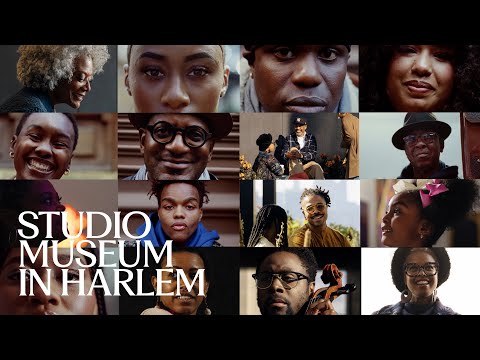
Payoff (1:21–1:59): The spot builds momentum through a grid montage of neighborhood faces matched to quilt portraiture, before landing on David Hammons' iconic African American flag flying proudly from the exterior wall. The closing line—'Welcome back to the Studio Museum in Harlem. Where Black art lives.'—delivers an emotional and institutional resolution.
The Debrief: Marketing teams handling institutional relaunches can take note of how this spot treats real estate. Rather than treating the new building as the hero product, the architecture serves merely as a container for community pride, history, and artistic lineage. The film works because it makes the viewer feel like a participant in a historic legacy rather than a consumer viewing an institutional commercial.
Theme Keywords
Brand Position
The preeminent global home and catalyst for art created by practitioners of African descent.
Brand Archetype
The Creator / Sage (Visionary, Rooted, Dignified)
Creative Game Plan
Frame the new architectural building as a living neighborhood home where art, community, and heritage continuously converse.
Diagnosis: Issues & Solutions
Primary Issue: Clarity of "What's Next?"
The Problem:
The film ends on pure brand poetry ('Where Black art lives') without giving viewers clear logistical direction on ticketing, timed entry, or opening exhibition dates.
The Solution:
Add an explicit digital lower third or end-card URL directing audiences to book opening-season passes or access the digital archive.
Secondary Issue: Emotional Connection
The Problem:
The opening 15 seconds move at an introspective pace that risks early drop-off on digital and social channels before the community energy arrives.
The Solution:
Front-load one dynamic human interaction or musical beat within the first 3 seconds to sharpen the pre-roll hook.