The Mazda3 / Brand Ad. - Ad Analysis

AI Editor notes
Straight from the gut!!
“This is a gutsy, surprisingly emotional play. Most car ads sell you a lifestyle; this one sells you a history. The pivot to Hiroshima is heavy and could be jarring, but it's handled with respect and gives real weight to the tagline 'The Impossible Made Possible.' It feels less like an ad and more like a statement of purpose. It’s a strong way to relaunch the brand in a market, making it feel like it has more substance than its rivals.”
Quick Summary
This ad elevates Mazda from a simple car manufacturer into a symbol of resilience and passion. By grounding its modern, stylish cars in a powerful and authentic heritage story—stretching from the joy of the open road all the way back to the company's defiant rise from the ashes of post-war Hiroshima—it argues that buying a Mazda is about buying into a legacy, not just a vehicle.
Executive Summary
This 2014 commercial for Mazda Southern Africa is a textbook example of how to build a brand on something more profound than steel and rubber. Instead of selling a car, it sells a soul. Timed for the relaunch of Mazda as an independent entity in the country, the ad's primary job wasn't to move metal off the lot tomorrow, but to build a foundation of meaning for the brand for years to come. [1, 5] It achieves this by framing the new Mazda3 not as the star of the show, but as the latest chapter in a long, compelling story.
The core insight is that in a crowded market, heritage is the ultimate differentiator. While any competitor can talk about performance or design, only Mazda can lay claim to its specific history of 'defying the odds.' The ad posits that the spirit of the engineers who built the Le Mans-winning 787B and the resilience of the founders who rebuilt the company from the rubble of Hiroshima are tangible qualities baked into every modern car they produce. This transforms the vehicle from a commodity into a totem of that history.
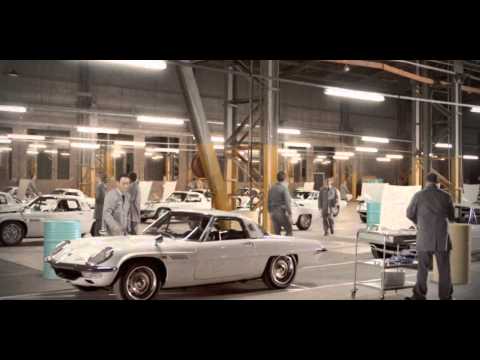
The execution uses a simple but effective 'rewind' narrative structure. It starts with the present (the new Mazda3) and asks a question: what is this thing, really? It then answers by travelling backwards in time. We see the recent past of fun-to-drive cars like the MX-5, then a milestone of engineering prowess with the 787B, then the dawn of style with the Cosmo. The journey culminates in the brand's origin story, powerfully showing a lone Mazda truck in the devastation of post-war Hiroshima. This is the emotional anchor. The return to the present, showing the full lineup, feels like a triumphant conclusion. The cars are no longer just cars; they are survivors, imbued with the history we've just witnessed. The tagline, 'The Impossible Made Possible,' lands not as a marketing slogan, but as an earned truth. [4]
The key lesson from this campaign is the power of authenticity in brand storytelling. Mazda didn't invent a marketing narrative; it excavated its own remarkable history and presented it with cinematic reverence. It's a bold strategy, especially the use of such a somber historical event. But by handling it with a tone of defiance rather than melancholy, the brand successfully positions itself as a testament to the power of the human spirit. This creates a deep emotional connection that feature-and-benefit advertising could never achieve.
Theme Keywords
Brand Position
The driver's car with a soul.
Brand Archetype
The Hero
Creative Game Plan
Establish Mazda's soul by proving its modern cars are the direct descendants of a unique and unbreakable heritage of defying convention.
Diagnosis: Issues & Solutions
Primary Issue: Strategic Sense
The Problem:
The ad's emotional core relies on the audience recognizing the historical significance of the imagery, particularly the final black-and-white sequence in post-war Hiroshima. For a South African audience in 2014, this specific piece of Japanese corporate history may not be common knowledge, potentially diluting the impact of the 'pulled a nation from the rubble' line.
The Solution:
Anchor the key historical moment with a simple, unobtrusive supertitle (e.g., 'Hiroshima, 1945'). This would ensure the story of resilience is fully understood by all viewers, guaranteeing the emotional climax lands with its intended force without disrupting the visual flow.
Secondary Issue: Clarity of "What's Next?"
The Problem:
The ad does a masterful job of building brand love but offers little direction for a newly inspired potential customer. The URL and social logos at the end are standard but passive. The ad builds immense emotional energy but gives that energy nowhere to go.
The Solution:
Strengthen the final call-to-action to bridge the emotional journey with a tangible next step. Changing the on-screen text to something like 'Discover the story at Mazda.co.za' would frame the website as the next chapter in the experience, converting inspiration into immediate brand exploration.
Additional Notes
Related Links
Credits
Share this Analysis
More Mazda ad breakdowns
- First To The Finish | MazdaMazda
- Once a Mazda, Always a Mazda!Mazda
- Mazda CX-60 PHEV: That's It (Mazda x Tochinoshin)Mazda
- Introducing the First-ever Mazda CX-50 | First LookMazda
- Mazda | Cars Not IncludedMazda
- Kia India | The Kia Carnival Limousine | A new world of luxury & techKia
- Kia India | #TheLegendOfBadass | AnthemKia
- Soch Mein Swaraj – Celebrating the Spirit of IndependenceSwaraj Tractors