The Kittles - Ad Analysis

AI Editor notes
Straight from the gut!!
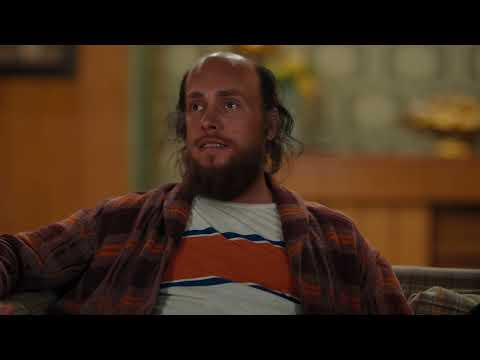
“So they just had George Kittle play everyone, huh? It's weird. The dog with the human face is deeply unsettling, but I can't look away. This is pure, unadulterated 'let's do something goofy for the NFL season' advertising. It’s not trying to be clever or emotional, it's just leaning into the absurdity. I guess it works for a brand that wants to own 'crazy fun on game day,' but it feels a bit one-note.”
Quick Summary
This ad uses the likability of NFL star George Kittle and the nostalgic format of a 70s sitcom to deliver a straightforward product-and-price message. The surreal, slightly bizarre humor of Kittle playing every family member—including the dog—is designed to be memorable and shareable, cutting through the clutter of typical game day advertising to drive sales for the $8.99 Three Meat Treat pizza.
Executive Summary
Little Caesars' 'The Kittles' is a workhorse retail ad cleverly disguised as a piece of pop culture parody. The campaign, created with agency McKinney, understands its place in the crowded, high-stakes arena of NFL advertising and chooses not to compete on emotion or brand purpose. Instead, it doubles down on a simple, effective strategy: use a likeable celebrity in a bizarre scenario to hammer home a product-and-price offer. The result is a piece of advertising that is weird, memorable, and commercially focused.
The core insight is that during a football game, pleasing everyone in the room is a common, low-stakes problem. One person wants pepperoni, another wants sausage, a third wants bacon. This simple, relatable conflict provides the entire narrative engine for the ad. The choice to frame this within a 1970s/80s sitcom format is a smart creative wrapper. It provides a familiar, low-fi aesthetic that contrasts with the high-production gloss of most modern ads, and it gives a logical reason for the corny humor and laugh track. It also taps into a vein of nostalgia that resonates with the Gen X and Millennial audiences likely making the household purchasing decisions on game day.
The execution follows a classic Problem-Solution structure. The setup introduces the 'problem': George Kittle's various 'brothers' (all played by him) have conflicting pizza topping demands. The turn comes when Kittle triumphantly reveals the 'solution': the Little Caesars Three Meat Treat, which satisfies everyone. The payoff is the family happily eating pizza, punctuated by the surreal gag of a dog with Kittle’s face. This final moment of absurdity is the ad's most distinctive element, a deliberate creative choice designed to be the thing people remember and talk about. As Little Caesars CMO Greg Hamilton stated, the goal was to go 'over-the-top' to stay top of mind with football fans. The entire 30-second spot is ruthlessly efficient, using every moment to either set up the product reveal or deliver the call to action.
The key takeaway for the brand is the power of blending a hard retail message with just enough creative weirdness to be distinctive. The ad isn't trying to win awards for cinematic craft; it's trying to sell pizzas on a Sunday. By leveraging George Kittle’s natural comedic persona and committing fully to the strange sitcom premise, Little Caesars created a piece that is difficult to ignore and easy to understand. It proves that you don't always need a grand, emotional story to be effective; sometimes, a good joke and a clear offer are all you need.
Theme Keywords
Brand Position
The fun, easy, and affordable pizza for shared moments, especially game day.
Brand Archetype
Jester
Creative Game Plan
Use a famous football player in a bizarre, nostalgic sitcom format to make a simple product-and-price offer unforgettable.
Diagnosis: Issues & Solutions
Primary Issue: Strategic Sense
The Problem:
The ad's humor, particularly the unsettling CGI dog, risks being polarizing. While memorable, the 'weird for the sake of weird' approach could alienate viewers who don't connect with the specific brand of absurdism, potentially overshadowing the product message for some.
The Solution:
Future iterations could ground the humor more in the relatable aspects of Kittle's personality or game-day situations, rather than relying solely on bizarre visual gags. A test could be to see if the joke still lands without the most extreme elements, ensuring the product remains the hero.
Secondary Issue: Emotional Connection
The Problem:
The ad generates a laugh but builds no real emotional warmth or connection to the brand. It's a transactional piece of creative that exists to be funny and drive a sale, but it does little to build long-term brand affinity beyond being 'the brand with the weird ads'.
The Solution:
Incorporate a moment of genuine, relatable family interaction, even within the parody format. For example, a quick, knowing glance between two of the 'Kittles' could have added a layer of warmth without sacrificing the comedic timing.
Additional Notes
Related Links
- George Kittle Stars in Little Caesars' Sitcom-Inspired Spot from McKinney - DesignRush✓ Validated9/10AI Source
- Little Caesars: The Kittles • Ads of the World™ | Part of The Clio Network✓ Validated9/10AI Source
- Ilitch Holdings Inc. - Company-Histories.com✓ Validated9/10AI Source
- All In: Kittle Tackles Latest Little Caesars Spot - MediaPost✓ Validated9/10AI Source
Credits
Share this Analysis
More Little Caesars ad breakdowns
- Pretzel Crust Island | Official TeaserLittle Caesars
- McVeggie + Coke Zero @ Just ₹149!Coca-Cola
- KFC Howzzat- Match DayKFC
- Pizza Hut Javenge, 99 Mein Khavenge | Ad feat. Bhuvan Bam | Tastiest Pizzas Now @99 by Pizza HutPizza Hut
- KFC - 83 FilmKFC
- KFC Epic Savers 20s | KannadaKFC
- Pizza Hut's new MELTS - Crispy, Cheesy, Loaded @Rs 169Pizza Hut
- Pizza Hut Javenge, 99 Mein Khavenge | Ad feat. Bhuvan Bam | Tastiest Pizzas Now @99 by Pizza HutPizza Hut