The GJP Closing Down Liquidation Fire Sale - Ad Analysis

AI Editor notes
Straight from the gut!!
“I love this. It's got guts. Instead of a sad press release or a stuffy announcement about 'a new chapter,' they threw a party and invited everyone to laugh with them. Selling their own Cannes Lions? That's a power move. It says 'we don't live in the past.' It feels like a genuine inside joke that they let the whole city in on. Smart, funny, and for a good cause.”
Quick Summary
This isn't an ad about an agency closing; it's a brilliant piece of marketing theater announcing a rebranding. By staging a fake 'fire sale' and making themselves the butt of the joke, GJP created a memorable, self-aware campaign that cut through the industry noise, generated buzz, and showcased their creative personality more effectively than any traditional corporate announcement ever could.
Executive Summary
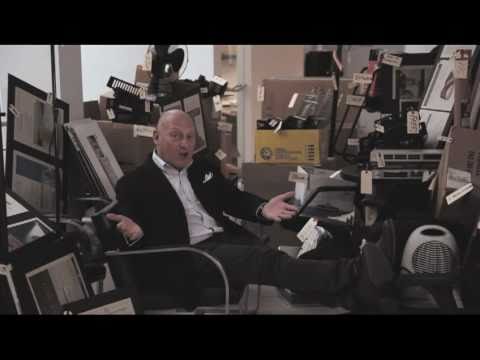
In 2010, Toronto advertising agency Gee, Jeffery & Partners (GJP) did something remarkable: they announced their own death. This video, promoting a 'Closing Down Liquidation Fire Sale,' is a textbook example of how to turn a potentially mundane corporate announcement into a highly effective and memorable piece of brand storytelling. It’s a self-promotional campaign that succeeds by mercilessly parodying the tropes of low-budget retail advertising, all while executing a clever strategic pivot.
The Core Insight here is that in the advertising world, relevance is everything, and nostalgia is a death sentence. The industry is obsessed with what's new and what's next. A simple name change is boring and often signals weakness. GJP understood that to launch their new identity, Blammo Worldwide, they first had to publicly kill their old one. [8, 17] The insight is that the best way to show you're ready for the future is to theatrically, and humorously, let go of the past—even selling your most prized awards. [17]
The Execution follows a classic Problem-Solution framework, but with a satirical twist. The 'problem' is set up immediately: GJP is 'closing down.' The execution mimics the desperate, high-energy style of a local business going under. Agency Chairman Alan Gee becomes the manic pitchman, promising to sell everything from office furniture to his own British accent. [16] This humorous setup creates a compelling hook. The 'solution' presented to the audience is to come to the fire sale and get a piece of ad history for a bargain. The montage of items for sale—Cannes Lions, the co-founder, half-eaten cookies—perfectly satirizes agency life. The reveal of the charity beneficiary, Jake's House for kids with autism, provides a moment of genuine purpose amidst the comedy. [16] The final payoff wasn't in the video itself, but at the event, where the 'closing down' party turned into a launch party for the new agency, Blammo. [8] The video was the brilliant, misleading invitation.
The Debrief for any team watching this is clear: don't be afraid to be bold and subvert expectations. GJP could have issued a standard press release. Instead, they created an experience. They understood their target audience—the Toronto ad community—and gave them a story to talk about. The lesson is that the medium (a fake fire sale ad) can be the message. It demonstrated their creativity, their sense of humor, and their strategic thinking far more powerfully than a traditional ad campaign ever could. It proved they were a brand that didn't take itself too seriously, a valuable commodity in a notoriously self-important industry.
Theme Keywords
Brand Position
The agency that is so confident in its future, it will literally sell its past for a good cause.
Brand Archetype
Jester
Creative Game Plan
Stage a fake, over-the-top 'closing down' sale to generate maximum buzz and publicly shed our old identity before revealing our new one.
Diagnosis: Issues & Solutions
Primary Issue: Strategic Sense
The Problem:
The biggest risk was that the joke could be taken at face value. By not hinting at the rebranding within the video, GJP risked having potential clients or talent see the 'closing down' message and simply move on, never learning about the Blammo launch. The joke could have been *too* effective.
The Solution:
A subtle wink or a quicker follow-up communication strategy could have mitigated the risk. For example, a cryptic follow-up email to a targeted list the day after the video launch saying, 'The funeral is just the beginning,' could have built intrigue and ensured the right people knew something more was afoot.
Secondary Issue: Clarity of "What's Next?"
The Problem:
For a viewer outside the Toronto ad scene, the ad ends as a charity promotion. While effective for driving event attendance, it completely sacrifices the larger business goal (the rebrand) to the general public, limiting its impact beyond a hyper-local audience.
The Solution:
A secondary version of the ad could have been released online immediately after the rebranding party, with a new end-card revealing the Blammo logo and the tagline, 'GJP is dead. Long live Blammo.' This would have capitalized on the initial buzz and communicated the full story to a wider audience.
Additional Notes
Related Links
Credits
Share this Analysis
More Gee, Jeffery & Partners (GJP) ad breakdowns
- BRAINTANK | SHOWREEL 2024Brain Tank Creative & Marketing
- Mad! That’s What I Call Christmas | Mad GeniusMad Genius
- Christmas' Campaign Voices | Novo EngenhoNovo Engenho Comunicação
- Same Soda, Different Story! How Will People Respond? (Marketing Psychology and Consumer Behavior)Intermark Group
- Why Advertising FailsPiro
- Next Promotion (Case Film)BBDO
- The Ultimate Holiday CommercialBrunner
- TIME FOR GOOD IDEAS | ADLANTIS | Strategie, Design, FilmADLANTIS