The First Call | Accident - Ad Analysis

AI Editor notes
Straight from the gut!!
“Okay, the 'scare them into buying insurance' playbook is as old as the hills. But this one feels a bit more real. The acting on that phone call is solid—the stammering, the panic. It avoids being overly dramatic. The pivot from the emotional reunion to the laptop sales pitch is still a bit clunky, but they earned the emotional moment first, so I'll let it slide. It’s effective, if not wildly original.”
Quick Summary
This ad effectively turns the abstract fear of 'what if' into a concrete, emotional moment. By dramatizing a car accident and the immediate instinct to connect with family, it makes the need for life insurance feel urgent and personal, positioning HDFC Life as the responsible solution to protect the people you call first in a crisis.
Executive Summary
HDFC Life’s “The First Call” is a textbook example of how to execute a classic advertising strategy with nuance and emotional intelligence. In the financial services category, particularly insurance, the core challenge isn’t explaining the product; it’s overcoming human inertia. This ad tackles that head-on by transforming an abstract risk into a palpable, personal threat.
The Core Insight: The simple human truth at the heart of this ad is that in a moment of genuine crisis, our first thought is not of ourselves, but of our loved ones. The phone call a person makes immediately after a car accident is to reassure family and, in turn, be reassured by their voice. The ad cleverly connects this instinctual act of love to the more rational act of financial planning, reframing insurance not as a product about death, but as a tool to protect the people you live for.
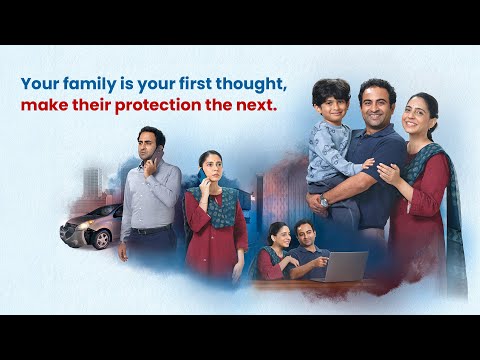
The Execution: The ad uses a classic Problem-Solution structure. It opens by establishing the Problem with cinematic tension: a man, Ashwin, has just been in a car accident. The dark, rainy night and his shaken demeanor create immediate anxiety. The problem is amplified through the tense phone call with his wife, where his attempt to downplay the situation quickly crumbles, revealing the severity of the event. This sequence serves as a powerful hook, drawing the viewer into a relatable nightmare scenario.
The emotional Solution arrives when Ashwin gets home and embraces his son and wife. This is the catharsis, the release of tension that makes the audience feel the profound relief of his safety. This emotional peak is crucial; it’s what earns the ad the right to make its pitch. The strategic pivot happens next. The experience becomes the catalyst for the financial solution. Ashwin’s line, “This accident made me realize that anything can happen tomorrow. But being planned for it, is important,” bridges the emotional narrative and the commercial purpose. The final scenes, showing the couple researching and buying the HDFC Life Click 2 Protect Supreme plan, present the tangible Solution to the fear the ad has so effectively manufactured. The final brand slate with the claim settlement ratio and call to action provides the rational proof to close the loop.
The Debrief: The team behind this ad understood their primary obstacle is procrastination. Instead of listing features, they created a situation that makes the viewer feel the consequences of not being prepared. The ad’s strength lies in its restraint; it’s emotional without being melodramatic. The takeaway is clear: while many ads in this category talk about the future, this one makes the future’s uncertainty feel like it could happen tonight. It proves that a well-told, emotionally resonant story remains one of the most powerful tools for driving action in a low-involvement category.
Theme Keywords
Brand Position
The responsible, caring partner that empowers you to protect your family's future with dignity and confidence.
Brand Archetype
The Caregiver
Creative Game Plan
Create an emotional jolt that makes the abstract need for life insurance feel immediate, personal, and urgent.
Diagnosis: Issues & Solutions
Primary Issue: Strategic Sense
The Problem:
The ad's emotional narrative is so strong that the transition to the product feels abrupt. The jump from a deeply emotional family reunion to a shot of a laptop screen with a 'Buy Now' button is jarring and breaks the cinematic spell the ad worked hard to create.
The Solution:
Integrate the product more organically. For instance, the conversation could have evolved more naturally. After the hug, the wife could have said, 'I was so scared. It just makes you think...' leading the husband to respond, 'I know. I was thinking in the car... we need to sort it out tomorrow.' This would make the decision-making process feel less like a sudden commercial break and more like a genuine emotional consequence.
Secondary Issue: Brand Distinctiveness
The Problem:
The story, while powerful, is a category-generic trope (family man has a scare, buys insurance). Without the final logo, it could have been an ad for any major insurance provider.
The Solution:
Weave the brand's tagline and promise, 'Sar utha ke jiyo' (Live with your head held high), into the narrative earlier. Perhaps as Ashwin is driving home, relieved, he thinks about being able to face his family with confidence because he knows he can protect them. This would tie the brand's unique positioning more closely to the emotional core of the story.
Additional Notes
Related Links
Credits
Share this Analysis
More HDFC Life ad breakdowns
- Buy Life Insurance Online | HDFC Life Click 2 Achieve Smart Student PlanHDFC Life
- #ClickKaroInsureKaro | Rebalancing your life in just one clickHDFC Life
- Kismatwala's Secret: HDFC Life Click 2 Protect Super for Unstoppable Family Future #familyprotectionHDFC Life
- Buy Life Insurance Online | HDFC Life Click 2 Achieve Dream Achiever PlanHDFC Life
- #AdhuraNahiPuraInsurance | Calculate your life coverHDFC Life
- Buy Life Insurance Online | Talk To Our Certified ExpertsHDFC Life
- HDFC Life Click 2 Achieve Savings Plan: Guaranteed Returns & Predictable Second Income (Hindi)HDFC Life
- Rishabh Pant’s Bounce Back Story | HDFC Life Click 2 Protect SuperHDFC Life