The Art of Living by Russell Hobbs - Ad Analysis

AI Editor notes
Straight from the gut!!
“This feels like a classic brand elevation play. It’s trying very hard to be the Apple of kitchen appliances—all sleek design and philosophical talk. Tying it to real South African artists like Karabo Poppy is a smart move that gives the 'art' claim some actual weight. [2] But the question is, does the average consumer really see their kettle as a piece of art, or do they just want hot water fast? It's aspirational, but risks feeling a little pretentious.”
Quick Summary
Russell Hobbs repositions its functional kitchen appliances as objects of art by rejecting the exclusive, gallery-bound definition of 'art' and celebrating the everyday creativity, style, and personal expression found within the home. The campaign smartly elevates the brand by associating it with the curated, style-conscious lives of its target audience.
Executive Summary
This campaign from Russell Hobbs is a textbook example of brand repositioning through cultural association. The core strategic decision is to stop selling kitchen appliances and start selling an attainable, art-filled lifestyle. It’s a move designed to lift the brand out of the mid-market scrum of functionality and price, and into the more premium consideration set where design and brand story command a higher price point.
The Core Insight: The simple human truth at the heart of this ad is that for a growing segment of consumers, the home is a primary canvas for self-expression. Every object chosen is a statement of personal taste and identity. In this context, a toaster isn't just a machine for browning bread; it's a sculptural object on the kitchen counter, as much a part of the 'look' as a piece of framed art. Russell Hobbs identified that their target audience sees their life not as a series of mundane routines, but as a creative project.
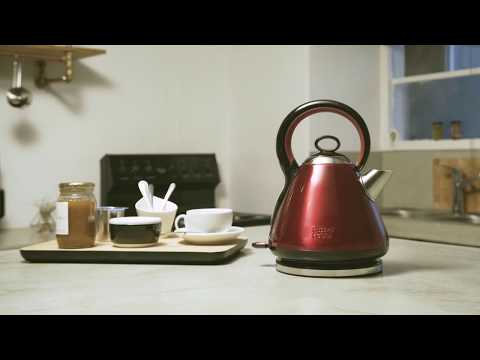
The Execution: The ad uses a classic Setup-Turn-Payoff structure. It begins by setting up a strawman: the old, elitist idea of 'art' as something found only in galleries (0:01-0:17). The visuals show traditional art, and the voiceover adopts a slightly pretentious tone. The 'Turn' comes at 0:17 with the line, 'But art is about all of us.' Here, the ad pivots, rejecting the old definition and introducing its own: art is creativity, style, and the personal touches that make a house a home. This is where the Russell Hobbs products first appear, presented not as appliances, but as integral components of these stylish, creative spaces. The 'Payoff' is the fusion of this new definition with the brand. By showing the products being used to create food (which is itself presented as art) and existing in beautifully designed homes alongside a child’s drawing and an artist’s sketch, the ad makes its case: our products are the tools for 'The Art of Living.' The final tagline seals this association.
The Debrief: The key takeaway for the brand team is the power of reframing. By changing the conversation from features (heating settings, capacity) to philosophy (style, creativity, self-expression), Russell Hobbs can change its competitive set. The collaboration with credible local artists like Karabo Poppy and Sindiso Nyoni was critical. [2, 9] It lent authenticity to the 'art' claim, grounding the high-concept idea in tangible, respected South African culture. This wasn't just a brand claiming to be artistic; it was a brand aligning itself with actual artists. This provides a blueprint for future marketing: lead with the story, not the spec sheet.
Theme Keywords
Brand Position
The art of the everyday.
Brand Archetype
The Creator
Creative Game Plan
Elevate our appliances from functional objects to aspirational art pieces by redefining art as an expression of everyday life.
Diagnosis: Issues & Solutions
Primary Issue: Emotional Connection
The Problem:
The ad is aesthetically flawless but emotionally sterile. It showcases beautiful homes that feel more like design showrooms than lived-in spaces, and the focus is so heavily on the philosophical concept that it misses a genuine human touch.
The Solution:
Introduce a small, relatable human story. Instead of just showing a perfect kitchen, show a messy, joyful moment of a family making pancakes on a Sunday morning, with the Russell Hobbs products facilitating that connection. Connect the 'Art of Living' to the art of relationships.
Secondary Issue: Strategic Sense
The Problem:
The campaign makes a bold promise—that these appliances are art. This strategy is entirely dependent on the product's industrial design living up to that claim. If the in-store experience reveals products that feel less premium than the ad suggests, the entire narrative crumbles and can create brand dissonance.
The Solution:
The advertising must be supported by point-of-sale and packaging that continues the 'Art of Living' narrative. Use in-store displays and premium packaging that highlight the design elements—the specific finish, the unique silhouette, the materials—to prove the 'art' claim tangibly.
Additional Notes
Related Links
Credits
Share this Analysis
More Russell Hobbs ad breakdowns
- Russell Hobbs | All Day. Every Day.Russell Hobbs
- Endura Mixer Grinder | Every Type of Cook | Prestige ShubhutsavPrestige
- Philips AirFryer | Fry, Bake, Grill and Roast with upto 90% less fat | #DietOrAirfryItPhilips
- Wolf - Reclaim the KitchenWolf
- Ghar Ka Kaam, Sab Ka Kaam (Housework is Everyone's Work)Philips
- Porter Braised Ox Cheek - AEG The Neue KollektionAEG
- Prestige Efficia Gas Stove - With Extra Mileage | HindiPrestige
- Wonderchef Nutri-blend - Jode Bharat Ko | #chefsanjeevkapoor #wonderchefWonderchef