Texas Pete Spaghetti Western - Ad Analysis

AI Editor notes
Straight from the gut!!
“A 53-minute hot sauce commercial sounds like agency madness, but they actually made it work. Instead of hiding the recipe demos, they turned the entire narrative into a training montage where the food styling looks legitimately great. My only gripe: at feature length, you're asking for massive attention on platforms built for short-form scroll. But as a bold, shareable stunt, it completely punches above its weight.”
Quick Summary
Texas Pete pulls off a daring piece of branded entertainment by transforming the literal pun 'Spaghetti Western' into a 53-minute feature-length recipe commercial, breaking category conventions by positioning hot sauce not on game-day wings, but across traditional pasta dinners.
Executive Summary
The Core Insight In the hot sauce category, brands fight relentlessly over identical usage occasions: chicken wings, breakfast eggs, burgers, and Mexican cuisine. This fixation limits consumption frequency. The strategic insight behind this campaign targets the bland dinner staple sitting in almost every household pantry: spaghetti. By pairing Texas Pete's cowboy identity with the literal genre trope of a 'Spaghetti Western,' the brand turns everyday pasta into a canvas for heat.
The Execution The campaign operates through a multi-act narrative structure that embeds direct-response cooking demos within a genre parody:
-
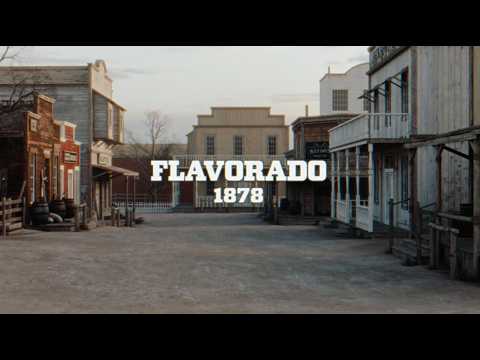
Hook & Conflict (Act 1: 'Clyde Stirs the Pot'): Set in 'Flavorado 1878,' outlaw Clyde Carbonara enforces a totalitarian pasta rule—spaghetti can only be served his way. Hero Johnny Alfredo challenges him, establishing the commercial's central premise: Texas Pete unlocks dozens of spaghetti varieties.
-
Training & Product Utility (Act 2: The Training Montage): When Johnny seeks out retired gunslinger Al Dente, the film turns into an extended culinary tutorial. Rather than relegating recipes to cards or social cutdowns, the film treats each dish—Spaghetti & Meatballs with Hotter Hot Sauce, Aglio e Olio with Sautéed Garlic Sauce, Marinara with Original Sauce, Bolognese with Green Pepper Sauce, and Arrabbiata with Texas Pete Dust—as an essential martial arts lesson. High-production overhead food styling showcases sizzle, texture, and sauce application, while on-screen QR codes allow immediate engagement.
-
Climax & Satirical Payoff (Act 3 & Epilogue): The high-noon showdown replaces pistols with plated pasta. The culinary face-off resolves the conflict not through violence, but through the realization that Texas Pete's versatile heat enhances all dishes. The sudden flash-forward to the modern strip-mall buffet 'Johnny & Clyde's Sauce Saloon' and the exhaustive recipe credit scroll reinforce the campaign's absurdly confident tone.
The Debrief For modern brand strategists, the lesson is clear: utility does not have to be boring. When expanding a brand into new usage occasions, long-form branded entertainment can deliver product demonstrations and recipe education without feeling transactional, provided the creative commitment to tone and genre is absolute.
Theme Keywords
Brand Position
The bold, spirited cowboy hot sauce that brings wild flavor to everyday bland meals.
Brand Archetype
Outlaw / Jester: Bold, Playful, Unconventional
Creative Game Plan
Parody the Spaghetti Western film genre to literally demonstrate multiple Texas Pete-infused pasta recipes inside a feature-length cinematic comedy.
Diagnosis: Issues & Solutions
Primary Issue: Clarity of "What's Next?"
The Problem:
At 53 minutes, the primary viewer friction is platform retention; casual consumers who do not scan the embedded QR codes during recipe beats may leave without saving or bookmarking the recipe library.
The Solution:
Feature an unmissable mid-roll prompt or pinned interactive digital recipe hub at major chapter breaks to capture viewers who drop off before the final showdown.
Secondary Issue: Emotional Connection
The Problem:
The self-indulgent runtime gag (such as the extended meta-intermission) slightly drags the comedic momentum in the middle third.
The Solution:
Tighten the deadpan intermissions to keep the comedy punchy and maintain higher watch-time completion rates.