Tata Tea Premium Care - Karo Apno ki Care | 35 SECS - Ad Analysis

AI Editor notes
Straight from the gut!!
“It's a sweet, safe, slice-of-life ad. The 'man taking care of his overworked doctor wife' is a bit of a cliché, but it lands the emotional point. It feels very much like a 'big brand' ad—it won't set the world on fire, but it does its job of reinforcing warmth and trust. Is 'premium care' a strong enough idea to stick? Maybe. It's pleasant, but forgettable.”
Quick Summary
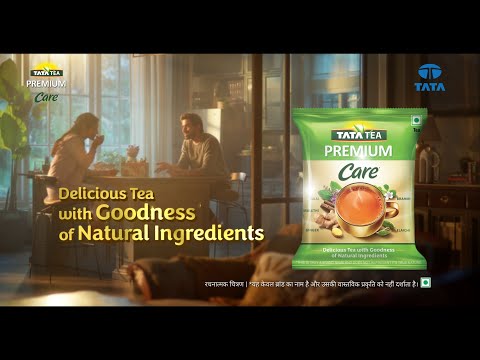
This ad positions Tata Tea Premium Care as more than just a beverage; it's a thoughtful gesture for the person in your life who's always caring for others. By linking 'premium care' to a product containing familiar wellness ingredients like Tulsi and Ginger, the brand effectively justifies its 'Care' sub-brand and frames the purchase as an emotional upgrade, perfectly timed for when the seasons change. [1, 2, 4]
Executive Summary
Tata Tea’s campaign for its 'Premium Care' variant is a solid, if conventional, piece of brand storytelling that smartly blends an emotional premise with a functional product attribute. It operates on a simple, relatable insight and executes it with warmth and polish, aiming to fortify the brand's position as a market leader through emotional connection rather than aggressive selling.
The core insight is a tender one: the person who tirelessly cares for others also deserves to be cared for. The ad sets this up by introducing the female protagonist as a doctor, feeling worn out by her duties, especially as the 'weather is changing'—a culturally specific cue in India for a time of vulnerability to minor illnesses. This establishes her as the 'caregiver' of the story, making the subsequent gesture from her husband feel earned and necessary. The campaign's strength lies in how it defines this reciprocal care not as a grand gesture, but as a small, thoughtful upgrade in a daily ritual. [1, 4]
The execution follows a classic Problem-Solution framework. The 'problem' is the woman's fatigue and the emotional burden she carries. The 'solution' is the husband’s act of making her tea. The narrative's pivot point is his choice to use Tata Tea Premium Care, turning a routine act into what the ad terms 'premium care'. The 'proof' is delivered both emotionally and functionally. Emotionally, it's his line, 'The care for someone who cares for so many can't be ordinary... It should be a little premium.' Functionally, it's the voiceover and pack shots highlighting the five wellness ingredients: Tulsi, Ginger, Mulethi, Brahmi, and Elaichi. [3, 6] This dual-pronged approach is effective; it gives the consumer both a heartwarming reason to believe and a rational reason to buy.
The debrief for the team is that this approach works. It successfully carves out a niche that merges the mainstream appeal of a strong Assam tea with the growing consumer interest in wellness. [1, 2] The ad doesn't try to be clever or funny; it leans into sincerity and the cultural significance of chai as a restorative and caring ritual. While it scores low on being disruptive or highly memorable, it scores high on brand fit and emotional resonance, which is a sound strategy for a market leader like Tata.
Theme Keywords
Brand Position
The thoughtful tea that elevates a daily ritual into an act of premium wellness and care.
Brand Archetype
The Caregiver
Creative Game Plan
Demonstrate that for the person who gives the most care, only a 'premium' level of care—embodied by our tea with special ingredients—will do.
Diagnosis: Issues & Solutions
Primary Issue: Emotional Connection
The Problem:
The emotional core is present but feels too polished and generic. The actors are pleasant, their home is perfect, and the interaction is sweet but lacks a spark of genuine, messy reality that would make it truly moving.
The Solution:
Instead of just saying she was late at the clinic, briefly show it. A 1-second shot of her looking exhausted under harsh hospital lights before cutting back to the warm home would have instantly amplified the contrast and made his gesture feel more profound.
Secondary Issue: Brand Distinctiveness
The Problem:
The term 'Premium Care' feels like marketing jargon created in a boardroom. While the ad does a good job of giving it meaning, the phrase itself isn't inherently ownable or evocative.
The Solution:
The tagline could have been framed more from the consumer's point of view. Instead of just 'Karein apno ki care', something like 'Care, made special' or 'The tea that cares back' might have been a more memorable and distinct creative territory.
Additional Notes
Related Links
Credits
Share this Analysis
More Tata Tea Premium ad breakdowns
- Desh ki Chai Celebrates #DeshKaGarv – Pradesh ki KalaTata Tea Premium
- Tea, India's Favourite Social Network - presented by BrookeBond Red LabelBrooke Bond Red Label
- कडक सुर्वेचा चहा भारी 🔥Society Tea
- Brooke Bond – Peace One DayBrooke Bond
- Lipton x Squid Game | EP 2 | هل ينجح ونهو في المهمّة؟Lipton
- Ye Re Ye Re Pausa ft. Shreyas and KratexBrooke Bond Red Label
- Tata Tea JaagoRe A.I. - Har Green Action Se Farak PadegaTata Tea
- MOOD tea 2021 TV Ad 2MOOD tea