Smart Gadgets for Smart Generation! - Ad Analysis

AI Editor notes
Straight from the gut!!
“Okay, this is smart. They didn't just make a slick, futuristic montage of kids using tech. They built the whole thing around the classic 'old man yells at cloud' trope and then flipped it. It feels honest. It sees the grumpy uncle in all of us and says, 'Hey, look closer.' The execution is a bit heavy-handed, maybe, but the core idea is solid. It respects both generations instead of just pandering to the young one.”
Quick Summary
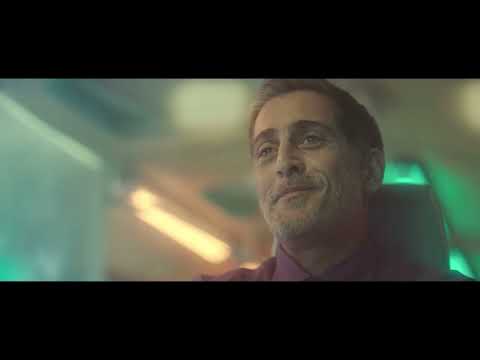
This ad works because it tackles the generational stereotype about technology head-on. Instead of ignoring the criticism that young people are 'zombies on their phones,' it validates the concern through its main character—a skeptical bus driver—and then systematically dismantles it by showing technology as a tool for creativity, learning, and connection. It’s a clever way to reframe the conversation and position the brand, Alta, as the thoughtful enabler of a 'smart generation,' not just a seller of gadgets.
Executive Summary
This commercial from Georgian electronics retailer Alta is a sharp piece of strategic communication that reframes the tired 'technology is making us antisocial' debate into a story of generational empowerment. Set against a moody, neon-lit cyberpunk backdrop, the ad uses a classic narrative device—an older skeptic's journey to understanding—to make its point.
The Core Insight: The ad is built on a simple, resonant human truth: older generations often view the younger generation's deep integration with technology through a lens of suspicion and misunderstanding. They see heads buried in screens and assume minds are empty. The insight is that this perception is wrong; what looks like distraction is often profound engagement in learning, creation, and connection.
The Execution (Misconception -> Revelation -> Reconciliation): The ad's structure is a textbook example of transforming a negative perception into a positive one.
- Setup (The Misconception): The first act establishes the conflict through the eyes of a middle-aged bus driver. His grumbling monologue—'They're always buried in these mobile phones... a zombified generation'—perfectly captures a common critique. The dark, futuristic setting amplifies this feeling of alienation.
- Turn (The Revelation): The narrative cleverly pivots. The camera moves from the driver's perspective to the passengers', revealing the reality behind the screens. One is learning a language, another is creating digital art, a third is coding, and others are gaming. The driver's internal monologue shifts from judgment to awe as he lists their productive activities: 'they're learning... developing... creating new things.' This is the crucial turn where the ad stops reflecting the stereotype and starts correcting it.
- Payoff (The Reconciliation): The driver's realization culminates in a warm smile and a direct address to the audience. He acknowledges the film is an ad but delivers the nuanced thesis: 'being without technology is no good, and neither is only looking out from behind technology.' This moment of reconciliation bridges the generational gap. Alta isn't just selling gadgets; it's championing a balanced, intelligent use of them. The tagline, 'Alta. Technology of the future for the smart generation,' serves as the final, confident stamp on this new understanding.
The Debrief: The effectiveness of this ad lies in its empathy. By starting with the skeptical viewpoint, it disarms cynical viewers and takes them on the same journey of discovery as the driver. It doesn't preach to the choir; it seeks to convert the doubters. This approach allows Alta to position itself not merely as a supplier of electronics, but as a facilitator of progress and a brand that understands the true value of its products in the hands of a new generation.
Theme Keywords
Brand Position
The thoughtful electronics retailer that champions the positive, world-changing potential of technology in the hands of the next generation.
Brand Archetype
The Sage
Creative Game Plan
Reframe the negative stereotype of screen-obsessed youth by revealing the productive and creative reality of their digital lives.
Diagnosis: Issues & Solutions
Primary Issue: Emotional Connection
The Problem:
The emotional journey belongs entirely to the driver. The 'smart generation' characters, while central to the theme, function more as evidence than as people. They are observed from a distance, which keeps the final reconciliation feeling slightly academic rather than deeply human.
The Solution:
Create a small, specific moment of interaction between the generations. For example, as a passenger creating art on a tablet gets off the bus, they could show their creation to the driver, who responds with a genuine, appreciative nod. This would transform the passengers from props into participants in the emotional resolution.
Secondary Issue: Clarity of "What's Next?"
The Problem:
A promotional offer of a 'smart ticket up to 500 GEL' is mentioned in a voiceover near the beginning, but it's completely detached from the powerful narrative that follows. It's a functional piece of information dropped into an emotional story, and is therefore easily forgotten.
The Solution:
Integrate the call-to-action into the story's conclusion. After the driver's epiphany, he could be shown handing one of the 'smart tickets' to a passenger, symbolizing his approval and the brand's role in enabling their journey. This would connect the promotion directly to the ad's core message.
Additional Notes
Related Links
Credits
Share this Analysis
More Alta ad breakdowns
- დამდეგ ახალ ტექნიკას! @ტვირთა შოთი არველაძემAlta
- Ready to fall in love with new Gadgets?Alta
- Rise and Shine, it’s rakhi time!boAt
- Attention Intelligence (A.I) ft. @Puravjha_ at boAt's Noida FactoryboAt
- Best of Mi on AmazonMi
- Amazon Great Indian Festival|Starts 23rd September 2022| Upto 70% Off on Electronics,Accessories ENAmazon India
- The USB Paradox | AppleApple
- O valor do cuidadoSamsung