Ray Charles | The Right One Baby, 1991 - Ad Analysis

AI Editor notes
Straight from the gut!!
“This is pure, uncut advertising joy. It's from an era when brands weren't afraid to just make something fun. There's no heavy-handed purpose, no QR code, just a legend having a blast. It’s got more charm in one 'Uh-huh!' than a hundred modern influencer campaigns. The fact that it didn't actually boost Diet Pepsi sales is the perfect advertising lesson: fame doesn't always equal fortune if the branding isn't laser-focused. [2, 5]”
Quick Summary
This ad cemented a catchphrase in the American lexicon by perfectly pairing a transcendent celebrity, Ray Charles, with an impossibly catchy jingle. It was a masterclass in creating cultural relevance and feel-good energy, making Diet Pepsi seem effortlessly cool. The strategy was so effective at building general brand love that its biggest flaw was that most people remembered the slogan and Ray Charles, but mistakenly attributed the ad to regular Pepsi, not Diet Pepsi. [5]
Executive Summary
The Diet Pepsi 'You Got the Right One, Baby' campaign is a textbook example of advertising as pure, unadulterated pop culture. Launched in the early 1990s, this work from BBDO wasn't just a commercial; it was a cultural event. Its genius lies in its simplicity and perfect casting. Instead of leaning on the typical diet soda tropes of calorie-counting or guilt-free indulgence, Pepsi opted for pure, infectious joy, personified by the one and only Ray Charles.
The Core Insight here is that choosing a soda isn't a rational decision; it's a feeling. The ad sidesteps logic entirely and taps into a universal human desire for things that just feel 'right.' It equates the crisp taste of a Diet Pepsi with the satisfaction of hearing a perfect song. Ray Charles, a figure of immense cultural authority and authenticity, acts as the ultimate validator. His blindness becomes a subtle but powerful subtext: he doesn't need to see that it's the right one; he can feel it, hear it, and taste it.
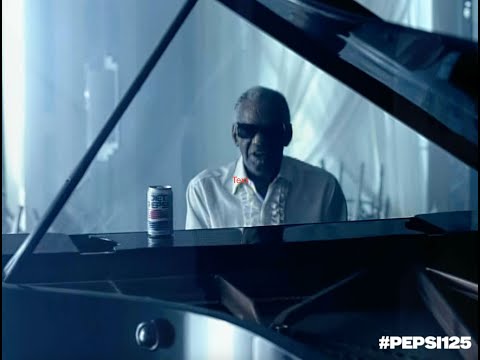
The Execution is a masterclass in the 'Lifestyle/Aspirational' creative style, structured as a high-energy musical performance. The setup is moody and intimate: Ray alone at the piano, establishing the core musical theme. The turn is the explosion of energy as the full band and the iconic 'Uh-Huh Girls' kick in, transforming the spot into a celebration. The payoff is the relentless repetition of the core slogan, drilled into the viewer's head through one of the catchiest jingles ever written. Every element, from the big band styling to the glamorous backup singers, is designed to build an overwhelming feeling of fun and confidence. The visuals are slick, echoing the music video aesthetic that Pepsi helped pioneer in the 80s and 90s.
The Debrief for the team that made this would be complex. On one hand, they created one of the most memorable and beloved campaigns of the decade, generating millions in free press and making 'Uh-huh' a national catchphrase. [1, 2] On the other, market data from the time showed the campaign failed to significantly grow Diet Pepsi's sales and, worse, that a majority of consumers thought the ad was for regular Pepsi. [5] The key lesson is a hard one: creative that wins awards and enters the cultural conversation can still fail at its primary business objective if the branding isn't specific and clear enough. The ad sold the spirit of Pepsi, but it didn't sell the can of Diet Pepsi.
Theme Keywords
Brand Position
Diet Pepsi is the choice that feels unequivocally right and fun.
Brand Archetype
Jester
Creative Game Plan
Associate the feeling of choosing Diet Pepsi with the undeniable, infectious joy of a Ray Charles performance.
Diagnosis: Issues & Solutions
Primary Issue: Strategic Sense
The Problem:
The campaign's biggest flaw was brand attribution. It created massive halo effect for the master Pepsi brand but failed to link that positive feeling specifically to Diet Pepsi, its intended subject. [5]
The Solution:
The creative needed a stronger, more explicit link to the 'diet' aspect without sacrificing the fun. This could have been a simple visual cue or a lyrical tweak that landed the 'diet' benefit more clearly, ensuring the halo didn't just float over to the flagship product.
Secondary Issue: Clarity of "What's Next?"
The Problem:
The ad makes you feel good but doesn't give you a compelling, immediate reason to act. It's all vibe, no nudge. The call to action is entirely implicit, relying on the viewer to connect the feeling of joy to their next purchase decision, which is a big leap.
The Solution:
A slightly stronger call to action could have been woven in. Even a simple end card like 'The right one, with one calorie' or 'Taste it to believe it' would have provided a concrete reason to follow through on the feeling the ad so expertly created.
Additional Notes
Related Links
Credits
Share this Analysis
More Pepsi ad breakdowns
- PEPSI_PTC_2022Pepsi
- Pepsi BBQ CrashersPepsi
- Pepsi_Music_Promo_UzPepsi
- Pepsi | Thirsty For MorePepsi
- That Is One Dirty Soda, Santa | PepsiPepsi
- Pepsi Football Nation: Rule #96 When Our Track Plays, We DancePepsi
- Pepsi CNY 2024: Finish the UnfinishedPepsi
- #SeMeAntojaGuate con Pepsi y Luisito Comunica 🇬🇹Pepsi