Pure Rush Soap | Leave the World a Little Cleaner | Lion :60 - Ad Analysis

AI Editor notes
Straight from the gut!!
“This feels like a classic DTC challenger play straight out of the 2010s playbook. It's trying so hard to be the 'cool,' funny alternative to Big Soap. The lion gag is decent, but the whole thing feels split—it starts as an absurd comedy sketch and then pivots hard into a boring, voiceover-driven explanation. The blue screen reveal at the end is a smart wink, but is it enough to save the disjointed middle? It screams 'We had two ideas and used both.'”
Quick Summary
Pure Rush is betting that self-aware, irreverent humor is the best way to sell an earnest, eco-friendly product to a millennial audience that is tired of being preached to by 'purpose-driven' brands. By making fun of the advertising process itself, they attempt to signal a level of transparency that mirrors their product's 'clean' ingredients.
Executive Summary
Pure Rush Soap’s “Lion” spot is a case study in the modern challenger brand’s dilemma: how to communicate earnest values without sounding preachy. The core insight is that the target consumer, likely a millennial skeptical of corporate greenwashing, responds better to humor and self-awareness than to somber, purpose-driven monologues. [1] The brand is betting that a joke is a better Trojan horse for its ethical message than a lecture.
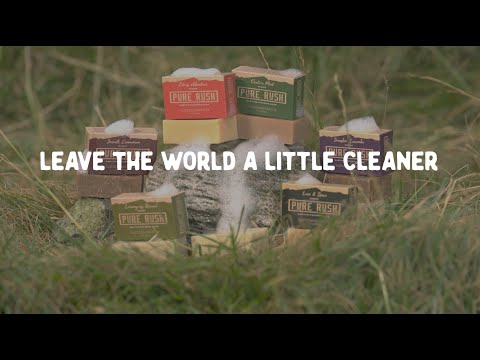
The execution uses a classic Setup-Turn-Payoff structure, but in two distinct movements. The setup is the absurdly casual man in the savanna, addressing the camera about 'corporate bar soaps' as a lion approaches. The turn is that the lion isn't a threat but an affectionate friend, proving the 'never tested on animals' point in a visually comedic way. This first part is effective, a solid piece of advertising comedy. However, the ad then abruptly shifts into its second movement: a generic, voice-over-led montage of stock animal footage that rattles off the product's other eco-credentials (cold-manufactured, proceeds donated). This section abandons the initial creative concept, trading sharp humor for dry exposition. The final payoff, revealing the blue-screen studio, is a clever wink that tries to bring back the self-aware tone from the beginning. It’s a smart bookend, but it can’t fully stitch the two disparate halves of the ad together. The result is an ad that feels like a strong, funny concept that gets bogged down by a committee's need to cram in every last product benefit.
The key debrief for the team is that while humor is an excellent tool for distinctiveness, tonal consistency is critical. The shift from the quirky, on-camera host to the anonymous, corporate-sounding voiceover creates a jarring disconnect. It breaks the rapport the ad worked to build. Future creative should trust its central comedic character to carry the entire message, rather than sidelining him for a less engaging, informational slog. The final blue-screen reveal shows the brand isn't afraid to be transparent; that same transparency should be applied to the delivery of its product benefits—let the funny guy deliver the facts, don't farm it out to a faceless narrator.
Theme Keywords
Brand Position
The eco-friendly, all-natural soap for people who want to do good without the guilt trip.
Brand Archetype
The Jester
Creative Game Plan
Use unexpected, self-aware humor to make our ethical and sustainable brand values feel approachable and memorable.
Diagnosis: Issues & Solutions
Primary Issue: Strategic Sense
The Problem:
The ad suffers from a jarring tonal shift, abandoning its clever, humorous premise halfway through for a generic, informational voiceover montage before returning to the joke at the very end. This disconnect breaks the narrative flow and dilutes the impact of the initial creative idea.
The Solution:
Maintain a consistent tone and narrative voice. Instead of switching to an anonymous narrator, the on-screen talent should have delivered all the product benefit points, integrating them into the comedic scenario with the lion.
Secondary Issue: Clarity of "What's Next?"
The Problem:
The ad lacks a clear and compelling call to action. It introduces the brand and its values but fails to direct the interested viewer on what to do next, such as visiting a website, looking for it in a specific store, or following on social media.
The Solution:
Incorporate a simple, direct call to action in the final frames. A simple URL on screen (e.g., 'PureRushSoap.com') with the tagline would give engaged viewers a clear next step.