Puma: Run Therapy - Ad Analysis

AI Editor notes
Straight from the gut!!
“This is a smart, soulful play from a challenger brand. Instead of trying to out-Nike Nike with epic athlete stories, Puma went for a quieter, more universal human truth: we run to get our heads straight. The 'street as therapist' metaphor is strong, almost poetic. My only hesitation is whether the branding is too subtle. It’s a beautiful film about running, but you might forget it’s a Puma ad seconds after it ends.”
Quick Summary
Puma sidesteps the category’s obsession with speed and winning by positioning running as a raw, accessible form of self-therapy. It cleverly personifies the city street as a tough-love therapist, reframing the physical grind of a run as a necessary psychological release and making the brand an ally in the runner's internal journey, not just their physical one.
Executive Summary
Puma's 'Run Therapy' is a measured and intelligent piece of brand building that opts for psychological depth over athletic spectacle. In a category dominated by the glorification of victory and superhuman performance, Puma carves out a different lane, focusing on the internal, therapeutic benefits of running. The work is a direct appeal to the everyday urban runner who uses the pavement not just to train their body, but to exorcise the demons of modern life.
The Core Insight: The simple, powerful truth at the heart of this ad is that for millions, running is not a sport—it's a sanctuary. It’s a free, accessible way to process stress, anxiety, and find mental clarity. By acknowledging this, Puma moves from being a supplier of gear to an empathetic partner in a deeply personal ritual. The brand understands that the toughest competitor is often not another runner, but the voice inside your own head.
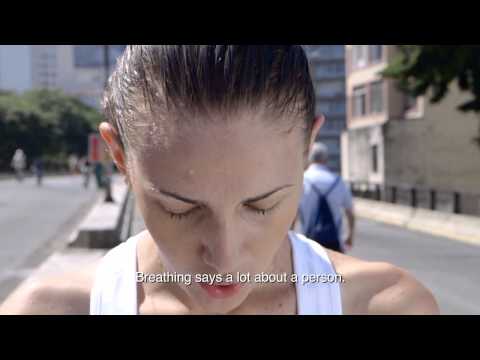
The Execution: The ad uses a classic Setup-Build-Payoff structure, framed as a therapy session. The setup personifies the street as a therapist, using a deep, philosophical voiceover and gritty visuals to establish a serious, introspective tone. The build is a montage of diverse runners, their physical effort directly linked to emotional struggle and release. We see pain, focus, and eventual catharsis. The use of 'real' people in an unglamorous urban setting grounds the concept in authenticity. The payoff is the direct reveal: 'I am the road. Your best therapy.' This line crystallizes the entire concept, followed by the #RUNTHERAPY hashtag and the Puma logo. The branding is intentionally held back, forcing the viewer to invest in the story first. This makes the final brand reveal feel earned, though it risks being missed by less attentive viewers.
The Debrief: The key lesson from 'Run Therapy' is the power of owning a niche emotional territory. While competitors focused on the finish line, Puma focused on the starting point of the inner struggle. This is a challenger brand strategy executed well: when you can't out-shout the leader, change the conversation. The creative team successfully translated a powerful human insight into a compelling narrative. The primary risk in this approach is the subtlety of the branding; the emotional impact might overshadow the brand attribution. It's a testament to the brand's confidence to let the story lead, but a valid question remains: will people remember the beautiful film, or will they remember it was for Puma?
Theme Keywords
Brand Position
Puma is the brand for the introspective runner, enabling the journey of self-discovery and mental catharsis through the act of running.
Brand Archetype
Sage/Caregiver
Creative Game Plan
Personify the street as a raw, honest therapist to position running as an essential tool for mental release.
Diagnosis: Issues & Solutions
Primary Issue: Brand Distinctiveness
The Problem:
The ad's greatest strength—its universal human insight—is also a potential weakness. The visual language of the 'gritty urban run' is so familiar within the sportswear category that without the voiceover, it could easily be an ad for Nike, Adidas, or New Balance. The Puma product is present but not pivotal to the narrative.
The Solution:
Integrate a brand-specific element earlier and more meaningfully. This doesn't have to be a logo flash, but perhaps a visual motif or a unique product feature that subtly ties the story back to Puma, ensuring the brand is the enabler of the therapy, not just the sponsor of the film.
Secondary Issue: Clarity of "What's Next?"
The Problem:
The campaign ends with a hashtag and a URL, which feels like a passive conclusion to a very active and emotional film. It places the burden on the viewer to continue the journey, without providing a clear, compelling reason to do so.
The Solution:
The call to action should have offered a tangible tool that extends the 'Run Therapy' concept. For example: 'Map your own therapy route' or 'Share the issue you ran through today.' This would convert passive viewers into active participants and extend the campaign's life beyond the video.
Additional Notes
Credits
Share this Analysis
More Puma ad breakdowns
- The New PUMAx1DER Collection ft. KL RahulPuma
- Play Loud and #CHOOSETRICKSPuma
- Save The Fight For The Game | PUMA x Delhi Capitals | ft. Rishabh Pant, Ishant Sharma, Yash DhullPuma
- PUMA. GO WILD.Puma
- MAN CITY x PUMA | Official Launch Film | THIS IS OUR CITY!Puma
- PUMA "Winterized" featuring NazhaPuma
- PUMA Street Legend With Liu WenPuma
- Asap Rocky meets Mostro. #PUMA #PUMAMostro #AsapRockyPuma